
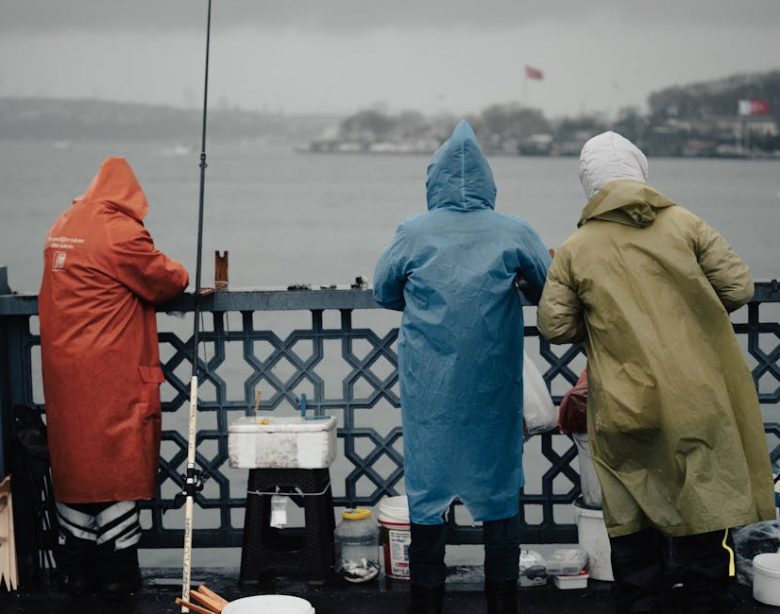
Staying truly dry in persistent rain requires more than just a water-resistant shell. A double layer raincoat provides the enhanced protection needed for serious wet weather, offering a critical barrier against moisture while managing internal condensation. Choosing the right one means understanding its construction, key features, and maintenance.
This guide breaks down what makes these jackets superior. You will learn about the different types of double-layer systems, how waterproofing technologies function, and the essential features that ensure comfort and longevity. Prioritizing the right material and construction is the single most important step in securing reliable protection.
What Defines a Double Layer Raincoat?
A double layer raincoat, at its core, refers to an outerwear piece where the waterproof membrane is directly bonded to the outer face fabric, and then protected by an internal lining. This construction differs from a simple coated fabric by integrating a distinct, high-performance membrane. This membrane is the heart of the jacket’s waterproofing and breathability, engineered with microscopic pores too small for liquid water to penetrate, but large enough for water vapor (sweat) to escape. Understanding the nuances of 2-layer, 2.5-layer, and 3-layer systems is crucial for selecting the right level of protection and comfort.
These layered systems provide a balance between durability, weight, and packability. Each layer plays a specific role: the outer face fabric provides abrasion resistance and a first line of defense against water with a Durable Water Repellent (DWR) finish; the membrane stops liquid water; and the inner layer protects the membrane while adding comfort against the skin.
Understanding 2-Layer Construction
The 2-layer system consists of an outer face fabric bonded to a waterproof/breathable membrane. Inside, a separate, free-hanging mesh or fabric liner is present. This inner liner protects the membrane from wear and tear, oils, and dirt from your skin, which can degrade its performance over time. It also adds a layer of comfort, preventing the clammy feel that can occur when a membrane touches bare skin. Jackets featuring technologies like Columbia’s Omni-Tech or some older Gore-Tex iterations often use a 2-layer design. The advantage here is typically a softer feel and often a lower price point compared to more complex constructions. However, the separate lining adds bulk and weight, and can sometimes catch on underlayers.
The Mechanics of 2.5-Layer Jackets
2.5-layer raincoats streamline the design by eliminating the full free-hanging liner. Instead, they feature an outer face fabric bonded to a waterproof/breathable membrane, with the ‘half’ layer being a thin, printed, or sprayed protective coating on the inside of the membrane. This coating acts as a barrier to protect the membrane from body oils and abrasion, without the bulk of a full liner. Brands like The North Face’s DryVent 2.5L or Marmot’s PreCip Eco jackets commonly use this construction. The primary benefits include reduced weight and increased packability, making them ideal for activities where space and weight are critical, such as backpacking or cycle commuting. The inner coating can sometimes feel slightly clammy against bare skin compared to a full fabric liner, but advancements continue to improve comfort.
Why 3-Layer Systems Offer Peak Performance
For the most demanding conditions and ultimate durability, the 3-layer system is the gold standard. Here, the outer face fabric, the waterproof/breathable membrane, and a robust inner backing fabric are all laminated together into a single, cohesive unit. This integrated construction offers exceptional durability, minimizing wear on the membrane from both external abrasion and internal friction. High-performance membranes like Gore-Tex Pro, eVent, or The North Face’s FutureLight are frequently found in 3-layer jackets. While these jackets are generally the most expensive, they provide superior protection, breathability, and longevity, making them suitable for mountaineering, serious trekking, and extended exposure to harsh weather. The integrated design reduces internal friction and allows for maximum freedom of movement, though the fabric can sometimes feel stiffer than 2-layer alternatives.
Key Waterproofing Technologies Compared

The effectiveness of any double-layer raincoat hinges on its waterproof and breathable membrane. While many brands develop their proprietary technologies, most fall into two main categories: ePTFE-based (expanded polytetrafluoroethylene) or PU-based (polyurethane). Each type has distinct characteristics regarding performance, durability, and cost. Understanding these differences helps in selecting a jacket tailored to specific needs and expected weather conditions.
For example, ePTFE membranes, famously pioneered by Gore-Tex, are renowned for their high breathability and reliable waterproofing. They feature an intricate network of microscopic pores. PU membranes, on the other hand, often offer a more flexible and slightly more affordable option, with waterproofing achieved through a solid, non-porous film or a microporous structure. Both technologies aim to achieve a balance between keeping rain out and allowing sweat to escape, but their methods and resulting performance metrics differ.
| Technology Type | Primary Material | Typical Hydrostatic Head (MM) | Typical MVTR (g/m²/24hr) | Key Characteristics |
|---|---|---|---|---|
| ePTFE (e.g., Gore-Tex, eVent) | Expanded PTFE | 28,000+ | 15,000 – 30,000+ | Excellent breathability, very durable, premium cost. Micro-porous structure. |
| PU (e.g., DryVent, Omni-Tech, Pertex Shield) | Polyurethane | 10,000 – 20,000 | 5,000 – 15,000 | Good waterproofing, more flexible, often lower cost. Can be microporous or non-porous. |
Hydrostatic Head Ratings Explained
The hydrostatic head rating measures a fabric’s waterproofness. It quantifies the height of a column of water (in millimeters) that the fabric can withstand before water begins to seep through. A rating of 10,000mm is considered a good benchmark for general waterproofness, suitable for moderate rain. For heavy, prolonged downpours or snow, a rating of 20,000mm or higher, common in membranes like Gore-Tex Pro, provides superior protection. This measurement is crucial because a higher hydrostatic head indicates a greater ability to resist water pressure, which becomes important when sitting on wet surfaces or under the constant force of strong winds and rain.
Moisture Vapor Transmission Rate (MVTR) Basics
MVTR, or Moisture Vapor Transmission Rate, quantifies a fabric’s breathability. It measures how much water vapor (sweat) can pass through a square meter of fabric in 24 hours, typically expressed in grams per square meter per 24 hours (g/m²/24hr). A higher MVTR indicates better breathability. For light activities, an MVTR of 5,000-10,000 g/m²/24hr might suffice. However, for high-exertion activities like hiking or running, an MVTR of 15,000 g/m²/24hr or more is preferable to prevent internal condensation and maintain comfort. Without good breathability, even the most waterproof jacket will leave you feeling wet from your own perspiration.
Essential Features for Optimal Protection
Beyond the core membrane technology, several design features significantly impact a double-layer raincoat’s effectiveness and user experience. Overlooking these details can compromise your protection and comfort, even if the primary fabric is top-tier. These elements work in concert to seal out water, enhance fit, and manage internal climate. Focus on these specifics when evaluating options.
From the hood to the hem, every component plays a role in creating a truly waterproof and functional garment. Small details often distinguish a merely functional raincoat from one that performs reliably in challenging conditions. Investing time to understand these features ensures you get the most out of your purchase.
Seam Taping vs. Welding: What to Look For
Even the most waterproof fabric is useless if water can leak through the seams where fabric panels are joined. **Seam taping** involves applying a waterproof tape over the stitched seams on the inside of the jacket, effectively sealing the tiny needle holes created during stitching. Most quality double-layer raincoats feature factory seam taping. **Seam welding**, on the other hand, joins fabric panels using heat or ultrasonic waves, creating a bond without stitching. This results in a flatter, lighter, and often more durable seam, as there are no needle holes to seal. While less common in mass production due to complexity, welded seams represent the pinnacle of waterproof construction, often found in high-end technical shells like those from Arc’teryx.
Zipper Types and Their Water Resistance
Zippers are common entry points for water. A reliable double-layer raincoat will feature highly water-resistant zippers. Look for **AquaGuard or YKK VT10 zippers**, which use a polyurethane lamination to prevent water ingress. These are often described as ‘water-resistant’ or ‘water-repellent’ zippers. For critical protection, a storm flap behind or over the main zipper provides an additional barrier, catching any water that might bypass the zipper teeth. Pit zips, designed for ventilation, should also employ similar water-resistant designs to avoid compromising the jacket’s integrity. Ensure all zippers operate smoothly, even with gloves, as struggle can lead to wear and tear.
Hood Design and Adjustability
A well-designed hood is non-negotiable for rain protection. It should be fully adjustable with drawcords at the front (to cinch around the face) and the back (to adjust volume and keep it from falling over your eyes). A stiffened or wired brim provides crucial protection from rain dripping onto your face and helps the hood maintain its shape in wind. Helmets compatibility is a consideration if you plan to wear it over a climbing or cycling helmet. Look for hoods that offer good peripheral vision when adjusted, as restricted vision can be a safety hazard.
Durability Versus Weight: Making the Right Choice

Prioritizing **denier count is critical for longevity**, even if it adds a few ounces. The face fabric of a double-layer raincoat is its first line of defense against abrasion, tears, and general wear. While lighter jackets offer appeal for packability and reduced burden, they often come at the expense of durability. A jacket with a higher denier outer fabric will simply last longer, especially if you anticipate contact with rough surfaces, backpack straps, or frequent use in challenging environments. The trade-off between weight and durability is a fundamental decision when selecting a technical raincoat.
For instance, a 20-denier jacket might be incredibly light and packable, perfect for emergency use or ultralight backpacking. However, if you plan on bushwhacking or wearing a heavy pack, a 40-denier or even 70-denier fabric will offer far superior resistance to damage. This doesn’t mean you must always choose the heaviest option, but you must align the jacket’s intended use with its fabric strength. A balanced approach often involves reinforced areas on an otherwise lighter shell.
Decoding Fabric Denier
Denier (D) is a unit of measurement for the linear mass density of fibers. Simply put, it indicates the thickness and weight of the yarn used in the fabric. A higher denier number signifies a thicker, stronger, and more abrasion-resistant fabric. For example, a 20D fabric is much lighter and less durable than a 70D fabric. Typical values range from as low as 10D for ultra-light emergency shells to over 150D for heavy-duty expedition parkas. For general hiking and everyday use, a denier count between 30D and 50D often strikes a good balance between weight, packability, and robust performance against snags and rubs. Always check the denier specification, usually listed on the product tag or website, to gauge its likely lifespan.
Reinforcement Strategies for High-Wear Areas
Even lighter raincoats can achieve enhanced durability through strategic reinforcement. Manufacturers often use heavier denier fabrics (e.g., 70D or 100D) in areas prone to abrasion, such as the shoulders, elbows, and hips. These are the points that typically bear the brunt of backpack straps, rock contact, or other friction. Look for jackets that explicitly mention such differential fabric weights or visible paneling of stronger materials. This design approach allows the rest of the jacket to remain lighter and more flexible, while critical zones are protected against premature wear. This method is particularly effective in high-performance shells from brands like Patagonia or Helly Hansen, which balance performance with practical longevity.
Maintaining Your Double Layer Raincoat
Proper care is essential for maintaining the performance of your double-layer raincoat. Neglecting maintenance can lead to decreased waterproofing, reduced breathability, and a shortened lifespan for your expensive gear. The DWR finish, in particular, requires regular attention to ensure water beads off the fabric, preventing saturation and allowing the underlying membrane to breathe effectively.
Many users avoid washing their raincoats out of fear of damaging them, but regular cleaning is crucial. Dirt, body oils, and residues from sunscreen or insect repellent can clog the membrane’s pores and compromise the DWR. Follow specific care instructions provided by the manufacturer, as different membrane types and face fabrics may have unique requirements. Generally, gentle washing with specialized products is key.
How often should I wash my raincoat?
Wash your raincoat when it looks dirty, feels clammy, or when water no longer beads off the outer fabric effectively. For frequent users (e.g., weekly hikes), washing every 10-12 uses or once a month during active periods is a good rule of thumb. For occasional users, washing once or twice a season may suffice. Always use a technical wash specifically designed for waterproof breathable fabrics, such as Nikwax Tech Wash or Grangers Performance Wash. These detergents clean without leaving residues that can impair DWR or clog membrane pores. Avoid conventional laundry detergents, fabric softeners, and bleach at all costs.
What is DWR and how do I reapply it?
DWR stands for Durable Water Repellent. It’s a chemical finish applied to the outer face fabric that causes water to bead up and roll off, preventing the fabric from becoming saturated (wetting out). When your jacket starts to absorb water instead of shedding it, the DWR needs reapplication. First, wash the jacket thoroughly. Then, apply a DWR restoration product, either a wash-in treatment (like Nikwax TX.Direct Wash-In) or a spray-on treatment (like Grangers Performance Repel Plus). For wash-in products, follow the bottle’s instructions carefully. For spray-on products, apply evenly to a damp, clean jacket, focusing on high-wear areas. Heat activation, often by tumble drying on a low setting, is frequently required for optimal DWR bonding, but always check garment care tags first.
Can I tumble dry a waterproof jacket?
Many waterproof jackets can be tumble dried on a low or medium heat setting. In fact, gentle heat often helps to reactivate the DWR finish, even if no new DWR product has been applied. However, always consult the care label inside your specific jacket. High heat can damage the waterproof membrane or the bonded laminates, leading to delamination or reduced performance. If the label advises against tumble drying, or if you’re unsure, air dry the jacket on a hanger in a well-ventilated area. Once dry, you can gently iron the outer fabric on a very low, no-steam setting, placing a towel between the iron and the fabric, to help reactivate the DWR if the care label permits.
Quick Verdict: When is a Double Layer Necessary?

A double layer raincoat is essential when consistent, heavy rain and active use are expected. For serious outdoor pursuits or daily commuting in wet climates, the enhanced protection and breathability outweigh the simpler, less robust single-layer options. If staying dry and comfortable through persistent downpours is your top priority, choose a double layer system.