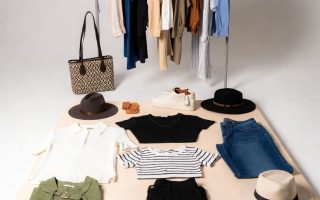
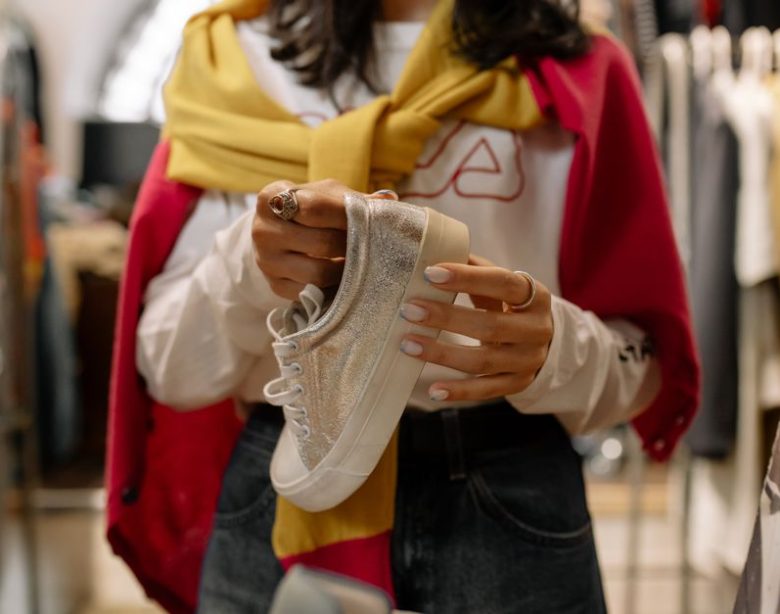
You walk into a thrift store in Abu Dhabi for the first time. The racks are packed. Shirts are jammed together so tight you can barely slide a hanger sideways. Nothing is organized by size. You pull out a blazer — the shoulder pads belong to a different decade. You put it back. Twenty minutes later, you leave empty-handed and slightly annoyed.
That experience is common. But it does not have to be yours. The second hand clothing scene in Abu Dhabi has grown faster in the last three years than most people realize. The problem is that the good stuff is scattered across physical stores, Instagram accounts, and pop-up markets. You need a map.
This article gives you that map. No fluff. No generic advice about “thrifting tips.” Just specific stores, specific platforms, and specific strategies that work in Abu Dhabi right now.
Why Abu Dhabi’s Second Hand Market Is Different from Dubai’s
Dubai has a louder thrift scene. More pop-ups, more Instagram resellers, more hype. Abu Dhabi is quieter, but the quality per item is often higher. Why? Two reasons.
First, less competition. Fewer people are hunting for vintage pieces in Abu Dhabi. The same Zara blazer that gets snapped up in ten minutes at a Dubai flea market might sit on a rack in Abu Dhabi for two days. That gives you time to inspect stitching, check fabric composition, and decide whether it actually fits your wardrobe.
Second, different donor base. A significant portion of second hand clothing in Abu Dhabi comes from expatriate families who rotate out every few years. When a family moves back to Europe or North America, they often sell entire wardrobes — including designer pieces — at prices that make no sense to the original buyer. A Max Mara coat for 150 AED. A pair of nearly unworn Ecco loafers for 80 AED. These deals exist because the seller wants the items gone before the shipping container arrives.
The tradeoff is that Abu Dhabi has fewer dedicated thrift stores than Dubai. You cannot walk down a single street and hit five shops. You have to know where to go.
The Three Types of Sellers You Will Encounter
Understanding who you are buying from changes how you evaluate price and quality.
- Charity-based thrift stores — run by organizations like the Red Crescent or local churches. Prices are low (10–50 AED). Inventory is donated. Quality varies wildly. Best for basics and home textiles.
- Curated vintage shops — small storefronts or Instagram shops where someone has already filtered the junk. Prices range from 80–400 AED. Best for statement pieces and designer labels.
- Individual resellers — people selling their own closets via Dubizzle, Facebook Marketplace, or Telegram groups. Prices are negotiable. Best for brand-specific hauls.
The Best Physical Stores in Abu Dhabi Right Now
These are the locations worth driving to. I visited each one in the last six weeks. The rankings reflect consistency of inventory, pricing fairness, and how easy it is to find something wearable.
| Store Name | Location | Price Range | Best For | Consistency Rating (out of 5) |
|---|---|---|---|---|
| Retold | Al Bateen | 40–250 AED | Curated women’s clothing, accessories | 4.5 |
| The Giving Shop | Al Mushrif | 10–80 AED | Basics, childrenswear, home goods | 3.5 |
| Thrift for Good | Al Raha Beach | 25–150 AED | Branded sportswear, casual wear | 4.0 |
| Salvation Army Thrift Store | Mussafah | 5–50 AED | Bulk buys, menswear, furniture | 2.5 |
| Vintage Souq (pop-up) | Various locations | 50–500 AED | Designer pieces, rare finds | 3.0 (varies by event) |
Retold is the clear winner for women who want curated second hand clothes. The owner sorts every donation by hand. Stains and tears are removed before items hit the floor. The fitting rooms are clean. You will pay more than at a charity shop — a Zara dress might be 120 AED instead of 30 AED — but you save time because the junk has already been filtered out.
Thrift for Good is the spot for sportswear. Nike, Adidas, Lululemon — these brands show up regularly. The store donates proceeds to children’s education programs, which makes the purchase feel better. Check the elastic on leggings before buying. Stretched waistbands are common.
Salvation Army in Mussafah is not for beginners. The store is large, dusty, and poorly lit. But if you are willing to dig for an hour, you can find incredible deals. I found a Brooks Brothers cotton blazer for 25 AED. The buttons were intact. The lining was clean. That is the exception, not the rule. Go there only if you have patience and hand sanitizer.
Online Platforms Where Abu Dhabi Sellers Actually Post
Physical stores are limited. The real volume of second hand clothes in Abu Dhabi moves online. These three platforms have the highest density of active sellers in the city.
Dubizzle — Still the King
Dubizzle remains the most active classifieds site in the UAE. For second hand clothing, search by brand name rather than generic terms like “dress” or “shirt.” Searching “Mango size M” or “Zara blazer” returns better results because sellers title their listings poorly. Filter by location — set it to Abu Dhabi only. Negotiate. Most sellers expect offers 20–30% below the listed price.
Telegram Groups — The Hidden Layer
Telegram has become the preferred platform for expat women selling clothing in Abu Dhabi. Groups like “Abu Dhabi Pre-Loved Fashion” and “UAE Second Hand Wardrobe” have thousands of members. Sellers post photos directly in the chat. Payment is via bank transfer or cash on pickup. The groups are private — search for them on Google or ask in Facebook community groups for an invite link.
The advantage of Telegram over Dubizzle is speed. A good listing sells within hours. The disadvantage is that there is no buyer protection. Meet in public places. Inspect items before paying.
Instagram Resellers — Curated but Pricier
Several Abu Dhabi-based Instagram accounts now operate as full-time vintage resellers. They source from estate sales, charity shops, and direct donations. The curation is excellent. The prices reflect that curation — expect to pay 150–400 AED for a single piece. Accounts like @thrift.ae and @secondhandstyle.ae post new inventory weekly. DM to reserve items. Pickup is usually in Khalifa City or Yas Island.
What Not to Buy Second Hand in Abu Dhabi — and Why
Not everything is worth buying used. The climate and lifestyle in Abu Dhabi create specific failure modes for second hand clothing. Here is what to skip.
Fast fashion polyester dresses. The heat and humidity in Abu Dhabi degrade synthetic fibers faster than in cooler climates. A polyester dress from H&M that has been through three summers will have pilling under the arms, faded color, and a strange smell that dry cleaning cannot remove. Skip it unless the item is nearly new.
Leather shoes without a visible sole stamp. Many second hand shoes in Abu Dhabi come from people who walked extensively on marble floors and hot pavement. The upper might look fine, but the sole could be worn down unevenly. Flip the shoe over. If the tread pattern is gone or the heel is angled, do not buy. Resoling costs 80–150 AED in Abu Dhabi — that often exceeds the value of the shoe.
White cotton tops with yellow underarm stains. This is the most common defect in Abu Dhabi’s second hand market. Deodorant stains combined with sweat and heat create permanent yellowing that bleach cannot fully remove. Look at the armpit area of every white shirt before buying. If you see discoloration, put it back.
Formalwear that needs dry cleaning. Abu Dhabi has few reliable dry cleaners for delicate fabrics. A silk dress that requires professional cleaning will cost you 40–60 AED per visit. If the dress itself costs 50 AED, the economics do not work. Stick to machine-washable fabrics unless you already have a dry cleaner you trust.
How to Inspect Second Hand Clothing Like a Pro in Abu Dhabi
Most people check the size tag and the color. That is not enough. Here is the five-point inspection that takes 60 seconds per item.
1. The neckline stretch test. Pull the collar gently outward. If the fabric does not snap back to its original shape, the garment has been stretched out by repeated wear or improper hanging. This is especially common on cotton t-shirts and knitwear. A stretched neckline cannot be fixed.
2. The underarm sniff test. You cannot smell through a screen, but in person you can. Hold the underarm area to your nose. If you detect deodorant residue, mildew, or sour sweat, the smell is probably permanent. Do not buy it thinking you can wash it out. You cannot.
3. The seam pull test. Gently tug the seams at the shoulders and sides. If you see gaps between the stitches or feel the thread giving way, the garment will split within three wears. This is common on fast fashion items that were sewn with low thread count.
4. The zipper slide test. Zip and unzip every zipper three times. Stuck zippers on dresses and jackets are the most common reason people donate clothing. If the zipper catches even once, assume it will fail completely. Replacing a zipper costs 60–120 AED in Abu Dhabi.
5. The light test for sheerness. Hold the garment up to a light source. If you can see your hand clearly through the fabric, the item is too thin for practical wear. This applies to white blouses, summer dresses, and linen pants. Sheer fabric that has already been washed multiple times will become more transparent, not less.
One final note: do not buy second hand underwear, swimwear, or activewear that shows signs of heavy use. The elastic in these items degrades quickly in Abu Dhabi’s heat. A sports bra that has lost its compression is just a piece of fabric with straps. It will not support you during a workout.
The second hand clothing market in Abu Dhabi is still maturing. Inventory quality varies by season — the best time to shop is between April and June, when families are preparing for summer moves and clearing out closets. The worst time is December, when holiday visitors buy up the good pieces. Plan your trips accordingly, inspect every item before buying, and you will build a wardrobe that cost a fraction of retail without looking like you tried.