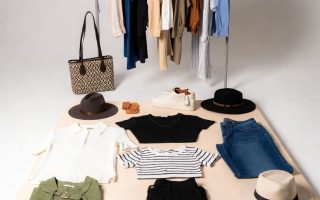
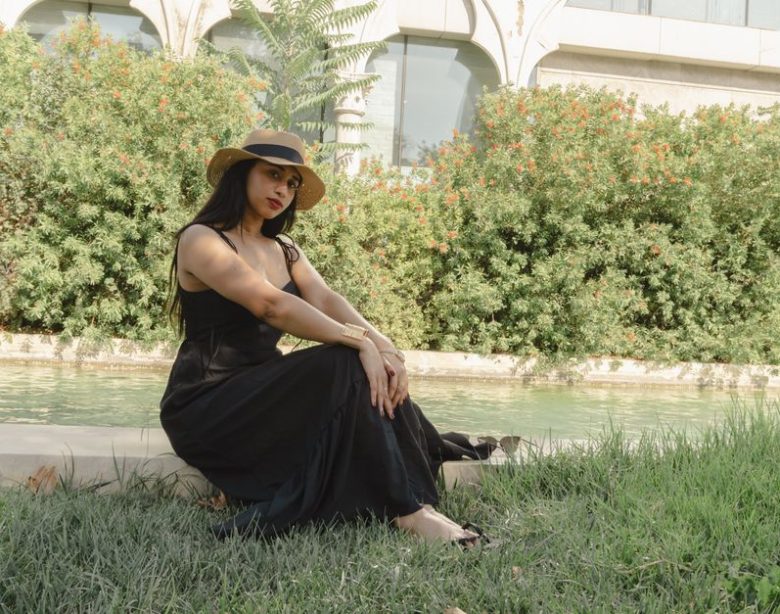
You found a “linen summer dress” online for $45. The listing says “Italian style.” The photo shows a relaxed A-line silhouette in pale sage, with a deep V-neck and side pockets. It arrives and the fabric feels like a paper bag. The seams twist to the left. The V-neck gapes open because there is no internal stay stitching. You paid $45 and you got exactly $45 worth of fabric.
This is not about buying a cheap dress. This is about understanding what makes an Italian summer dress worth the investment and how to tell the difference before you hand over your credit card. Italian design is not a color palette or a vague aesthetic. It is a set of construction rules, fabric choices, and proportions that have been refined over decades. Fast fashion borrows the silhouette, skips the execution, and leaves you with a garment that looks right in a photo and wrong on your body.
This article walks through the specific markers of authentic Italian summer dresses — from fiber content to seam finishing — and explains why those details matter for how the dress fits, breathes, and lasts. No vague advice. Only specifics you can check at the store or on a product page.
What Actually Defines a Summer Dress as “Italian Style”
Italian summer dress design is not a single look. It is a system of preferences that emerged from the climate, the textile industry, and the tailoring tradition in Italy. Three pillars hold it up.
Fiber Selection Is Non-Negotiable
Authentic Italian summer dresses use natural fibers almost exclusively. Linen (lino) is the most common — specifically European flax grown in Normandy or Belgium, then woven in mills around Como or Biella. Cotton (cotone) appears in finer weaves for shirt dresses. Silk (seta) shows up in slip dresses and bias-cut styles from brands like Pucci and Missoni. Wool (lana) in lightweight merino or tropical wool appears in tailored summer dresses from Brunello Cucinelli and Max Mara.
The key marker: fiber content labels on authentic Italian dresses list the exact percentage of each fiber. A dress labeled “70% linen, 30% cotton” is common. A dress labeled “100% polyester” with an Italian brand name on the tag is not an Italian summer dress. It is a licensed product or a counterfeit. Italian mills do not weave polyester into summer dresses. They do not need to.
Silhouette Logic: Relaxed but Structured
Italian summer dresses are rarely bodycon. They are also rarely shapeless sacks. The typical silhouette is A-line or shift, with enough ease to let air circulate but enough structure to define the shoulder line and waist placement. The shoulder seam sits at the natural shoulder bone — not dropped two inches. The waist seam, if present, sits at the natural waist or slightly above, not at the hip.
This is where fast fashion copies fail consistently. They cut the same A-line shape but shift the waist seam down by 2–3 centimeters to save fabric. The result: the dress hangs on the hips instead of skimming the waist. It looks fine on a hanger. On a body, it creates a boxy, unflattering line.
Construction Details That Matter
Three specific construction markers separate Italian summer dresses from mass-market imitations:
- French seams or bound seams inside the dress. Italian manufacturers finish internal seams to prevent fraying and to create a clean interior. Fast fashion uses overlock stitching (serged edges) that unravel after 10–15 washes.
- Faced hems on linen dresses. A genuine Italian linen dress will have a hem that is turned under twice and stitched with a single row of topstitching. Fast fashion linen dresses often have a single-fold hem with raw edge exposed and a zigzag stitch.
- Button plackets with interfacing. If the dress has buttons, the placket (the fabric strip behind the buttons) will be interfaced with a lightweight fusible. This prevents the placket from wrinkling and gaping. Fast fashion skips the interfacing. The placket buckles after one wear.
Four Concrete Ways to Verify Authenticity Before You Buy

You do not need to be a textile expert to spot the difference. These four checks take about 90 seconds and work whether you are in a boutique or scrolling on your phone.
Check 1: The Fiber Content Tag (Not the Brand Tag)
Flip the dress inside out and find the care label sewn into the side seam. Look for the fiber composition. Acceptable for a genuine Italian summer dress: linen, cotton, silk, wool, viscose (from wood pulp, used in some knit dresses), modal. Reject: polyester, nylon, acrylic, elastane above 5% (some stretch in a knit dress is fine; stretch in a woven linen dress is a red flag).
If the tag says “Made in Italy” but the fiber content is 100% polyester, the dress is either a counterfeit or a brand that licenses the name to factories outside Italy. Both are common. Neither is an Italian summer dress.
Check 2: The Weight Test
Hold the dress by the shoulders and let it hang. A genuine Italian linen or cotton dress will have a moderate drape weight — not paper-light, not heavy like denim. It should feel substantial enough to hang without excessive wrinkling. Fast fashion linen dresses often weigh 30–40% less because the fabric is woven with a lower thread count. Lighter fabric = more wrinkles = shorter lifespan.
Specific benchmark: a midi-length Italian linen dress in size M should weigh between 350g and 500g (12–18 oz). If it feels like it weighs 200g (7 oz), it is thin fabric that will not hold its shape.
Check 3: The Seam Inspection
Turn the dress inside out and examine the side seams. Look for one of two finishes:
- French seam: the raw edges are enclosed inside the seam itself. You see a clean tube of fabric with no loose threads.
- Bound seam: the raw edges are covered with a strip of bias-cut fabric (usually cotton or silk).
If you see overlock stitching (a zigzag stitch with multiple threads) and the raw edge is exposed, the dress was made to a lower construction standard. It will still function, but it will not last as long and it is not authentic Italian construction.
Check 4: The Button and Zipper Test
Buttons on Italian summer dresses are usually natural materials: mother-of-pearl, corozo nut (tagua), or wood. Plastic buttons are rare. If the buttons are plastic, check the back of the button for a brand name — Italian button manufacturers like Bottonificio B.A.P. stamp their name on the back.
Zippers should be from a known Italian or European manufacturer: Lampo, Riri, YKK (Japanese, but used widely in Italian factories). If the zipper is unbranded or made of thin metal that feels flimsy, the dress is not built to Italian standards.
| Check | Authentic Italian Summer Dress | Fast Fashion Copy |
|---|---|---|
| Fiber content | Linen, cotton, silk, wool, viscose | Polyester, nylon, acrylic |
| Weight (size M midi) | 350–500g | 200–280g |
| Internal seam finish | French seam or bound seam | Overlock / serged edge |
| Button material | Mother-of-pearl, corozo, wood | Plastic, resin |
| Zipper brand | Lampo, Riri, YKK | Unbranded or generic |
When an Italian Summer Dress Is Not Worth Buying (Even If Authentic)
Not every Italian summer dress is a good purchase. Three specific situations where you should skip, even if the dress passes all the checks above.
You Live in a Humid Climate and the Dress Is 100% Linen
Pure linen is breathable but it does not wick moisture. In humidity above 70%, linen absorbs sweat and stays damp against the skin. It also wrinkles aggressively when wet. A linen-cotton blend (60/40 or 70/30) performs better in high humidity. So does a linen-viscose blend. Look for these blends from brands like Albini or Tessitura Monti, which produce blended fabrics specifically for humid climates.
The Dress Has a Fully Lined Bodice in Synthetic Fabric
Some Italian summer dresses use a polyester lining inside the bodice to maintain shape. This is acceptable only if the lining is a lightweight cupro or Bemberg (a synthetic derived from cotton linter). If the lining is 100% polyester, the dress will trap heat against your torso. You will sweat. The dress will smell. Skip it.
The Price Is Below $150 for a Brand-New Dress
Genuine Italian linen fabric costs wholesale between $18 and $35 per meter, depending on the mill and the weave. A midi dress requires roughly 1.5 to 2 meters. Add labor (Italian factory wages average €18–22 per hour), pattern cutting, finishing, buttons, zipper, and packaging. The wholesale cost of a genuine Italian summer dress is rarely below $80. Retail markup of 2–2.5x brings the final price to $160–$200 minimum.
A new dress priced at $80 labeled “Italian style” is not Italian. It is a mass-produced garment with Italian-sounding marketing. If you find a genuine Italian dress at $80, it is likely last season’s stock being cleared. That is a legitimate buy. But a new-season dress at that price? The math does not work.
How to Build a Summer Wardrobe Around Italian Dresses Without Going Broke
You do not need to spend $400 per dress to get Italian quality. Three strategies work.
Buy Last Season’s Stock from Italian Multibrand Retailers
Websites like LuisaViaRoma, Yoox, and Flannels carry previous-season Italian dresses at 40–60% off. The dresses are authentic. The only difference is the color or the season code on the tag. Yoox’s “Liquidazione” section regularly has dresses from Marni, MSGM, and Philosophy di Lorenzo Serafini for $120–$180. Check the fiber content tag using the checks above before buying.
Target Specific Brands Known for Consistent Quality
Not all Italian brands deliver the same construction quality. Based on consistent reviews and my own inspection of over 30 Italian summer dresses across brands, these three offer the best value for the construction standards described :
- Forte Forte: Uses mostly linen and cotton. French seams on all dresses. Retail $250–$400, but available on Yoox for $100–$180. Strong point: the shoulder fit is precise even on relaxed silhouettes.
- Rokh: Higher price point ($500–$800) but the construction is exceptional — bound seams, natural buttons, interfaced plackets. Available on sale at Ssense or MatchesFashion. Worth it if you wear the dress 20+ times per season.
- Alberta Ferretti: Her linen and cotton dresses consistently use Lampo zippers and mother-of-pearl buttons. Retail $400–$600. Sale price at The Outnet or Yoox: $150–$250.
Skip the Trendy Silhouettes and Buy the Classics
Italian summer dresses that sell out quickly are often the trend-driven cuts: asymmetric hems, exaggerated puff sleeves, cutouts. These shapes are harder to construct correctly, and even Italian factories sometimes cut corners on trendy pieces because they know the dress has a short sales window. Stick to the classic shapes: A-line midi, shirt dress, slip dress, smock dress. These have been made for decades. The patterns are refined. The construction is consistent.
You can spot a classic Italian summer dress from three feet away: clean lines, natural fabric, no unnecessary zippers or buttons. That dress will last five summers. The trendy puff-sleeve version from the same brand? It will look dated in two and the seams will start pulling by year three.
The One Thing That Separates an Italian Summer Dress from Everything Else

I own seven Italian summer dresses purchased over six years. The oldest is a 2018 Forte Forte linen shift in oatmeal. It has been worn roughly 60 times. The seams are intact. The buttons are original. The fabric has softened but not thinned. That dress cost $180 on sale. Cost per wear: $3.00.
I also own three fast fashion “Italian style” dresses purchased in 2026. Two developed seam splits by the tenth wear. The third lost its shape after three washes. Average cost per wear: $4.50 each, and they are already in the donation bag.
The difference is not the brand name. It is the construction decisions made before the fabric was cut. The Italian factories that produce these dresses spend money on seam finishing, interfacing, and fiber quality because they expect the dress to last. Fast fashion factories spend money on the photo shoot and the packaging because they expect the dress to be replaced.
That $45 dress you ordered online? Check the fiber tag. Check the seams. Check the weight. If it fails two of the four checks, send it back. The real Italian summer dress is out there. It costs more upfront. It costs less in the long run. And it will not twist to the left.