
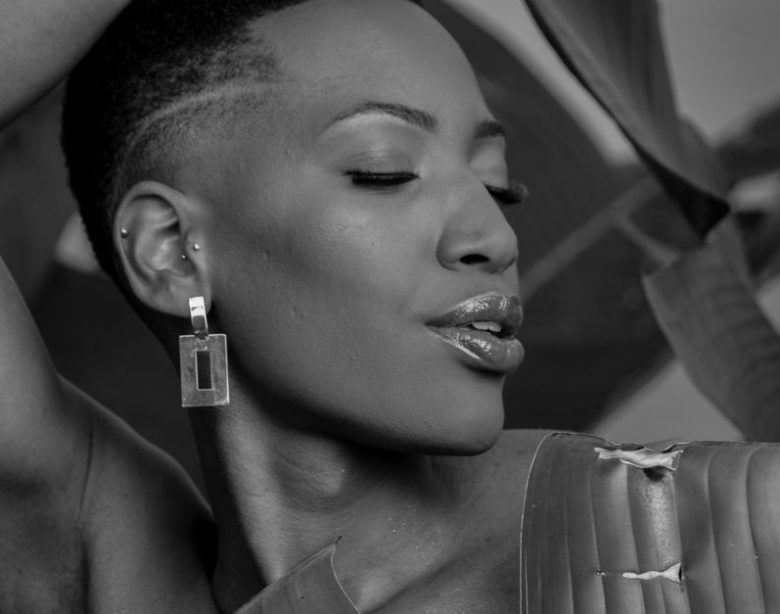
You find a dramatic pair online, put it on, and the result looks heavier than it did on the model. The problem may not be the earring. Its length, width, and position may be fighting your face shape instead of balancing it.
Statement earrings work by changing the visual outline around the face. Long drops pull the eye downward. Wide hoops add horizontal emphasis. Angular designs sharpen soft features, while rounded designs soften strong angles. The right pair should support your natural proportions, not hide them.
Why Face Shape Changes Earring Balance
Think in lines, not strict categories
Face-shape advice works best as a proportion guide, not a rigid identity test. Most faces combine two or more shapes. You may have a rounded jaw with a longer forehead, or a square lower face with slightly oval proportions. That is normal. The useful question is not “Which single shape am I?” but “Where do I want the earring to add length, width, softness, or structure?”
Start with the three visual lines that matter most: the width of your cheekbones, the length from your hairline to your chin, and the shape of your jaw. A round face often benefits from a longer vertical line. A long or oblong face may look more balanced with width near the cheekbone. A square face can take rounded movement, while a heart-shaped face often needs weight near the chin to balance a wider upper face.
The visual effect of size and geometry
Earring size changes more than scale. A 2.5-inch narrow drop creates vertical length without adding much width. A 1.5-inch wide hoop creates a strong horizontal line, even though it may be shorter. A sculptural triangle points attention toward one area of the face; a circle spreads attention around its full outline.
Color also affects perceived weight. Black, dark tortoiseshell, and dense metal look visually heavier than pale enamel, clear crystal, or open wire. Large earrings with empty space can appear lighter than small solid studs. Use that difference when you want impact without making the lower half of the face look crowded.
Balance is the goal, not disguise
The best pair does not make a round face look long or a square face look narrow at every angle. It creates a pleasing relationship between the earring, cheek, jaw, hair, and neckline. Your personal style still matters. If you love oversized geometric earrings, you can wear them with any face shape; you simply get a better result when you control their direction and visual weight.
Which Statement Earring Shapes Suit Each Face Shape?

Use the table as a starting point. The measurements are practical first-fit ranges, not rules. Measure the drop from the piercing to the lowest point of the earring, and measure the width across its broadest section.
| Face proportion | Main styling goal | Useful earring shapes | Starting size | Common mismatch |
|---|---|---|---|---|
| Round | Add a longer, cleaner outline | Narrow drops, linear earrings, elongated ovals | 2 to 3 inches long; under 0.75 inch wide | Very wide hoops that stop at the cheek |
| Oval | Preserve natural balance | Hoops, drops, studs, curved and angular designs | 0.75 to 2.5 inches long | One oversized style that overwhelms the whole face |
| Square | Soften strong horizontal and jaw lines | Rounded hoops, teardrops, irregular curves | 1 to 2.5 inches long; medium width | Hard square shapes with sharp corners |
| Oblong | Add width and reduce extra vertical emphasis | Wide hoops, clustered studs, short chandeliers | 0.75 to 1.5 inches long; 1 to 2 inches wide | Very thin earrings longer than 3 inches |
| Heart-shaped | Add weight near the chin | Teardrops, pear shapes, wider-bottom drops | 1.5 to 2.5 inches long | Top-heavy triangles or tiny designs |
| Diamond | Balance prominent cheekbones | Soft curves, narrow drops, medium hoops | 1 to 2 inches long | Extremely wide pieces at cheekbone height |
When more than one shape seems right
Choose the design that corrects the proportion you notice first. If your face looks broadest at the cheeks, do not automatically select the smallest earring. A narrow drop can sit below that width and create a longer outline. If your face feels long from forehead to chin, a broad hoop or rounded cluster can add the horizontal emphasis you need.
Oval faces have the widest range because their proportions are already balanced. That does not mean every oversized pair works. A chandelier measuring 4 inches long may dominate a petite face, while a 1-inch hoop may disappear on a larger frame. Face size, hair volume, and personal scale still matter.
The clear verdict
For a first statement pair, choose a shape that adds what your face has less of: length for round proportions, width for oblong proportions, curves for square proportions, and lower-face weight for heart-shaped proportions. That single rule is more useful than memorizing a long list of “correct” earrings.
How to Measure Your Face and Set a Wearable Earring Size
Measure before you buy if an online listing gives only a product photograph. Camera angles can make a 2-inch drop look like a 4-inch chandelier, and a model’s hair can hide where the earring actually ends. You need three simple measurements: face length, widest face point, and the space between your earlobe and shoulder line.
- Measure face length. Stand in front of a mirror with your hair pulled back. Measure from the center of your hairline to the bottom of your chin. If your hairline is difficult to locate, use the top of your forehead and treat the result as an estimate.
- Measure face width. Find the widest point, usually across the cheekbones or jaw. A flexible tape works best, but you can use a piece of string and measure it against a ruler.
- Compare length with width. If the length is close to the width, your face reads as round or square. If the length is clearly greater, it reads as oval or oblong. If the cheekbones are widest and the forehead and jaw narrow noticeably, diamond proportions may be present.
- Set a starting drop. For everyday wear, begin with a drop between 1.5 and 2.5 inches. For a petite face or short haircut, start closer to 1 inch. For thick, long hair, a drop under 1 inch may vanish unless it has a bright finish or dense shape.
- Check the width. A wide pair can create impact without much length. For a round face, keep the widest point away from the broadest part of your cheeks. For an oblong face, a width of 1 to 2 inches can give better balance than a narrow 3-inch drop.
- Run the two-finger test. Hold two fingers vertically below your earlobe. If the earring extends far beyond them, check its weight and movement before buying. This is not a ban on long earrings; it is a reminder that length increases visual and physical pull.
Try the paper test when shopping online. Cut paper shapes to the listed dimensions, tape them lightly near your ears, and take a front-facing photograph from eye level. The result will not show exact weight or shine, but it will reveal if the outline is too short, too wide, or too close to the jaw.
A product can also fail because its scale is wrong for your hair. A 2-inch bright metal hoop may look strong with a sleek bob but disappear inside thick curls. The same earring may look too busy with a high-volume updo. Measure the visible space around your ear, not just your face.
How Hair, Necklines, and Comfort Change the Best Choice
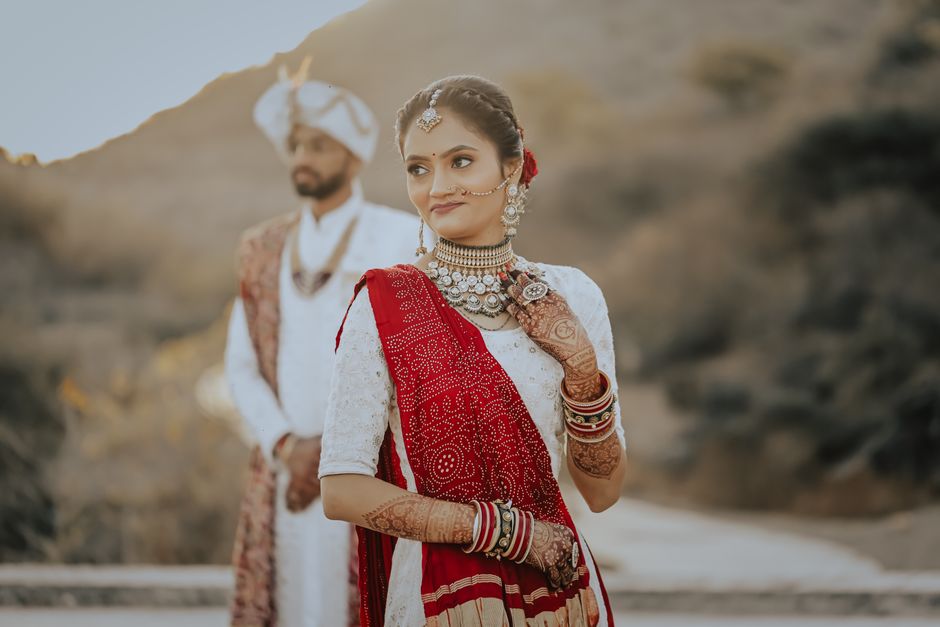
My strongest recommendation is to choose the earring for the whole frame, not the face alone. Face-shape advice becomes incomplete when it ignores hair and clothing. The same drop can look elegant with a low ponytail and chaotic under a high collar.
Match the visible space around your ear
Short hair exposes the full earring, so proportion becomes obvious. With a pixie cut or blunt bob, a 1.5-inch rounded hoop can already make a strong statement. A long drop of 3 inches or more works when the rest of the outfit stays quiet. Long hair creates a different problem: the earring needs contrast, movement, or enough width to remain visible. Polished gold, bright enamel, and clear crystal can separate from dark hair, while matte brown may disappear.
For a sleek ponytail, long oval drops and sculptural metal earrings create a clean vertical line. For loose curls, medium hoops and open geometric shapes show more clearly than thin straight bars. If your hair covers the earlobe, avoid paying for a tiny detailed design that no one can see.
Match the neckline without copying it
A high neckline leaves less open space below the face. Choose earrings that sit close to the lobe or use a controlled 1 to 1.5-inch drop. With a V-neck, teardrops and narrow ovals echo the downward movement without competing with the neckline. A strapless or square-neck top can handle wider hoops, clustered designs, and strong color.
Do not match a round neckline with a perfectly round earring by reflex. Repeating the same curve can look polished, but it can also make the outfit feel overly coordinated. A soft teardrop with a round neckline gives the eye two different lines to follow.
Check weight and construction before committing
Lightweight construction matters more than a dramatic photograph. A large acrylic earring may weigh less than a small solid-metal design. Look for hollow metal, resin, acetate, fabric, or lightweight wood when you want a 2-inch-plus silhouette. For pierced ears that become sore, avoid dense charms stacked at the lowest point.
Examples can help you compare design language. A BaubleBar statement hoop shows how width can create impact without extreme length. Swarovski Matrix drop styles illustrate a more vertical, crystal-heavy effect. Kate Spade New York gumdrop-inspired earrings show how a rounded, colorful form can soften a sharper outfit. Treat these as style references, not universal winners, and check the current listed dimensions and materials before purchase.
The concrete verdict is simple: for long hair and a V-neck, choose a visible narrow drop; for short hair and a high neckline, choose a compact rounded design; for all-day wear, reject any pair that feels heavy during a five-minute trial.
What Earring Mistakes Ruin Face-Shape Balance?
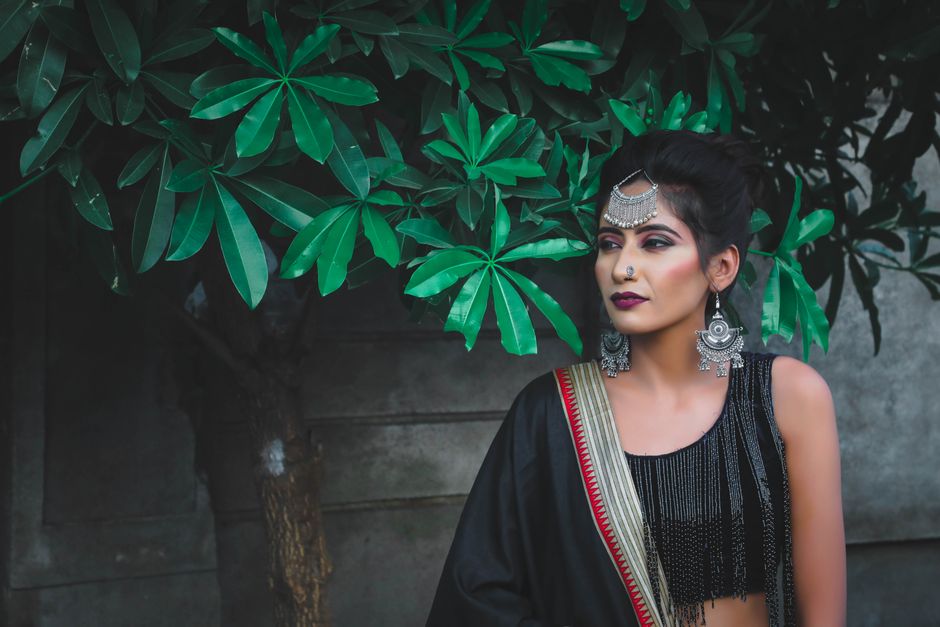
“Why does the right shape still look wrong?”
Usually, the issue is placement or scale. A long earring that ends exactly at the widest point of your jaw can draw attention to that line, even if long earrings suit your proportions. Move the endpoint below the jaw or choose a shorter pair that ends above it. A wide hoop can create the same problem when its outer edge sits beside the fullest part of the cheek.
Another mistake is copying a product image without checking the model’s scale. A 2.75-inch drop on a tall model may look like a small evening accent. On a petite wearer, it may reach the shoulder and dominate the face. Read the dimensions in inches or centimeters and compare them with a ruler.
“When should I avoid a statement earring?”
Skip a large pair for the occasion when you need frequent movement, a headset, a scarf, or a high-contact activity. Big earrings can catch on knitwear, pull against a mask loop, or become uncomfortable during a long commute. If your outfit already has a large collar, strong shoulder detail, and a bold necklace, a smaller earring may create a cleaner result.
Do not buy an expensive pair solely because it is labeled flattering for your face shape. Materials, clasp design, weight, and return policy matter more than a flattering category name. A beautifully shaped earring that hurts after twenty minutes will stay in the jewelry box.
“What is the safest first purchase?”
For most shoppers, the safest first statement pair is a medium, lightweight design between 1.5 and 2 inches long. Choose an open hoop, curved drop, or soft geometric shape in a metal or color already found in your wardrobe. This size gives enough presence for photographs and dinners without forcing every outfit to revolve around the accessory.
If you want a sharper look, select a narrow bar or elongated oval. If you want softness, select a teardrop or rounded cluster. If you want the strongest face-balancing effect, compare the earring’s widest point with your cheekbone width before buying.
The single most important takeaway is to choose statement earrings that add the missing line in your face-and-outfit proportions while staying light enough to wear comfortably.