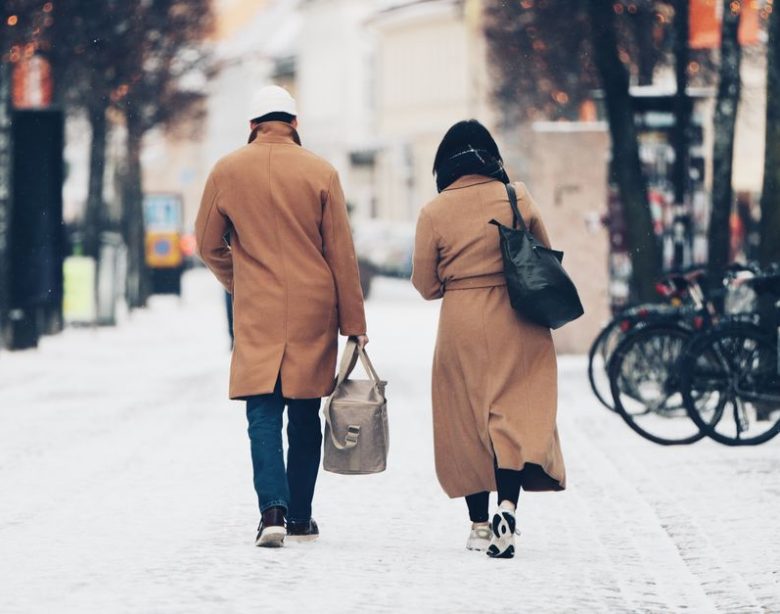
A knee-length coat can hide more than half of your visible outfit. That makes its shape more important than almost anything underneath it. Get the silhouette right and basic jeans look polished. Get it wrong and even expensive clothes look bulky, short, or strangely stiff.
The three useful categories are simple: tailored, cocoon, and oversized. Each changes your proportions in a different way. The best choice is not the trendiest one. It is the shape that gives your shoulders, waist, hem, and layers enough room to work together.
Tailored, cocoon, and oversized coats compared
Use this table as a starting point. It gives each silhouette a job instead of treating them as interchangeable fashion words.
| Silhouette | Shape | Best layering level | Main strength | Typical mistake | Verdict |
|---|---|---|---|---|---|
| Tailored | Defined shoulder, straight or shaped waist | Thin knit, shirt, light blazer | Sharp, polished proportions | Buying too small for winter layers | Best for work and formal dressing |
| Cocoon | Rounded body, curved side seams, softer shoulder | Medium knit or sweatshirt | Comfort without a sloppy outline | Pairing it with wide layers everywhere | Best all-rounder for relaxed polish |
| Oversized | Wide shoulder, long sleeve, generous body | Chunky knit, blazer, hoodie | Maximum layering and strong style | Leaving every other item oversized | Best for dramatic casual outfits |
Choose the silhouette by the outfit underneath
A tailored coat works over a fine-gauge turtleneck, a tucked shirt, or a slim suit jacket. It struggles over a thick hoodie because the chest and upper arms lose room first. A cocoon coat handles a medium knit better because its curved body has extra space through the ribs. An oversized coat can take a hoodie or blazer, but it needs one controlled area, such as a narrow trouser or exposed ankle.
Choose the silhouette by the message you want
Tailored says precise. Cocoon says considered but comfortable. Oversized says relaxed and fashion-led. None is automatically more flattering. The clear winner for a professional wardrobe is tailored. The strongest single everyday choice is cocoon. Oversized wins only when you want the volume to be visible.
How to pick the right coat shape in five checks
Do these checks in the clothes you will actually wear. Trying on a coat over a thin T-shirt tells you almost nothing about January.
- Test the shoulder line. Stand sideways and lift both arms forward. The coat should allow movement without the back pulling across the shoulder blades. A tailored coat may feel close, but it should not crease into a tight X.
- Check the upper-arm space. Wear your thickest regular layer. Pinch the fabric at the biceps. You need roughly 2 to 4cm of spare room for a tailored coat and more for an oversized style. No spare room means the lining will pull when you drive or carry a bag.
- Button every closure. Fasten the coat completely. If the buttons strain or the front opens into a V at the chest, size up or choose a roomier cut. A coat that only looks good open is not a successful fit.
- Walk and sit. Take ten steps, sit down, and put one hand into each pocket. The hem should not ride sharply upward, and the pockets should not flare. Pocket openings that gape usually signal tension across the hips.
- Judge the sleeve and hem together. The sleeve should finish near the wrist bone. The hem should leave enough visible footwear or trouser line to stop the body from looking like one solid block. A long sleeve plus a long hem creates the heaviest version of any silhouette.
Use your widest layer as the sizing test
If you wear a blazer twice a week, bring it to the fitting room. If you live in a thick hoodie, use that instead. Do not size a winter coat around a camisole and hope the fabric will relax. Wool may soften, but it will not create extra room at the armhole.
Buy for movement, not just the mirror
Raise your arms, reach for a door handle, and sit in a chair. If the coat restricts those motions in the shop, it will annoy you every day. The best silhouette is the one that keeps its shape while you move.
Tailored coats are the safest sharp choice

For work, formal events, and smaller wardrobes, choose a tailored coat. It gives the clearest line, works with trousers and skirts, and looks intentional even when the rest of the outfit is basic. The key is buying a tailored cut with enough room at the back and upper arm. A fitted coat that cannot handle a knit is a bad winter coat.
What a good tailored coat should show
Look for a shoulder that sits close without denting, a lapel that lies flat, and a front closure that stays smooth when fastened. A single-breasted coat creates a long vertical line. A double-breasted coat adds width across the chest, which makes it useful for balancing a narrow lower half but less useful if you already want to minimize shoulder width.
The Max Mara 101801 Icon Coat is the classic reference point: double-breasted, raglan-sleeved, and cut with generous ease rather than a tight waist. It shows how a coat can look polished without hugging the body. The J.Crew Daphne Topcoat takes the cleaner single-breasted route, with a straighter line that works well over office trousers.
When tailored is the wrong choice
Do not buy a narrow tailored coat if your winter uniform includes chunky sweaters, hoodies, or layered blazers. The fabric will pull at the armholes and the lapel will buckle. Choose a cocoon shape instead. Also skip a sharply nipped waist if you want to wear the coat open most of the time; the shaped front can look awkward when it is not closed.
My verdict is direct: the best tailored coat has a clean shoulder and a relaxed torso. A tiny waist is less useful than comfortable movement.
When cocoon and oversized shapes work best
Is a cocoon coat flattering?
Yes, when the volume is controlled. A cocoon coat rounds through the ribs and narrows slightly toward the hem, so it gives you room without creating a rectangular block. It is the best option for people who want comfort but dislike the dramatic scale of a full oversized coat.
Keep the rest of the outfit simple. Straight-leg trousers, slim jeans, or a narrow midi skirt give the rounded coat a clear base. The COS Double-Faced Wool Coat is a useful example of this modern, clean volume. Its longline shape needs a visible shoe or a defined trouser line underneath to avoid looking dense.
Is an oversized coat only for tall people?
No, but oversized does not mean every measurement should be large. On a shorter frame, choose one exaggerated feature: a dropped shoulder, a longer hem, or a wide sleeve. Do not choose all three at maximum volume unless you want the coat to dominate your body.
The Frankie Shop Bea coat is a strong oversized reference because its broad shoulder and long body are the point of the design. Wear it with a narrow trouser, a simple knit, and a shoe with some visual weight. The coat should look deliberate, not like an accidental size mistake.
When should you choose down instead of wool?
Choose insulated down when warmth, commuting, and light weight matter more than a sharp line. The Uniqlo Seamless Down Long Coat is built for that job, with a padded construction and a long coverage area. It will not imitate a tailored wool coat, and that is fine. Do not buy it for formal polish. Buy it for cold mornings, wind, and practical movement.
Fix the common coat mistakes before buying

Most bad coat purchases fail in the fitting room, not after a week of wear. The silhouette usually looks wrong because one basic measurement was ignored.
Five mistakes that ruin a good silhouette
- Choosing a small tailored coat because the open front looks slimmer.
- Pairing an oversized coat with wide trousers, a bulky scarf, and large shoes at the same time.
- Ignoring the back view. A coat can look perfect from the front and pull across the shoulder blades.
- Buying a long hem with sleeves that are too long. The entire outfit becomes visually bottom-heavy.
- Assuming a belt fixes every shape. A belt can sharpen a cocoon coat, but it cannot repair a poor shoulder or tight armhole.
The five-minute final test
Button the coat. Put on your thickest normal layer. Carry your everyday bag. Sit, walk, reach, and look at the back. If the coat still feels comfortable and the silhouette remains clear, it has passed. If you keep adjusting the collar, pulling down the hem, or hiding the sleeves, leave it in the shop.
The strongest choice for most people is the cocoon coat because it balances ease and shape. The strongest choice for authority is tailored. Oversized is the most expressive, but it demands the most discipline in the rest of the outfit.
| Need | Best silhouette | Why |
|---|---|---|
| Office polish | Tailored | Clean shoulder and controlled vertical line |
| Everyday layering | Cocoon | Room for knits without losing structure |
| Maximum comfort | Oversized | Handles hoodies and thick layers with ease |
| Most versatile single coat | Cocoon | Relaxed enough for denim, refined enough for work |