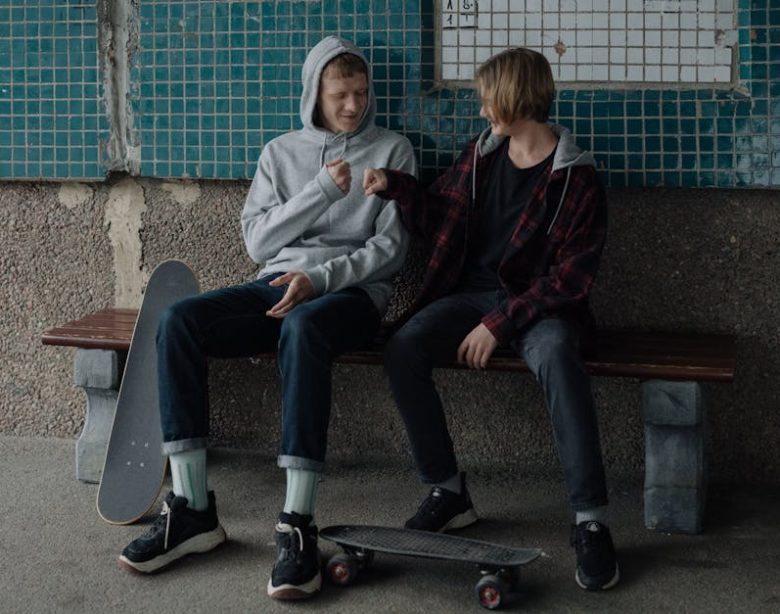
Most teenage guys get style wrong in the same three ways: they buy trending pieces before owning the basics, they ignore fit, and they spend money on logos instead of quality. Fix those three things and the rest falls into place.
This isn’t about telling you what’s cool. It’s about what actually holds up — the pieces that work across contexts, the brands that deliver on a tight budget, and the habits that separate guys who look considered from the ones who just look like they spent money.
Fit Is the Only Rule That Never Changes
A $25 tee that fits correctly looks better than a $100 one that doesn’t. That’s testable in five minutes at any fitting room.
The most common fit mistake teen guys make is buying in their comfort size instead of their fit size. Shoulders on a shirt should sit at the shoulder seam — not sliding down your arm. Side seams shouldn’t balloon out from your torso. Pants should sit where you intend them to, but the leg length has to match your actual inseam. Getting one pair of jeans hemmed costs $10–15 at any tailor or dry cleaner. It changes how the entire outfit reads.
Fit first. Brand second. Color third. That order matters.
The second thing to understand: proportions between pieces matter as much as the fit of individual items. An oversized hoodie reads intentional over slim jeans. The same hoodie over baggy cargo pants reads like you grabbed random items off the floor. The relationship between top and bottom is the most underrated part of getting dressed.
Start by trying on what you already own. Anything where shoulder seams don’t sit right, or the length is wrong for your torso, gets donated or tailored. What’s left is your actual wardrobe — and it’s almost always smaller than what was hanging there before. That’s a good thing.
The Five Style Directions Teen Guys Are Actually Wearing
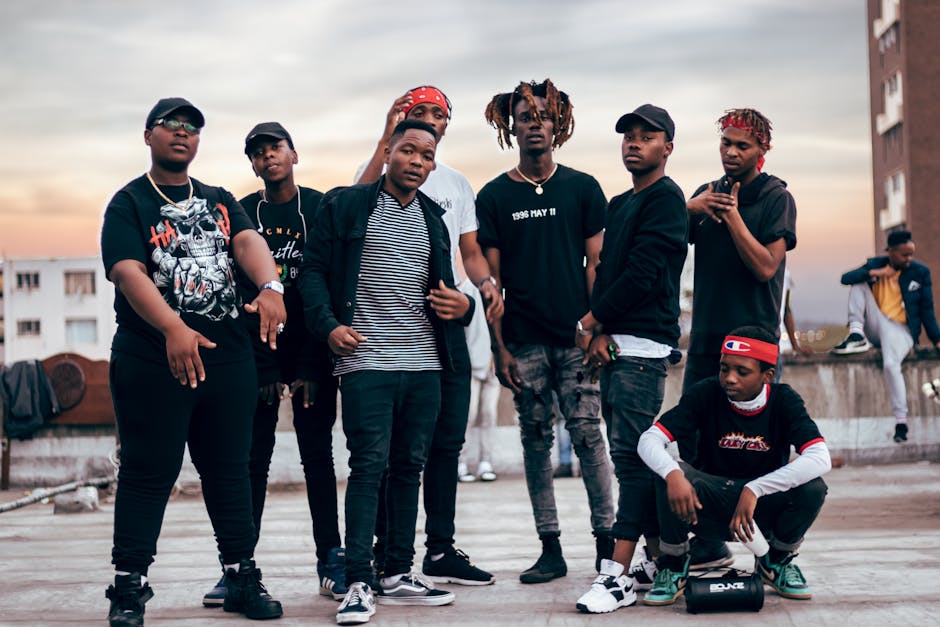
In 2026, teen guy fashion breaks into five clear directions. None of them are wrong — but most guys accidentally blend multiple aesthetics in a way that reads confused rather than creative. The table below maps each look, what it needs to work, and where most guys go sideways with it.
| Style Direction | Core Pieces | Entry-Level Pick | Biggest Mistake |
|---|---|---|---|
| Casual Minimalist | Neutral tees, straight-leg chinos, clean sneakers | UNIQLO Supima tee ($15) + Levi’s 511 jeans ($70) + New Balance 574 ($90) | Wearing all beige and grey with no contrast — looks like you forgot to get dressed |
| Skate-Influenced | Baggy tees, cargo pants or Dickies, low-top skate shoes | Dickies 874 pants ($35) + Vans Old Skool ($70) + Champion tee ($25) | Sizing up too many times — two sizes up reads oversized; four sizes up reads borrowed |
| Prep / Old Money | Polo shirts, oxford cloth shirts, chinos, loafers or clean white sneakers | Polo Ralph Lauren Classic Fit Polo ($95) + H&M slim chinos ($30) | Going full head-to-toe prep — it reads costume, not personal style |
| Gorpcore / Outdoor | Fleece jackets, technical pants, trail sneakers, utility vests | Patagonia Better Sweater Fleece ($139) + Salomon XT-6 trail runners ($160) | Buying North Face logo pieces without the technical gear — reads cheap, not considered |
| Sport-Luxe | Track pants, athletic shorts, matching sets, clean performance sneakers | Adidas Campus 00s ($100) + Nike Tech Fleece joggers ($120) | Mixing too many sport brands in one outfit — one brand at a time, or none |
How to pick your direction
Don’t try to be all five. Look at what you already own and what you actually reach for. Lean hard into one direction for a few months before mixing. The guys who look best aren’t the ones with the widest variety — they’re the ones who’ve become fluent in one visual language.
The one exception to picking one aesthetic
Combining a minimalist base with one louder piece from another aesthetic does work — when the louder piece is singular. A plain white tee, clean chinos, and Salomon trail runners reads intentional because only one element breaks the register. Wearing two loud pieces from different aesthetics at the same time is where outfits start looking chaotic rather than eclectic.
The Foundation Pieces Every Teen Guy Needs Before Anything Else
Before trend pieces, brand statements, or seasonal buys — these are the items that make an outfit function regardless of direction. Skip these and no interesting additions will fix the look.
- One pair of well-fitting jeans. Levi’s 511 (slim-straight, $70) or Levi’s 514 (straight, $70) work across most body types. Get them hemmed to the right length. This is the single most-reached-for item in any wardrobe.
- Three plain tees in white, black, and grey. UNIQLO Supima Cotton Crew Neck tees ($15–20 each) hold their shape through washing better than most options at this price. They work standalone and they work layered under anything.
- One clean neutral sneaker. Nike Air Force 1 ($110), New Balance 574 ($90), or Converse Chuck Taylor All Star ($65). Any of the three functions as a foundation sneaker. The key is keeping them clean — worn-out beaters aren’t a foundation piece, they’re a piece that needs replacing.
- A mid-layer that works standalone. A hoodie or crewneck in a neutral color. Champion Reverse Weave ($75) has consistently outperformed its price point for durability. Wash it inside out to preserve the color.
- One pair of non-denim pants. Dickies 874 in khaki or black ($35) or basic chinos from H&M ($30). This lets you step out of jeans when needed without the outfit collapsing entirely.
Total spend to cover all five: roughly $300–350 at full price, less during UNIQLO or H&M sales. Once you have these, you can add trend pieces without your entire wardrobe depending on them to function.
Color rule for foundations: buy every one of these in neutrals. Black, white, grey, navy, tan. Interesting pieces added later bring color. If your foundations are already loud, your combination options narrow fast and nothing works together.
Where Teen Guys Should Actually Be Shopping
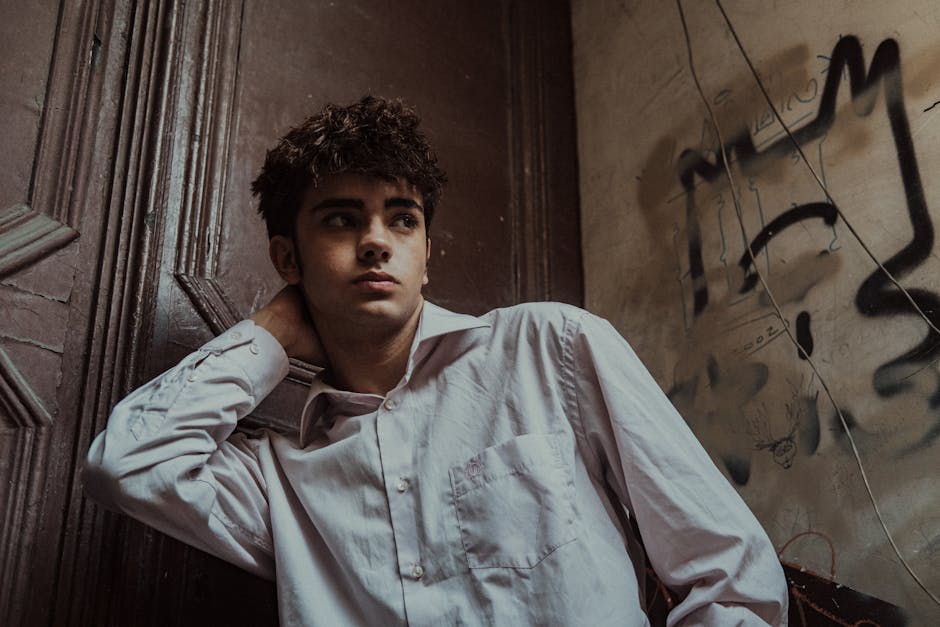
Budget shapes strategy here more than for almost any other fashion group. Most teen guys are working with $50–200 at a time — not $500. That changes which brands make sense and which ones are quiet traps.
UNIQLO: the best value-per-quality ratio in this price range
If there’s one brand that consistently overdelivers for teens, it’s UNIQLO. The Supima Cotton tees ($15–20), the Ultra Light Down jacket ($80 during sales), and the slim-fit chinos ($30–40) all outperform their price points by a meaningful margin. The design is intentionally minimal — that’s the feature, not the limitation. UNIQLO basics worn under one louder piece is a formula that works across nearly every aesthetic direction listed above.
The UNIQLO U line, designed by Christophe Lemaire, is worth the slight premium over the standard line. Cleaner cuts, slightly heavier fabric, fits that read more considered. The UNIQLO U crew-neck sweatshirt ($40) is one of the best individual buys at a teen budget, full stop.
H&M and Zara: fast fashion done right vs. done wrong
Both brands have the same flaw: wildly inconsistent quality between items. Some pieces hold up fine; others fall apart by the third wash. The rule for both is to touch the fabric before buying. Thin or stiff? Walk away. Substantial and soft? Usually worth it at $20–40.
Never buy outerwear or shoes from either brand — quality drops hard in those categories. Use them for basics: plain tees, simple long-sleeves, and seasonal trend pieces you don’t need to last more than a year.
Thrift and resale: where actual value hides
For denim, outerwear, and brand-name pieces, thrift stores and platforms like Depop or ThredUp consistently beat retail. A Carhartt WIP Detroit jacket retails at $200+ new. On Depop, the same jacket in solid condition runs $60–100. Vintage Levi’s 501s show up at Goodwill for $15–25 when new versions cost $80+.
Thrift works best for pieces where age doesn’t hurt: denim, canvas sneakers, workwear jackets, flannel shirts. It works poorly for athletic wear, which degrades with use and is difficult to size correctly without trying it on.
The logo trap: what to skip first
Supreme, Off-White, and similar hype brands charge a premium that rarely makes sense before you’ve built a real foundation wardrobe. A Supreme box logo tee runs $50–80 at a drop and $100+ on resale. The construction is equivalent to a Champion tee ($25). The logo is the entire product. If that brand signal matters to you and you’ve already covered foundations — fine. But as a first spend, before owning clothes that actually fit, it’s the wrong order of operations every time.
The Outfit Mistakes That Are Easy to Fix
Why do pieces that look fine alone look wrong together?
Almost always: clashing silhouettes. Oversized top plus oversized bottoms creates a shapeless block. Slim top plus slim pants reads uncomfortably tight overall. The better move is contrast — one piece with volume, one with structure. Baggy tee over straight-leg jeans that taper at the ankle. That contrast gives the outfit shape and makes both pieces read better than they would alone.
Is wearing head-to-toe one brand a mistake?
Usually, yes. Matching Nike top to Nike sweatpants to Nike Air Force 1s signals you bought a bundle instead of making decisions. One brand piece per outfit — occasionally two if they’re from different categories, like shoes and a cap. The exception is athletic wear worn for actual sport. Off the court, a matched set reads less intentional than mixed pieces.
What’s the most common spending mistake teen guys make?
Buying seasonal trend pieces before owning foundation pieces. A trending jacket worn over an outfit that doesn’t fit won’t rescue the look. The jacket is only as good as what it’s worn over. Foundations first, statement pieces second — that’s not conservative advice, it’s cause and effect.
When should you skip a specific aesthetic entirely?
When the aesthetic requires gear that doesn’t match your budget. Gorpcore works because the technical pieces look considered and deliberate. Buying the cheapest fleece and generic trail shoes to reference the look doesn’t read as gorpcore — it reads as outdoors-adjacent without intent. Either commit to the real pieces or choose a direction where the actual entry cost fits your situation.
Style Is About Decisions, Not Volume
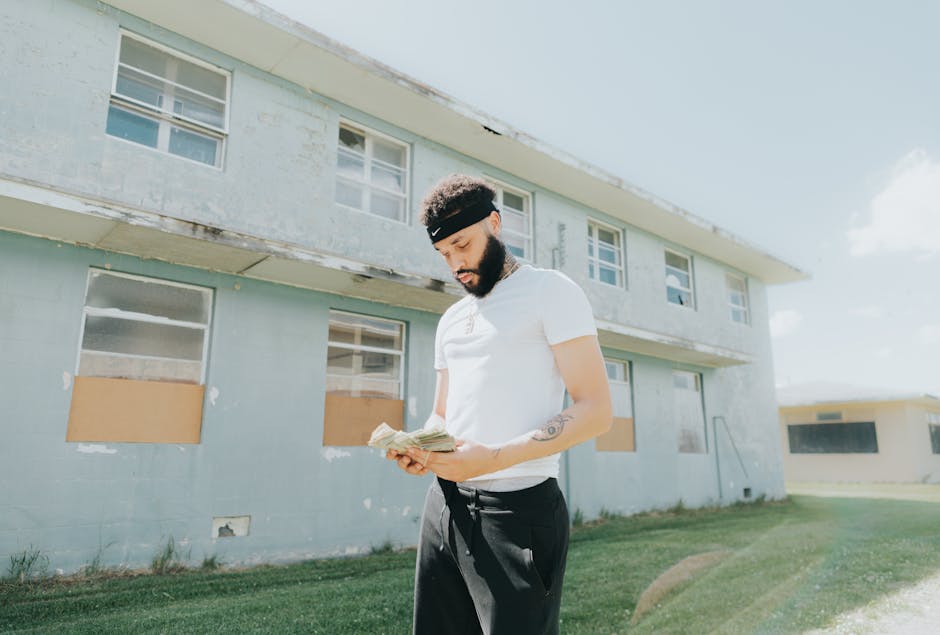
The most visually coherent teen guys aren’t wearing the most expensive or most on-trend pieces. They’re wearing fewer things, chosen deliberately, worn with consistency.
A closet full of things that don’t work together means nothing looks right when you’re getting dressed. The fix isn’t more clothes — it’s fewer pieces that work harder. Ten items that combine into twenty-five outfits is a better wardrobe than forty items that produce ten.
Pull out everything you own and look at what actually pairs with other things. Pieces that only work with one specific combination are low-efficiency items. Pieces that pair with five or six other things are high-efficiency. Build toward high-efficiency. Add trend pieces slowly, and only when you can clearly see where they fit with what you already own.
The single most useful thing a teen guy can do for his style right now costs under $100: get two pairs of existing pants hemmed to the correct length ($10–15 each at a tailor), buy a UNIQLO Supima tee in the right size ($15), and start keeping sneakers clean. Those three changes — all fit and maintenance, zero new purchases — will do more for how an outfit reads than almost any new item he could buy instead.