
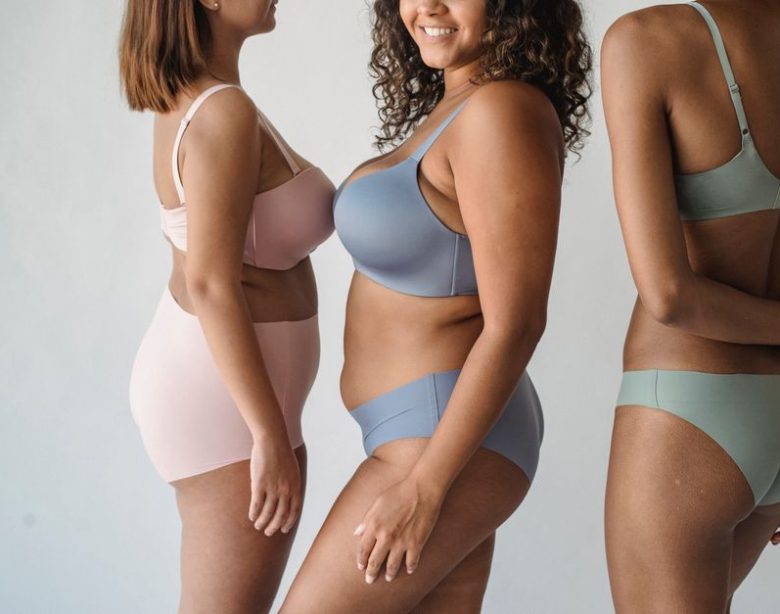
More than half of American women wear a size 14 or larger, yet many fashion brands still treat extended sizes as a small side project. That gap says more about the industry than it does about shoppers. Inclusive sizing in fashion is not a passing trend. It is a basic test of who gets access to style, comfort, and choice.
Why Inclusive Sizing Is a Design Issue, Not a Marketing Add-On
Clothing exists to solve a practical problem: it lets people move through daily life while expressing how they want to look. A size range that excludes large parts of the population fails at that first task. The issue is not only the number printed on a label. It is the pattern, fabric, proportion, grading method, and quality control behind that label.
Scaling a pattern is not the same as designing a fit
Many brands begin with one sample size and enlarge or reduce the pattern through software. That method can work for simple shapes, but bodies do not grow in identical proportions. The rise of a trouser, the placement of a bust dart, the width of a sleeve, and the angle of a shoulder can all change across sizes. A garment may technically measure larger while still pulling, twisting, or restricting movement.
Fit testing should cover the full range
A stronger process tests garments on people across the size range before production. Designers can then spot problems that a computer-generated pattern will miss. The best brands check sitting comfort, arm movement, waistband pressure, pocket placement, and fabric recovery. This takes more time, but the result is fewer returns and more useful clothing.
Access changes the meaning of a fashion trend
A trend is not truly broad when only a narrow group can wear it. A runway-inspired blazer, a sheer skirt, or a fitted pair of jeans has limited cultural reach if most shoppers cannot buy it in a workable size. True inclusion means equal access to the same design language, not a separate collection filled with safer colors and looser shapes.
How Shoppers Can Test a Brand Before Buying
Size charts are useful, but they do not prove that a brand understands fit. Use this quick test before placing an order.
- Check the full size range on the product page. A brand may advertise extended sizing while offering only a few best-selling items above size 18. Look at several categories, including structured jackets, denim, swimwear, and occasion clothing.
- Compare garment measurements, not only body measurements. Bust, waist, hip, rise, and inseam numbers reveal how much room the pattern actually provides. Two garments with the same labeled size can fit very differently.
- Look for multiple model measurements. Photos on bodies with different heights, proportions, and sizes make it easier to judge length, drape, and placement. One sample-size model cannot show how a garment behaves across the range.
- Read reviews for movement problems. Search comments for pulling at the arms, gaping buttons, rolling waistbands, tight thighs, and short sleeves. These details are more useful than vague praise about softness or style.
- Check the return policy before paying. Extended-size shoppers should not have to absorb the cost of testing a brand’s pattern. Free returns, clear exchanges, and accurate stock information reduce the risk.
- Inspect the size availability at checkout. A size range means little if common sizes are repeatedly sold out while smaller sizes remain available. Stock depth is part of inclusion.
The best quick verdict is simple: a brand deserves trust when its measurements, models, stock, and returns all support the same promise.
Does Inclusive Sizing Improve Clothes for Everyone?
Does a wider size range lower quality?
No. A wider range can demand better pattern work, stronger seams, and more careful fabric choices, but those improvements benefit every shopper. A well-designed garment should keep its shape across sizes instead of relying on thin fabric or excessive stretch to hide poor construction.
Does inclusive sizing make clothes more expensive?
It can increase development costs because brands need more fit samples and testing. That does not automatically justify a higher price for larger sizes. When the same design uses similar material and labor, a size-based surcharge deserves a clear explanation. Equal pricing is the stronger standard.
Can one cut fit every body?
No. Size access is only the first step. People also need short, tall, petite, maternity, adaptive, and different-proportion options. A brand can offer sizes 00 to 40 and still miss customers with fuller busts, narrow hips, long torsos, or limited mobility. Inclusive sizing should expand choice, not replace thoughtful fit categories.
This is why shoppers should judge inclusion by the whole system. A large number on a size menu is helpful, but it cannot compensate for weak construction, poor measurement information, or a lack of real stock.
What Leading Size-Inclusive Brands Show in Practice

Brand examples help make the difference between a claim and a working system easier to see. These are useful reference points, not affiliate recommendations. The strongest model is the one that combines broad access with fit information and consistent availability.
| Brand or example | Published size detail | What it shows | Verdict |
|---|---|---|---|
| Universal Standard Foundation Mola Pant | 00 to 40, with the product chart mapping 00-0 through 38-40 | One core trouser design is engineered across a very broad range | Best example of range-wide design access |
| Good American Good Legs denim | 00 to 32 Plus across its denim offering | Denim fit is treated as a central product category rather than a limited add-on | Strong choice for shoppers seeking extended denim options |
| Girlfriend Collective Tommy Bra | XXS to 6XL, with listed bust measurements extending to about 60.5 inches | Performance clothing includes detailed body measurements at larger sizes | Good proof that activewear can publish useful fit data |
| Old Navy extended-size styles | Many women’s styles have used numeric and 4X sizing, though availability varies by item | Mass-market access can move beyond a small specialty section | Useful for price access, but check each product page carefully |
The verdict is clear: Universal Standard sets the strongest benchmark for consistency because its model centers on offering the same collection across sizes. Good American and Girlfriend Collective show how denim and activewear can handle different fit needs. Old Navy demonstrates the reach of a large retailer, but changing stock means shoppers must verify every item.
The Standard Fashion Brands Should Meet
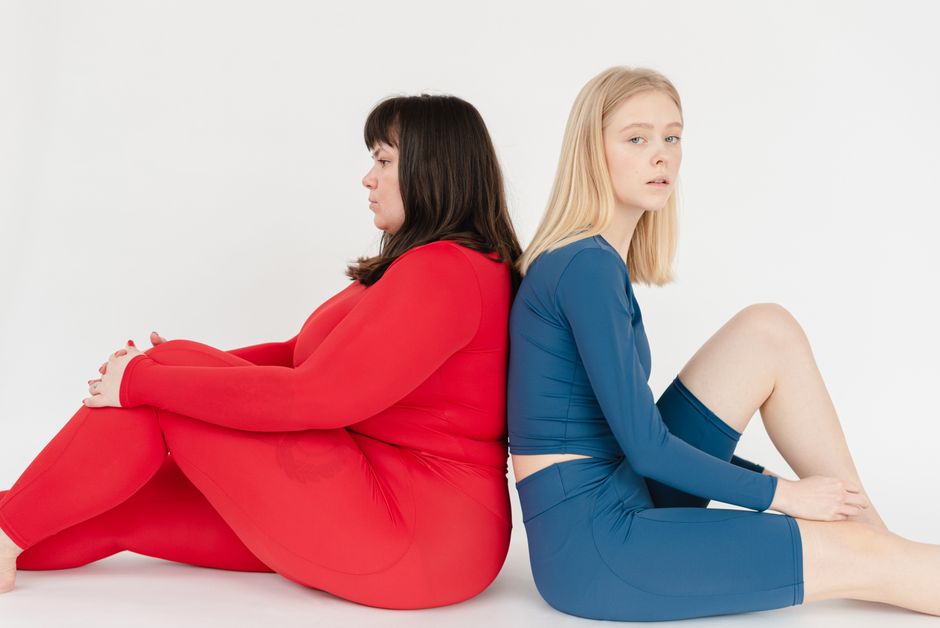
Size inclusivity should be judged as a product promise, not a campaign slogan. A credible brand should offer the same level of design effort, color choice, material quality, photography, and customer service across its size range. If an extended size appears only in black, sells out first, or has no useful measurements, the brand has not finished the job.
- Broad sizes across most categories, not only relaxed basics.
- Fit testing on bodies from the lower to the upper end of the range.
- Clear garment measurements, inseam options, and notes about stretch.
- Equal access to prints, colors, tailoring, and seasonal designs.
- Returns that do not punish shoppers for checking an uncertain fit.
Shoppers can use the same standard. Reward brands that make fit information easy to find and challenge brands that hide behind vague size labels. Trends will change. The need for clothing that fits real people will not.
| If your priority is | Look for | Best buying signal |
|---|---|---|
| Maximum size access | One collection offered across a broad range | Everyday and structured styles share the same size menu |
| Better denim fit | Rise, hip, inseam, and stretch details | Reviews mention movement rather than only appearance |
| Activewear comfort | Body measurements and fabric recovery notes | Models show several sizes and body shapes |
| Lower shopping risk | Accurate stock and free exchanges | The return policy is clear before checkout |