According to data from fashion analytics firm Launchmetrics, a single viral “tunnel walk” image of a high-profile NFL player can generate upwards of $500,000 in Media Impact Value (MIV) for a luxury brand in less than 48 hours. This figure often eclipses the engagement seen on traditional television commercials aired during the game itself. The concrete hallway leading from the parking lot to the locker room has transformed from a utilitarian passage into the most influential runway in American menswear. As the faces of their respective franchises, quarterbacks carry the heaviest burden of this stylistic expectation. They are no longer just athletes; they are walking billboards for LVMH, Kering, and independent streetwear labels. Evaluating the best dressed quarterback requires looking beyond mere price tags to understand the narrative, the fit, and the cultural resonance of their sartorial choices.
The Evolution of the NFL Tunnel Walk as a Marketing Powerhouse
The transition of the NFL tunnel into a high-stakes fashion environment did not happen by accident. For decades, the league maintained a relatively rigid, business-casual dress code that favored ill-fitting department store suits and nondescript polos. The shift began in the mid-2010s, mirroring the NBA’s explosion in style consciousness. Today, the pre-game arrival is a choreographed media event. Quarterbacks now employ full-time personal stylists who coordinate with luxury houses months in advance. This evolution reflects a broader change in how professional athletes view their personal brands. A quarterback’s wardrobe is now a tool for recruitment, endorsement negotiation, and post-career positioning.
When we analyze the current landscape, we see a clear divide between those who follow trends and those who set them. The “best dressed” designation isn’t about wearing the loudest colors; it is about the mastery of proportion and the ability to pivot between aesthetics. Some players lean into the “quiet luxury” movement, utilizing brands like Loro Piana or Brunello Cucinelli to project an image of established wealth. Others use their platform to highlight emerging Black designers or avant-garde Japanese labels. The complexity of these outfits has reached a point where fashion critics now deconstruct tunnel fits with the same intensity that defensive coordinators deconstruct game film. The stakes are high because a poorly received outfit can become a meme within minutes, while a successful one can cement a player’s status as a cultural icon.
Key Metrics for Evaluating Quarterback Style
- Versatility: The ability to transition from a bespoke three-piece suit to high-end streetwear without looking like they are wearing a costume.
- Tailoring: How well the garments interact with the unique, often non-standard proportions of a professional athlete’s body.
- Authenticity: Whether the clothes feel like a natural extension of the player’s personality or a forced marketing play.
- Accessory Integration: The calculated use of watches, eyewear, and luggage to complement the primary outfit.
Joe Burrow: The Intersection of High-Fashion Streetwear and Precision Tailoring

Joe Burrow has arguably become the definitive style icon of the modern NFL era. His approach is characterized by a fearless embrace of textures and patterns that many of his peers avoid. Burrow’s style is not just about the clothes; it is about the “Joe Cool” persona that he projects through his wardrobe. He frequently utilizes bold silhouettes, such as oversized floral suits or vintage-inspired leather jackets, often paired with his signature rimless Cartier glasses. His partnership with brands like Bose and his frequent appearances in Amiri or Louis Vuitton suggest a deep understanding of the luxury market. Burrow doesn’t just wear clothes; he curates an aura of relaxed confidence that mirrors his on-field demeanor.
One of Burrow’s most notable style traits is his use of eyewear. The “Cartier C Décor” glasses, often referred to as “Cartier Buffs” in certain circles, have become synonymous with his brand. These aren’t just functional items; they are a stylistic punctuation mark. Furthermore, his tailoring is almost always impeccable. Even when he opts for a more relaxed fit, the break of the trouser and the shoulder alignment of the jacket indicate a high level of customization. Burrow understands that as a quarterback in a smaller market like Cincinnati, his fashion choices are a primary vehicle for maintaining a national and international profile. He uses the tunnel walk to ensure he is the most talked-about person in the building before the first whistle even blows.
Signature Joe Burrow Pieces
| Item | Approx. Price | Pros | Cons |
|---|---|---|---|
| Amiri MX1 Suede-Patch Jeans | $850 – $1,200 | Exceptional durability and distinctive rock-and-roll aesthetic. | The heavy distressing isn’t suitable for formal settings. |
| Cartier C Décor Sunglasses | $1,100 – $2,500 | Timeless luxury status and high resale value. | Extremely fragile; require constant maintenance. |
| Bose QuietComfort Ultra (Custom) | $429 | Industry-leading noise cancellation for pre-game focus. | Bulkier than in-ear alternatives; can disrupt the silhouette of a slim-fit suit. |
Patrick Mahomes: Strategic Brand Integration and the Modern Classic Look
Patrick Mahomes operates at a different stylistic frequency than Burrow. While Burrow is experimental, Mahomes is the king of the “Modern Classic.” His style is heavily influenced by his massive endorsement deals, particularly with Hugo Boss and Oakley. This creates a more polished, corporate-adjacent aesthetic that appeals to a broad demographic. Mahomes often favors well-tailored suits in unconventional colors—think dusty rose, deep teal, or monochromatic grey. He avoids the more extreme streetwear trends in favor of a look that says “CEO of the Franchise.” This is a calculated move; Mahomes is the face of the league, and his wardrobe reflects a level of professional maturity that sponsors find incredibly attractive.
However, do not mistake his polished look for a lack of personality. Mahomes often incorporates subtle nods to his Kansas City environment or his personal life through his footwear. He is a well-known “sneakerhead,” frequently sporting rare Adidas collaborations that contrast sharply with his high-end tailoring. This juxtaposition is a hallmark of modern menswear—the ability to mix high and low fashion seamlessly. His use of Oakley eyewear is also a masterclass in brand integration. By wearing custom-tinted lenses that match his suit or his team colors, he turns a functional piece of athletic equipment into a high-fashion accessory. Mahomes proves that you don’t need to be avant-garde to be the best dressed; you just need to be consistent and intentional.
A quarterback’s style is often a reflection of his offensive system. Burrow is the deep threat—risky, flashy, and high-reward. Mahomes is the precision passer—calculated, polished, and always on time.
Jalen Hurts: Minimalism and the Power of the Monochromatic Silhouette
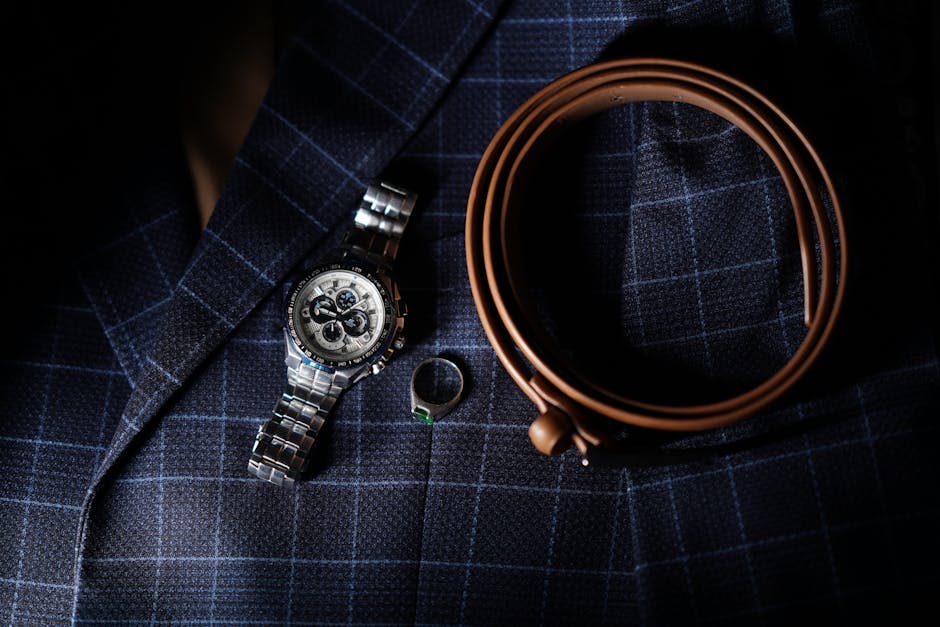
Jalen Hurts has quickly ascended the fashion rankings by adhering to a philosophy of “less is more.” In an era where many players are trying to out-accessorize one another, Hurts stands out by stripping away the noise. He is a proponent of the monochromatic look, often appearing in all-black, all-cream, or all-earth-toned ensembles. This minimalist approach highlights the quality of the fabrics and the precision of the cut. Hurts frequently wears brands like Aime Leon Dore or Fear of God, which specialize in elevated basics that blur the line between sportswear and luxury. His style is understated, sophisticated, and deeply masculine.
The brilliance of Hurts’ style lies in its accessibility. While most fans cannot pull off a floral suit, they can find inspiration in a perfectly fitted turtleneck paired with a topcoat and clean leather boots. Hurts also pays significant attention to his grooming, which is an often-overlooked component of the “best dressed” conversation. His beard and fade are always sharp, complementing the clean lines of his clothing. He avoids the “hypebeast” trap of wearing logos for the sake of logos. Instead, he focuses on the silhouette. By choosing structured overcoats and slim-tapered trousers, he creates a visual verticality that makes him look even more commanding than his already impressive physical stature suggests. He is the prime example of how to use fashion to project stoicism and leadership.
The Hurts Minimalist Toolkit
- The Structured Topcoat: Look for wool blends with a sharp shoulder line. Brand suggestion: Theory or Reiss ($500 – $800).
- The Fine-Gauge Turtleneck: A foundational piece for layering under suits or coats. Brand suggestion: John Smedley ($250).
- Chelsea Boots: Opt for matte leather or suede to maintain the minimalist vibe. Brand suggestion: Common Projects ($500).
Comparing the Top Stylists: Who Shapes the Quarterback Image?
Behind every best dressed quarterback is a stylist who understands the nuances of the fashion industry. These professionals are the architects of the tunnel walk. They don’t just pick out clothes; they manage relationships with showrooms and ensure that every garment is tailored to the millimeter. For example, stylists like Rachel Johnson or Apuje Kalu have worked with some of the biggest names in the league to refine their images. The role of the stylist has become so critical that many quarterbacks now include them in their inner circle alongside their agents and trainers. This reflects the reality that a player’s image is a multi-million dollar asset that requires professional management.
The difference between a self-styled player and a professionally styled one is often found in the details. A stylist knows how to handle “difficult” fabrics like velvet or silk, which can look disastrous under the harsh fluorescent lights of a stadium tunnel if not properly prepared. They also understand the importance of color theory—choosing shades that complement the player’s skin tone and the specific lighting conditions of the venue. Furthermore, stylists act as gatekeepers, protecting their clients from fleeting trends that might look dated in six months. They aim for a look that is “timeless yet timely,” a difficult balance to achieve in the fast-paced world of social media fashion.
Stylist vs. Self-Styled: A Comparison
| Feature | Professionally Styled | Self-Styled |
|---|---|---|
| Brand Access | Direct access to runway samples and custom pieces. | Limited to retail availability and personal connections. |
| Tailoring | Multiple fittings with master tailors. | Often relies on standard off-the-rack alterations. |
| Cohesion | Outfits are planned weeks in advance as part of a seasonal narrative. | Often more impulsive and reactive to current trends. |
| Risk Management | Stylists vet looks for potential wardrobe malfunctions or PR issues. | Higher risk of “fashion fails” or ill-fitting garments. |
Essential Wardrobe Elements for Replicating the Professional Quarterback Aesthetic
For the average consumer, replicating the wardrobe of a multi-millionaire athlete might seem impossible. However, the core principles of quarterback style are surprisingly attainable if you focus on the right elements. The first step is to prioritize fit over brand name. A $200 suit that has been professionally tailored to your body will always look better than a $2,000 suit that is too long in the sleeves. Most quarterbacks spend a significant portion of their fashion budget on alterations, ensuring that their clothes move with them. This is the “secret sauce” of the tunnel walk: the clothes look like they were grown on the player, not just put on them.
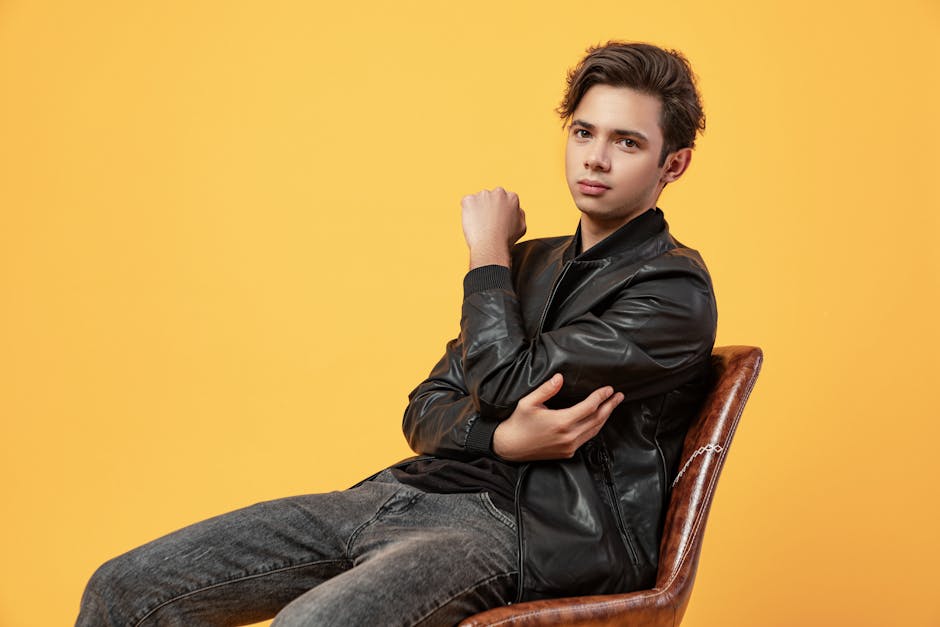
Secondly, invest in high-quality accessories. You may not be able to afford a Richard Mille watch, but a well-made mechanical watch with a leather strap can elevate a simple outfit significantly. The same applies to luggage and footwear. Quarterbacks are rarely seen without a high-end duffel bag or a pair of pristine sneakers. These items act as anchors for the rest of the look. Finally, don’t be afraid to experiment with color, but do so within a structured framework. If you’re wearing a bold jacket, keep the rest of the outfit neutral. This “hero piece” strategy is used by almost every player on the best dressed list. It allows you to make a statement without being overwhelmed by the clothing.
Top 3 Investment Pieces for an Athlete-Inspired Wardrobe
1. The Custom Blazer: Even if you don’t buy bespoke, taking a quality off-the-rack blazer to a tailor to have the waist suppressed and the sleeves shortened can change your entire profile. Look for mid-weight wools that can be worn year-round. Price range: $300 – $600 + $100 for tailoring.
2. Premium Leather Sneakers: Move away from athletic-performance shoes for your casual looks. Brands like Koio or Oliver Cabell offer the clean, minimalist aesthetic favored by players like Jalen Hurts. These shoes work with both jeans and suits. Price range: $200 – $300.
3. High-Quality Weekender Bag: The “tunnel walk” is essentially a walk from a car to a destination, making the bag a central part of the visual. A leather or high-density nylon weekender bag from a brand like Bellroy or Filson adds a level of sophistication to your travel game. Price range: $250 – $500.
The title of “best dressed quarterback” is a moving target, shifting with every Sunday arrival. Whether it’s the bold experimentation of Joe Burrow, the polished professionalism of Patrick Mahomes, or the disciplined minimalism of Jalen Hurts, the common thread is an understanding of fashion as a form of non-verbal communication. These athletes are using their clothes to tell the world who they are before they ever take a snap. For the observer, it provides a fascinating look at how the modern man navigates the intersection of sport, luxury, and personal identity.