
According to a 2026 survey from dating app Bumble, 68% of first-date impressions are formed within the first 90 seconds — and clothing accounts for roughly 40% of that snap judgment. For brunch specifically, the margin for error is narrower than dinner or drinks. The setting is bright (daylight exposes everything), the activity is public (you’re sitting across from someone for 60–90 minutes), and the vibe sits somewhere between casual and intentional. Get the outfit wrong, and you’re fighting uphill for the rest of the meal.
This guide breaks down exactly what works for a first-date brunch, what doesn’t, and why. No vague advice. No “dress for yourself” platitudes. Just a systematic look at fabrics, silhouettes, and real outfit formulas that signal effort without screaming for attention.
The Three Rules That Make or Break a Brunch Date Outfit
Brunch dates occupy a specific fashion territory that most people get wrong in one of two directions: overdressed like a job interview or underdressed like a grocery run. The fix comes down to three non-negotiable rules.
Rule 1: Fabric dictates perception more than color
Linen wrinkles in 20 minutes. Cotton jersey reads as pajama-adjacent. Satin catches daylight and reflects it straight into your date’s eyes. For brunch, the safest fabric choices are structured cotton (oxford cloth, chambray), lightweight denim (10–12 oz), merino wool, or a cotton-silk blend. These fabrics hold their shape, breathe during a warm meal, and don’t look sloppy after sitting for an hour.
A $60 Uniqlo oxford in cotton broadcloth will read as more intentional than a $200 linen shirt that looks like you slept in it. Fabric quality signals preparation. That’s the message you want to send.
Rule 2: Fit should be tailored, not tight
Brunch involves eating. That means sitting, leaning forward, possibly reaching across the table. A shirt that pulls across the chest when you sit down or jeans that dig in after a full English breakfast will make you look uncomfortable — and you will be. The fix: buy for your seated fit, not your standing fit. Shoulders should sit clean. Sleeves should reach wrist bone. Pants should allow a full squat without resistance.
Rule 3: Footwear must match the venue’s floor
This sounds trivial until you’ve walked six blocks on cobblestone in brand-new loafers. Know the restaurant’s location. Is it a sidewalk cafe on pavement? A diner with linoleum floors? A farm-to-table spot with gravel parking? Your shoes need to survive the walk from car to table without leaving you limping. Veja Campo sneakers ($155) or Vans Old Skool ($70) handle most urban brunch settings. For nicer spots, a rubber-soled loafer from Thursday Boots ($200) works.
The core insight: Brunch outfits fail when they prioritize aesthetics over the actual experience of sitting, eating, and talking for 90 minutes. Solve for comfort first, then layer style on top.
Five Common Brunch Outfit Mistakes — and the Fix for Each
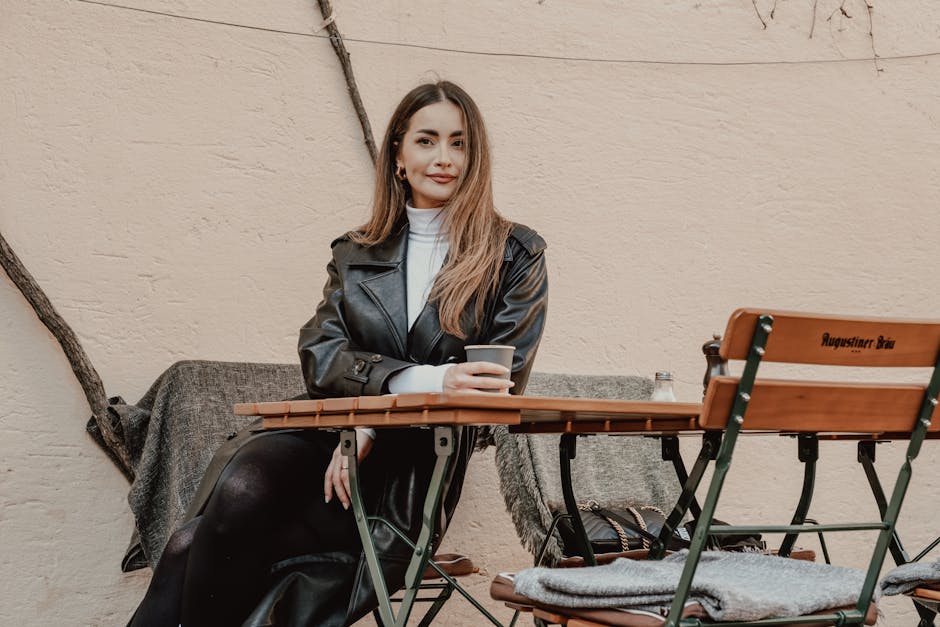
These are the specific errors I see most often, pulled from observing real brunch dates in New York, Los Angeles, and Chicago over the past year. Each one is fixable with a single swap.
| Mistake | Why It Fails | The Fix |
|---|---|---|
| Wearing a blazer over a t-shirt | Looks like you’re trying too hard to look casual. The blazer reads as costume. | Swap the blazer for a chore coat or trucker jacket. Same structure, less pretense. |
| All-black outfit | Brunch is daytime. All-black reads as either a funeral or a nightclub holdover. | Add one warm tone: cream, olive, or rust. Even a beige sneaker breaks the black block. |
| Untucked button-down with shorts | Creates a 50/50 split that shortens your legs visually. Looks unfinished. | Either tuck the shirt or wear longer shorts (7–9 inch inseam) with a fitted tee. |
| White sneakers that aren’t clean | Daylight magnifies every scuff. Dirty white sneakers signal “I didn’t check my outfit.” | Give them a 2-minute wipe before leaving. Or wear dark sneakers. |
| Accessories that jingle or clank | Bracelets, loose chains, or jangly earrings create noise that distracts from conversation. | One watch. One ring max. No bracelets unless they’re silicone and silent. |
The pattern: Every mistake comes from treating brunch like a dinner date or a casual hangout. It’s neither. The right outfit splits the difference: intentional but not stiff, relaxed but not careless.
Five Outfit Formulas That Work for Any Brunch Venue
These aren’t just “ideas.” They’re tested combinations that balance the three rules above. Each formula includes specific brand recommendations at different price points.
Formula 1: The Clean Minimalist
A midweight oxford cloth button-down (Everlane Japanese Oxford, $88) in white or light blue, tucked into straight-leg jeans (Levi’s 501, $98) in medium wash. Brown leather belt. Clean white sneakers (Veja Campo, $155) or suede chukka boots (Clarks Desert Boot, $150). Works at a diner, a cafe, or a nicer farm-to-table spot. The oxford signals effort. The jeans keep it grounded. The shoes handle any floor.
Formula 2: The Elevated Casual
A heavyweight t-shirt (Lady White Co., $85 or Uniqlo Supima Cotton, $20) in cream or heather grey, layered under an unlined chore coat (Carhartt WIP Michigan Coat, $280). Loose-fit chinos (J.Crew 770, $98) in khaki or olive. Suede sneakers (Thursday Boots Premier Low, $200). The chore coat adds structure without formality. The t-shirt keeps it human. This formula works best for a Saturday or Sunday midday date.
Formula 3: The Soft Structured
A merino wool crewneck sweater (Uniqlo Merino Crew, $40) in navy or charcoal. Tapered trousers (Aritzia Effortless Pant, $150 for women; Banana Republic Traveler Pant, $120 for men). Loafers with a rubber sole (G.H. Bass Larson, $120). This is the closest to “dressed up” that brunch should get. The sweater reads as intentional. The trousers add polish. The rubber-soled loafers keep you from clacking across tile floors.
Formula 4: The Denim-on-Denim (Done Right)
A chambray shirt (Madewell Vintage Chambray, $80) over a white tee, both untucked. Dark-wash jeans (Levi’s 511, $98) — not the same wash as the shirt. White sneakers or desert boots. The trick: the chambray must be a different shade from the jeans. Light blue shirt + dark indigo jeans = intentional. Same wash = costume. Add a brown belt to break the blue block.
Formula 5: The Dress + Jacket (Women-specific)
A midi dress in a structured fabric (Reformation Midi Dress, $248) in a solid color — rust, olive, or navy. A cropped denim jacket or a lightweight trench (Everlane Trench, $285). Block-heel mules or clean white sneakers. The dress provides the feminine signal. The jacket adds the structure. No florals, no prints, no ruffles. Brunch is not a garden party.
Verdict: Formula 1 (Clean Minimalist) is the safest bet for any gender, any venue, any season. It’s the baseline from which you can deviate once you know the person.
When to Break the Rules — and When Not To
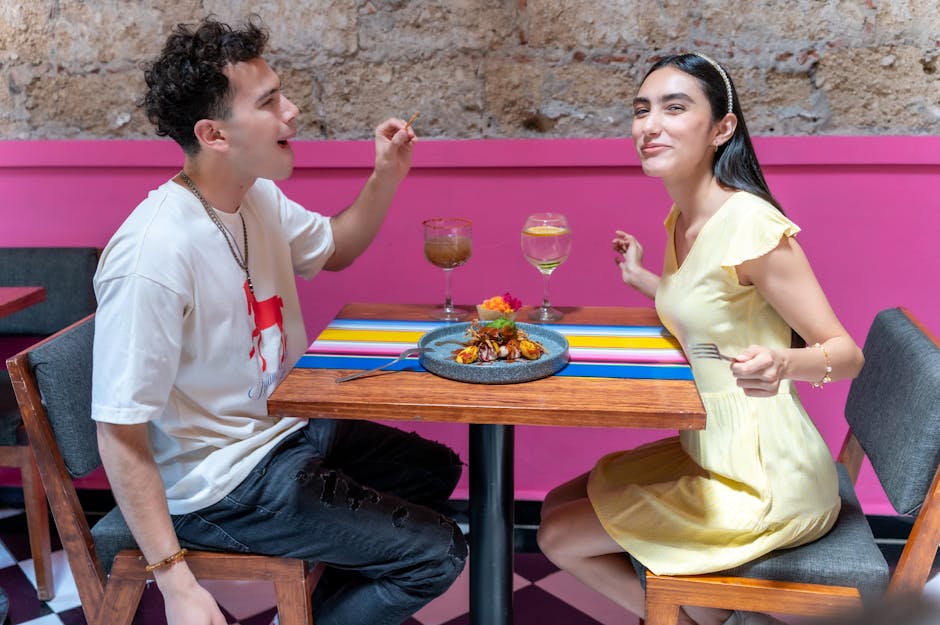
Rules exist because they work for the majority of cases. But brunch dates aren’t all the same. Here’s when you should deviate and when you absolutely should not.
Break the rules when:
The venue demands it. A rooftop brunch with a view of the water calls for lighter fabrics and brighter colors. A rustic farm brunch with outdoor seating calls for boots and layers. Match the environment, not the template.
Your personal style is genuinely bold. If you wear avant-garde pieces daily, don’t shrink yourself for a first date. The right person wants to see who you actually are. Just make sure the bold piece is one element, not the whole outfit. A single statement jacket over neutral basics reads as confident. Head-to-toe experimental reads as a performance.
You’re meeting at a place you know well. If you’ve been to the restaurant before and know the lighting, the seating, and the typical crowd, you can calibrate more precisely. First dates at unfamiliar venues call for conservative choices.
Do NOT break the rules when:
You’re meeting a stranger from an app. This is the highest-stakes scenario. You have zero information about their expectations. Default to the Clean Minimalist formula. It’s the universal dialect of “I tried but I’m not trying too hard.”
The weather is unpredictable. A brunch outfit that works in 72-degree sun fails at 58 degrees with wind. Always check the forecast and bring a layer you can tie around your waist or carry. A chore coat or denim jacket solves this without ruining the silhouette.
You’re still figuring out your personal style. Don’t experiment on a first date. Wear something you’ve worn before and felt good in. The goal is to feel like yourself, not to test a new identity. Save the experimentation for solo errands or second dates.
The rule of thumb: If you’re asking yourself “is this too much?” the answer is almost certainly yes. Scale back by one element. Remove the accessory. Swap the patterned shirt for a solid. You can always dress up for a second date once you know their baseline.
Fabric and Fit: The Technical Specs That Matter
Most style advice stays at the surface level: “wear this color” or “try this silhouette.” That’s useful but incomplete. The real difference between an outfit that works and one that doesn’t comes down to technical details most people ignore.
Fabric weight and drape
Fabric weight is measured in grams per square meter (GSM). For brunch, aim for mid-weight fabrics in the 180–250 GSM range. Below 180 GSM, fabrics tend to be flimsy and wrinkle easily. Above 250 GSM, they’re too heavy for daytime warmth and restrict movement when seated.
A 200-GSM oxford cloth holds its shape without looking stiff. A 220-GSM denim provides structure without being rigid. A 190-GSM merino knit breathes well and resists wrinkles. These numbers are printed on most brand spec sheets or available on request. Use them.
Fit specs for seated comfort
When trying on pants for a brunch date, sit down in the fitting room. If the waistband digs in, the rise is too short. If the thighs feel tight, the cut is too slim. Look for these specific measurements:
- Front rise: Minimum 10 inches for most body types. Lower rises create muffin top when seated.
- Thigh circumference: At least 24 inches for a size medium. Any tighter and you’ll feel restricted.
- Shoulder seam: Should align with the end of your shoulder bone, not hang past it. A dropped shoulder looks sloppy in daylight.
- Sleeve length: Wrist bone when arms are slightly bent. Too long and cuffs get food stains. Too short and you look like you outgrew the shirt.
The shortcut: If you can’t find exact measurements, buy from brands known for consistent sizing. Everlane, Uniqlo, and Madewell publish size guides with garment measurements. Use them. Guessing costs time and money.
Footwear: The Most Overlooked Variable
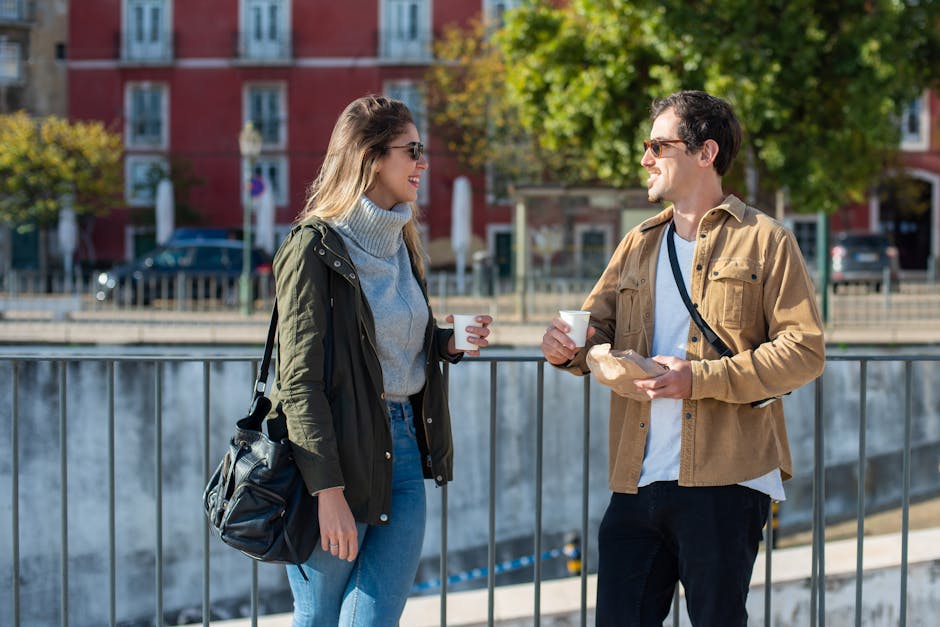
Feet are the first thing people notice when you walk in and the last thing they see when you stand up. Yet most people treat footwear as an afterthought. For brunch, it matters more than almost any other piece.
The three footwear categories that work
Clean sneakers. White leather sneakers (Veja Campo, $155; Common Projects Achilles, $440; or the budget option: Adidas Stan Smith, $100) work with every outfit formula above. The key word is “clean.” Scuffed white sneakers read as neglect. A quick wipe with a damp cloth before leaving takes 30 seconds.
Rubber-soled loafers. Loafers with leather soles are for office carpet and formal dining. For brunch, you need a rubber sole that grips pavement and tile. G.H. Bass Larson ($120) and Thursday Boots Premier Loafer ($200) both use rubber outsoles. They look polished but handle real-world surfaces.
Desert boots or chukkas. Clarks Desert Boot ($150) in beeswax leather is the gold standard. The crepe sole is quiet, grippy, and comfortable for walking. Works with jeans, chinos, or even the merino sweater outfit. The only caveat: don’t wear them with shorts. The proportions look off.
What to avoid
Dress shoes with thin leather soles. Heels higher than 2 inches (for women) — you’ll be walking and standing, not posing. Flip-flops or sandals of any kind — they signal you didn’t think about the date. Boat shoes — they read as preppy in a way that polarizes opinion. Hiking boots — unless you’re actually hiking after brunch.
The footwear verdict: If you own only one pair of shoes for brunch dates, make it a clean white leather sneaker. It’s the only option that works with every outfit formula, every venue, and every season except deep winter.
The Final Verdict: What to Wear Tomorrow
Let’s collapse everything into a single decision tree. If you have a brunch date tomorrow and you’re standing in front of your closet right now, here’s what to do.
Step 1: Check the venue. Is it a diner, a cafe, or a nicer restaurant? Diner = Formula 2 (elevated casual). Cafe = Formula 1 (clean minimalist). Nicer restaurant = Formula 3 (soft structured). If you don’t know, default to Formula 1.
Step 2: Check the weather. Below 60°F? Add a chore coat or denim jacket over whatever formula you chose. Above 75°F? Drop the jacket and roll your sleeves once. Rain? Swap sneakers for rubber-soled loafers or desert boots.
Step 3: Check your shoes. Are they clean? Do they match the venue’s floor? If the answer to either is no, change them. This is the single highest-ROI adjustment you can make.
Step 4: Remove one accessory. Whatever you’re currently wearing on your wrists, neck, or fingers — take one off. You want your date to look at your face, not your jewelry.
Step 5: Stand in front of a full-length mirror in natural light. Not bathroom light. Not bedroom light. Natural daylight. If anything looks off — a wrinkle, a pull, a stain — fix it now. Daylight is unforgiving. That’s why brunch is the hardest date format to dress for.
That 90-second window where your date forms an impression? It starts the moment you walk through the door. Your outfit can’t do the talking for you, but it can make sure the conversation starts on the right note. Dress for the person you want to be during that conversation: present, comfortable, and intentional.