

Everlane vs. Pact: What You Get for the Price
Pact wins on affordable organic basics. Everlane wins when you want a cleaner silhouette, more polished styling, and a wider mix of fabrics. Both brands sell everyday clothing, but they solve different wardrobe problems. Pact is built around soft organic cotton at accessible prices. Everlane treats basics as part of a more edited, design-led closet.
The price and material comparison
| Category | Everlane | Pact | Winner |
|---|---|---|---|
| Basic tee | Box-Cut Tee in Essential Cotton, about $30, 100% organic cotton | Essential organic cotton tees, about $20 | Pact |
| Tank top | The Tank in Essential Cotton, regular price about $34 | Organic cotton tanks, often around $24 | Pact |
| Fit | More shaped, cropped, boxy, and fashion-aware cuts | Relaxed, soft, comfort-first cuts | Everlane |
| Material range | Organic cotton, recycled cotton, linen, TENCEL, hemp, wool, and recycled synthetics | Mostly organic cotton, with some blends and performance pieces | Everlane |
| Best use | Workwear, smart casual outfits, capsule wardrobes | Lounging, layering, travel, and high-rotation basics | Depends on the job |
| Best value | Buy fewer pieces with more visual structure | Buy several soft staples without a large upfront cost | Pact |
Where your money goes
Prices change with colors, seasonal sales, and bundle offers, so treat these figures as normal list-price ranges rather than permanent guarantees. The useful comparison is not a single sale price. It is the cost of building a working drawer of clothes. Three Pact tees can cost less than two Everlane tees, which matters if you need frequent replacements or several neutral colors.
Everlane earns its higher price when the cut does more work. A slightly cropped tee can sit better with high-rise trousers. A structured tank can move from denim to a blazer without looking like sleepwear. Pact is the smarter buy when softness, easy washing, and low cost matter more than a sharper outline.
Pact Wins the Basic-Tee Test
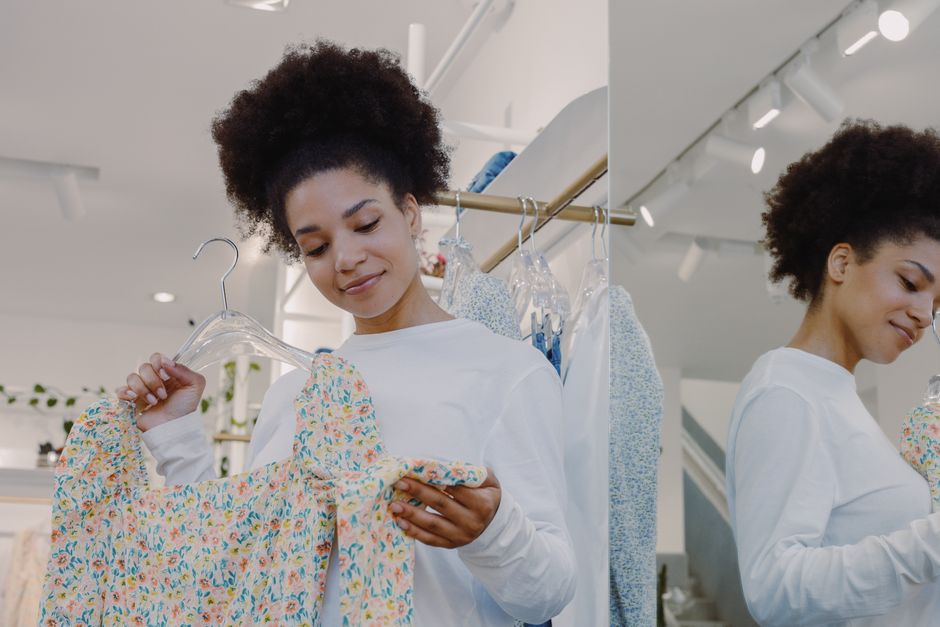
Choose Pact if your wardrobe needs soft cotton staples that you will wear several times a week. That is the brand’s strongest lane, and it stays there with less fuss than Everlane. Pact’s women’s tees and tanks are centered on organic cotton and Fair Trade factory production, with many everyday styles priced near the $20 mark. The appeal is simple: breathable fabric, relaxed comfort, and a price that makes replacing a worn-out white tee less painful.
Best Pact pieces for high-rotation outfits
The Pact Essential Short Sleeve Tee is the practical starting point. Use it under an overshirt, tuck it into jeans, or wear it with loose trousers. The fabric is soft rather than crisp, so it suits casual wardrobes better than formal offices. Pact’s organic cotton tanks also work well as base layers because they do not add much bulk under a cardigan or button-down.
The Everyday Legging is another useful category choice when comfort is the priority. It is not the right legging for hard training, intense compression, or long runs. It makes more sense for errands, flights, home wear, and casual weekend outfits. That distinction matters. Calling every soft legging activewear is how shoppers end up disappointed.
The Pact tradeoff
Pact’s relaxed approach can look too plain if every outfit in your closet follows the same formula. Soft cotton also shows wear faster when you wash it hot, tumble it on high, or buy a size that pulls across the chest. Pact is the winner for affordable rotation, but it is not the strongest pick for a blazer-ready wardrobe. Buy it for comfort and repeat wear, not for dramatic tailoring.
Everlane Wins When Basics Need Shape
Everlane is the better choice for basics that must look styled, not merely comfortable. Its Box-Cut Tee in Essential Cotton is a clear example: 100% organic cotton, a relaxed fit, a slightly cropped length, and a crew neck that works with high-rise denim or wide-leg pants. The standard price sits around $30, with occasional three-for-$69 offers. That is more than Pact’s usual tee pricing, but the cut gives the garment a stronger role in an outfit.
Why the Everlane fit feels more polished
Everlane pays closer attention to proportion. The Box-Cut Tee is not a long, clingy undershirt. It is designed to create a deliberate shape around the waist and shoulder. That makes a basic top easier to style with pleated trousers, a midi skirt, or a structured jacket. The slightly cropped hem can also reduce bunching when you tuck it in.
The Tank in Essential Cotton is another useful example. At a regular price of about $34, it costs more than many Pact tanks, but the cut is better suited to outfits that need a clean neckline and a closer fit. Everlane also offers more material variety across the larger collection, including linen, recycled cotton, TENCEL, hemp, and certified wool options.
When Everlane is not worth the extra cost
Do not pay more for Everlane if you only want a soft shirt for sleeping, cleaning, or weekend errands. The design advantage will disappear under a sweatshirt. Pact gives you more comfort per dollar in that situation. Everlane earns the premium when you can see the garment clearly and need its shape to carry the outfit.
How to Judge Sustainable Basics Without Falling for Labels
The best sustainable purchase is the one you keep wearing. A fiber label can help, but it cannot tell you everything about labor, dyeing, transport, durability, or what happens after the garment wears out. Use a short checklist before buying any supposedly responsible basic.
Read the fiber label first
- Check the percentage. A shirt labeled 100% organic cotton makes a different claim from a shirt containing 5% organic cotton and 95% conventional cotton.
- Look for the certification. GOTS and OCS address organic fiber claims, but they do not answer every question about wages, transport, or garment life.
- Spot the synthetic content. Elastane improves stretch but makes future recycling harder. A small amount may be useful in leggings or fitted tops; it is less useful in a basic tee that does not need stretch.
Then check the factory and care instructions
A brand that names its factory gives you more information than one that only says ethical or clean. Look for country of manufacture, third-party standards, material breakdowns, and a clear care guide. The care label is not decoration. Cold washing and low-heat drying can extend a cotton tee’s useful life, which often matters more than a small difference between two similar fiber claims.
Finally, judge the garment against your real habits. If you hate ironing, do not buy a shirt that needs pressing every morning. If you wash everything together, avoid a delicate piece that demands special treatment. The right basic matches your routine closely enough to survive it.
The Biggest Mistakes Sustainable-Basics Shoppers Make
The most expensive mistake is buying an eco-sounding garment you will not wear. A perfect fiber story cannot rescue a bad fit, weak neckline, or color that never leaves the closet. Sustainable shopping needs less moral drama and more attention to use.
Mistake one: buying for the label instead of the wardrobe
- Buying five organic tees before checking whether the neckline suits your outfits.
- Choosing beige because it looks minimal, then discovering it clashes with every coat you own.
- Buying a very thin fabric because it feels soft in the package.
- Assuming a higher price guarantees better construction.
Fix the problem by listing the job first. Do you need a fitted base layer, an oversized weekend tee, a work-appropriate tank, or a durable travel top? Different jobs need different weights and cuts.
Mistake two: ignoring washing and wear
Cotton basics shrink, fade, twist, and lose shape when treated roughly. Wash cold, turn dark colors inside out, skip unnecessary bleach, and use low heat. Air-drying is the safest choice when the garment already fits closely. If you use a dryer, remove the item while it is slightly damp instead of leaving it on a hot cycle for another hour.
Also inspect the stress points before buying: neckline stitching, side seams, hem width, and fabric recovery after stretching. A shirt that looks good only while perfectly flat on a product page is not a smart basic. Buy the garment that can handle your actual week.
Questions People Ask Before Choosing a Brand
Is Pact more sustainable than Everlane?
Pact has the clearer narrow focus. Its identity centers on organic cotton and Fair Trade manufacturing, so shoppers looking for simple cotton basics can understand the offer quickly. Everlane has the broader materials program and discusses organic, recycled, regenerative, traceable, and lower-impact fibers across different categories. That makes Everlane harder to judge with one simple label. The practical verdict is Pact for a cotton-heavy drawer and Everlane for a mixed-material capsule wardrobe.
Which brand has better quality?
Everlane usually has the advantage in cut, styling, and visible structure. Pact often wins on softness and low-cost repeat wear. Neither brand makes every item equally well, so compare the exact garment rather than treating the brand name as a quality guarantee. For a tee that needs to work under a jacket, choose Everlane’s Box-Cut Tee. For a tee that will rotate through lounging and casual layering, choose Pact’s Essential Short Sleeve Tee.
Should you buy sustainable basics at all?
Yes, but only after checking what you already own. Replacing a usable shirt because a new version has a better label creates more consumption, not less. Repair a loose seam, donate responsibly when the garment is finished, and replace the specific gap in your wardrobe. A small rotation of clothes that you wear hard beats a large collection of aspirational basics.
The 2026 Verdict: Build Your Wardrobe Around Use
Buy Pact for the best value in soft, high-rotation organic cotton basics. Choose Everlane when you need more shape, more fabric choices, or a top that can move into polished casual outfits. That is the cleanest answer to the Everlane vs. Pact question.
Choose Pact for comfort and quantity
Pact is the better first stop for white tees, tanks, leggings, underwear, pajamas, and travel layers. Its lower prices make it easier to build a useful rotation instead of washing the same two shirts every other day. The brand also makes sense for shoppers who want organic cotton and Fair Trade production without paying designer-level prices.
Choose Everlane for outfit structure
Everlane is the better choice for cropped tees, sharper tanks, linen pieces, denim, and basics that need to look intentional beside tailored trousers or a jacket. Its material range also gives you more room to build a wardrobe that is not made entirely from cotton.
Do not buy either brand on sustainability language alone. Check the exact fabric, fit, care demands, and likely number of wears. For most people starting a sustainable basics wardrobe in 2026, Pact should handle the comfortable foundation and Everlane should fill the polished gaps.
The single most important takeaway: choose Pact for affordable everyday comfort and Everlane for basics whose cut must carry the outfit.