
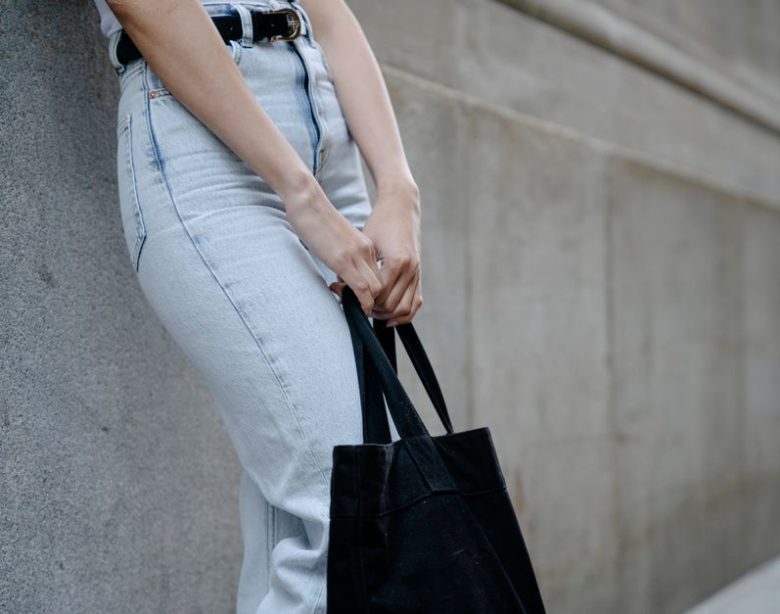
A green leaf on a hangtag does not make a pair of jeans responsible. The real test is harder: what cotton did the brand use, who made the jeans, how much processing did the fabric need, and what happens when the knees finally wear out? The strongest responsible denim brands answer those questions with records, certifications, repair services, and clear product details.
What Responsible Denim Actually Measures
Cotton is only the starting line
Denim begins with cotton, so farming choices matter. Conventional cotton can rely on synthetic pesticides, heavy irrigation, and large amounts of fertilizer. Organic cotton removes many of those inputs, but the word organic does not explain the full garment. Look for a recognized standard such as GOTS or OCS, then check how much of the finished pair carries that certification.
Recycled cotton can reduce demand for new fiber, but it usually has shorter fibers and often needs to be mixed with virgin cotton for strength. Regenerative cotton focuses on soil health and farm practices, yet claims vary by program. A strong label names the standard and the percentage, not just the general idea.
Factory and finishing decide the rest
After the cotton is spun and woven, indigo dyeing, washing, fading, sanding, and distressing shape the final product. Those steps can use water, energy, chemicals, and labor. A responsible brand tells shoppers where the jeans were sewn, how the fabric was dyed, and what labor standard covers the factory. Repair support matters too. A pair that lasts eight years beats a supposedly low-impact pair that gets discarded after one season.
Verdict: judge the full chain, not one attractive material claim. Cotton, factory conditions, finishing, and useful life all belong in the same decision.
Which Responsible Denim Brands Show Their Work?
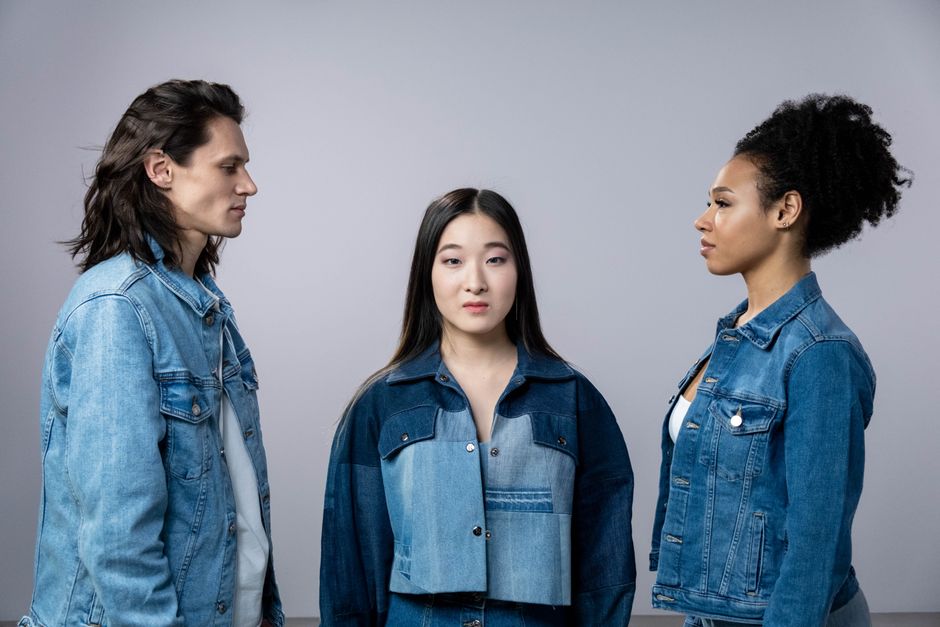
A quick comparison of credible options
| Brand and product | Documented details | Best use | Main catch |
|---|---|---|---|
| Patagonia Women’s Slim Jeans | €130 list price; 78% Regenerative Organic Certified cotton, 20% recycled cotton, 2% recycled elastane; 29-inch inseam; foam-dyed; Fair Trade Certified factory | Low-impact stretch denim | Slim fit will not suit every body |
| MUD Jeans Rick Mid Slim – Dry | €129.95 list price; recycled and organic cotton denim; L34 inseam is 83.5 cm | Circular-minded everyday jeans | The listed product was unavailable when checked |
| Kings of Indigo JANE | €150 list price; 100% GOTS-certified organic cotton; produced in Turkey; three-year repair warranty | Rigid, vintage-inspired flare | Less forgiving than stretch denim |
| Nudie Jeans | Free repairs on its jeans through repair shops and partners; repair kits are also available | Keeping one pair in service for years | Product prices vary by market and fabric |
The clearest winner depends on the proof you value
Patagonia has the strongest technical story in this group because it combines regenerative cotton, recycled fiber, foam dyeing, and Fair Trade Certified sewing in one named product. Kings of Indigo is the better pick for shoppers who want rigid denim and a clear repair promise. Nudie Jeans wins the longevity test because free repairs are part of the brand’s normal service, not a special campaign. MUD Jeans remains interesting for recycled content, but check availability and current program rules before assuming its lease model still applies.
The table shows the key point: responsible denim is not one feature. Each brand performs best in a different part of the chain.
How to Read a Denim Sustainability Claim
Use this five-step label check
- Find the fiber percentages. “Eco denim” is too vague. Look for organic cotton, recycled cotton, recycled elastane, or a named regenerative standard.
- Check the certification. GOTS covers more than the farm. OCS mainly verifies organic fiber content. Fair Trade Certified sewing addresses worker premiums at participating factories.
- Look for the factory location. A brand that names the country and supplier gives you more to assess than one that says “responsibly made.”
- Ask how the wash was created. Foam dyeing, laser finishing, ozone, and low-water processes can reduce some impacts, but the brand should explain which process it uses.
- Find the repair or resale path. A take-back promise is useful only when the brand explains what happens after collection.
Do not confuse one certification with a perfect garment
No single label covers every problem. Organic cotton does not prove good wages. Fair Trade sewing does not automatically mean low-water dyeing. Recycled fiber does not guarantee a durable fit. Read the claim as one piece of evidence, then check the other parts of the product page.
Best buying rule: choose the pair with the clearest combined evidence, not the loudest sustainability language.
Which Brand Wins for Each Kind of Denim Shopper?
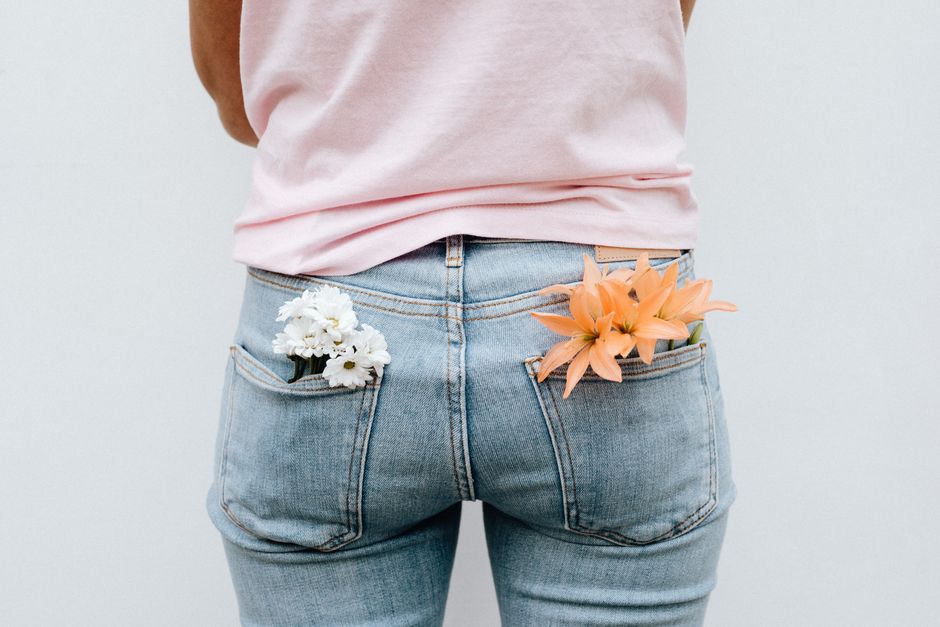
For the lowest-impact stretch option
Choose Patagonia Women’s Slim Jeans. The 78% Regenerative Organic Certified cotton, 20% recycled cotton, and 2% recycled elastane blend gives the fabric movement without turning the jeans into a mostly synthetic stretch garment. The 29-inch inseam suits a cropped or ankle-length look on many shoppers. The foam-dyed indigo process also gives this pair a stronger production story than a generic “water-saving” claim.
For repair-first wardrobes
Choose Nudie Jeans. Free repairs are the reason to buy the brand, not just the organic cotton message. A ripped crotch or worn pocket does not have to end the jeans’ life. Kings of Indigo is the better alternative for shoppers who prefer a rigid flare and want a three-year repair warranty, while MUD Jeans makes sense for someone who prioritizes recycled fiber and confirms that the chosen size is available.
Do not buy Patagonia for a rigid raw-denim experience, and do not buy Kings of Indigo JANE if you need soft stretch on day one. The right winner is the pair you will actually wear, wash carefully, repair, and keep.
What Goes Wrong When Responsible Denim Fails
The green label hides a short life
The first failure is buying jeans that do not fit well because the fiber story sounds impressive. A pair that pinches at the waist, bags at the seat, or twists at the knee will sit unworn. That is not a responsible purchase. Measure a pair you already love, compare the brand’s waist and rise measurements, and check the return window before removing tags.
The second failure is choosing too much stretch. Elastane improves comfort, but high-stretch denim can lose shape faster and is harder to recycle because mixed fibers are difficult to separate. For frequent wear, a low-stretch or rigid pair usually gives you a better repair and long-use path. If you need movement, a small percentage of recycled elastane is a more sensible compromise than a soft, thin fabric that never holds its shape.
Finishing and care create hidden tradeoffs
Heavy fading, shredded knees, resin coatings, and repeated washing can add impact before the jeans reach your closet. Distressing is also a weak investment: fashion changes, but a clean dark wash works through more outfits. Wash denim only when it needs it, turn it inside out, use cold water, and line dry when possible. Heat can shrink cotton and damage stretch fibers.
Price does not prove ethics
A $200 pair can still make vague claims, while a cheaper pair may use a certified fabric but provide little repair support. Price reflects labor, design, retail margins, and volume. It is not proof by itself. Demand named standards, factory information, and a useful aftercare plan.
How to Buy One Pair and Keep It in Rotation
Follow this buying workflow
- Start with your actual wardrobe. Pick the rise, leg shape, wash, and hem length that match at least five outfits you already wear.
- Set a wear target. If you expect to wear the jeans twice a week, choose a durable fabric and a classic cut rather than a trend-heavy finish.
- Compare garment measurements. Check waist, front rise, thigh, knee, leg opening, and inseam. Do not rely on the size number alone.
- Inspect the fiber mix. Prefer organic or recycled cotton with limited elastane when longevity matters.
- Check the repair plan before buying. Save the brand’s repair instructions and locate a tailor if no free service exists.
- Build a care routine. Air the jeans between wears, spot-clean small marks, wash cold when needed, and avoid high dryer heat.
Repair before replacing
A loose hem, broken belt loop, or small crotch hole is an easy alteration. Ask for reinforcement before the tear spreads. Keep spare buttons and a matching thread color at home. If the fit still works, a visible patch can add character and extend the useful life of the garment without pretending the repair never happened.
The most responsible new pair is the one that becomes a regular, not a precious item that stays folded in a drawer.
What Should You Buy in 2026?
Which brand is the best overall?
For most shoppers, Nudie Jeans is the strongest overall choice because free repairs make long-term use simple and visible. For a technical material story, choose Patagonia Women’s Slim Jeans. For a structured flare, choose Kings of Indigo JANE. For recycled cotton, consider MUD Jeans, but do not assume the old Lease A Jeans option is still open: MUD stopped accepting new lease subscriptions in June 2026.
Should you buy new denim at all?
Not always. If your current jeans fit, repair them. If you need a different cut, check secondhand first, especially for durable styles such as a classic straight leg or a dark rigid jean. Buying new makes sense when you need a specific size, rise, or fit that used listings rarely provide. In that case, buy one well-documented pair and plan to wear it for years.
The opening misconception has a simple answer. Responsible denim is not the pair with the prettiest green label. It is the pair with clear proof, a fit you will use, and enough support to survive the moment the first seam gives way.