

My first gender-neutral streetwear wardrobe looked flexible on paper and frustrating in real life. I owned plenty of oversized pieces, yet most outfits felt bulky, repetitive, or hard to wear outside casual settings. The fix was not buying more. It was treating fit, fabric, and cost like a wardrobe audit.
Why Gender-Neutral Streetwear Is Not One Universal Fit
The biggest myth is that gender-neutral clothing should fit everyone in the same way. It does not. A unisex label usually describes the design brief, not the final shape on every body. Shoulder width, rise, hip room, sleeve length, and fabric weight still decide how a garment looks and moves.
Roomy does not mean shapeless
I started with boxy T-shirts and wide trousers because they seemed like safe choices. The result was a stack of clothes with volume in the same places. A dropped shoulder combined with a low rise and a wide leg made my proportions disappear. The issue was not that oversized clothing looked bad. The issue was using three loose shapes in one outfit.
A better rule is to control volume in one main area. Pair a broad jacket with a straighter trouser. Wear wide-leg pants with a shorter or cleaner top. If the shirt falls below the widest part of the hip, check the side seam and hem before blaming your body. Small changes in length often do more than changing sizes.
Measure the garment, not the label
My most useful habit was recording measurements from clothes I already wore well. I measured the chest from armpit to armpit, the shoulder seam, the back length, the waist, the front rise, and the inseam. Then I compared those numbers with the seller’s size chart. This took five minutes and prevented several expensive returns.
Size labels are inconsistent across brands, and the problem becomes sharper with unisex ranges. A medium in one collection can have the chest of a large and the sleeve length of a small. For jackets, prioritize shoulder and sleeve measurements. For trousers, prioritize the rise and thigh room before waist width. A tailor can adjust a hem or waist, but changing the whole seat of a trouser is a larger job.
My verdict: the strongest gender-neutral wardrobe is built around repeatable measurements, not a promise that one cut suits every person.
How to Build the Wardrobe Around Movement
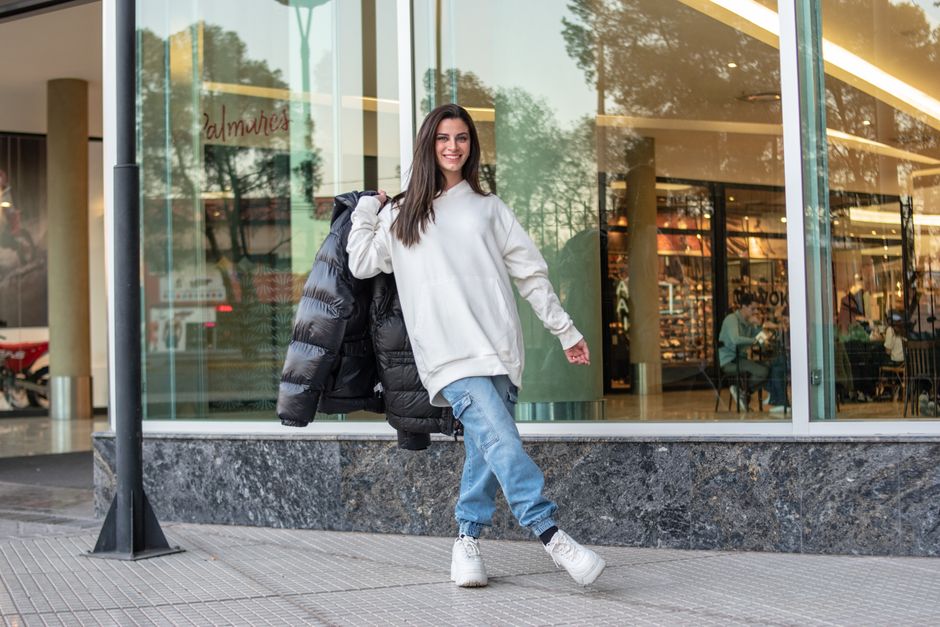
A streetwear wardrobe has to work while walking, sitting, carrying a bag, and moving through changing weather. I now test every potential purchase with the same short process. It keeps style decisions tied to real use instead of a product photo.
The five-point wear test
- Reach forward. Put both arms out as if you are holding a train pole. If the jacket pulls across the back, the shoulders are too narrow or the fabric has too little ease.
- Sit down. Check the trouser rise and waistband while seated. A waistband that digs in after five minutes will not become comfortable through optimism.
- Raise one knee. This tests thigh room and crotch depth. It matters for cargo pants, heavy denim, and any cut meant for active movement.
- Layer a sweatshirt underneath. Outerwear should leave enough space for a mid-layer without forcing the shoulders forward.
- Walk for ten minutes. Notice heat, pocket placement, hem drag, and whether the fabric catches on your shoes.
Use a three-outfit minimum
I only keep a new piece if I can build three different outfits with what I already own. One outfit must work for ordinary daytime errands, one for a social setting, and one for poor weather. This rule stopped me from buying statement items that looked exciting alone but had no support in the closet.
Color also needs a job. Black, washed navy, gray, cream, olive, and faded brown can share a wardrobe without creating a uniform. I use one stronger color at a time, usually through a cap, sneaker, bag, or overshirt. That gives the outfit direction while keeping the main layers interchangeable.
The clear winner for daily wear is a wardrobe with moderate ease, flexible fabric, and controlled contrast. Extreme silhouettes have a place, but they should be deliberate purchases rather than the default shape of every item.
Which Streetwear Pieces Earn Their Cost?
Once the fit system was working, I compared recognizable pieces by cost per useful outfit. The goal was not to find the cheapest garment. Cheap clothing becomes expensive when it twists, fades, shrinks, or works with only one pair of shoes.
| Product | Typical retail price | Useful detail | My wardrobe verdict |
|---|---|---|---|
| Dickies 874 Work Pant | About $30 | Poly-cotton twill, straight workwear cut, multiple neutral colors | Best low-cost foundation for a first streetwear wardrobe |
| Levi’s 501 Original Jeans | About $80 | Button fly, straight leg, rigid and stretch versions available | Best for a recognizable denim shape with long-term styling range |
| Carhartt WIP Newel Pant | About $128 | Relaxed tapered fit, heavyweight cotton twill, workwear finish | Best premium trouser when you want room without a very wide leg |
| Converse Chuck 70 | About $95 | Canvas upper, rubber toe cap, high-top and low-top options | Best versatile sneaker for balancing wide trousers and cropped hems |
| Nike Air Force 1 ’07 | About $115 | Leather upper, cushioned sole, substantial low-top profile | Best when a clean, heavier sneaker should anchor loose clothing |
Where the cheaper choice wins
The Dickies 874 is the strongest value in this group. At roughly $30, it gives a wardrobe structure that a soft jogger cannot provide. The straight leg also works with cropped jackets, long coats, and simple hoodies. Its tradeoff is comfort during the first few wears and a fabric that can feel stiff before washing.
The Levi’s 501 earns its higher cost when denim is a major part of your rotation. It creates a clear shape without relying on a gendered cut. Choose the rigid version for a firm vintage line and the stretch version for easier sitting and walking. I would not buy both immediately; they occupy a similar role.
When the premium option makes sense
The Carhartt WIP Newel Pant is the better choice for someone who wants workwear weight with a cleaner taper. It costs more than the Dickies because the fabric and finish feel more substantial, but the difference is not essential for a starter closet. The Converse Chuck 70 is also more useful than a fashion sneaker with an unusual color blocking because its simple shape stays relevant across seasons.
For my wardrobe, the purchase order is clear: start with the Dickies 874, add one pair of Levi’s 501 jeans, then choose either the Converse Chuck 70 or Nike Air Force 1 ’07 based on the trouser volume. Buying all five at once would create overlap, not range.
The Expensive Mistakes I Had to Remove
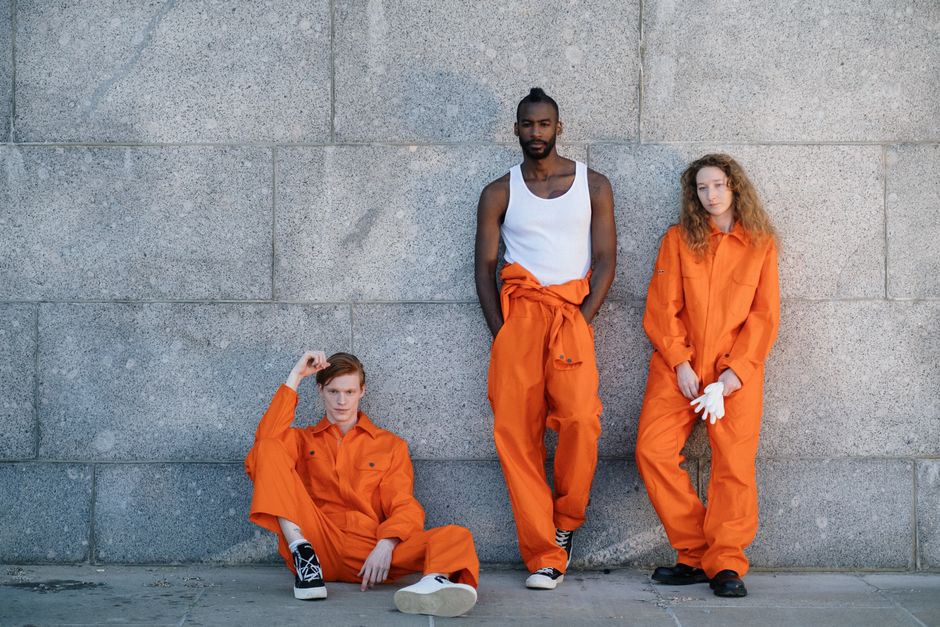
My strongest recommendation is to buy fewer dramatic pieces and spend the savings on fit. A gender-neutral streetwear wardrobe becomes costly when every item tries to be the focal point.
Mistake one: treating oversized as a size-up strategy
Buying two sizes larger does not recreate a designed oversized fit. It can create long sleeves, a low armhole, and a hem that lands in an awkward place. The fabric may also sit away from the body instead of creating a clean line. If you want a large silhouette, look for a garment cut with a wider body and adjusted sleeve proportion.
Mistake two: buying fabric without checking care
Heavy cotton feels impressive in a store, but it can shrink, hold heat, or become difficult to dry. Check the washing instructions before buying. A jacket that needs specialist cleaning may have a lower cost per wear than a cheaper garment only if you actually maintain it. For everyday pieces, I favor cotton twill, midweight denim, fleece, and nylon blends that can handle ordinary washing.
Another mistake was assuming neutral colors automatically combine. Two shades of black can clash when one is blue-black and the other is faded charcoal. White can also look too sharp beside worn gray. I now compare new colors with my actual shoes and outerwear under natural light, not only beneath fitting-room LEDs.
Do not buy a cargo pant simply because pockets are visible in street-style photos. Extra pockets add bulk and can distort the line when filled. If you carry only a phone, keys, and cardholder, a cleaner trouser with one secure back pocket may serve you better.
Questions I Ask Before Buying Another Layer
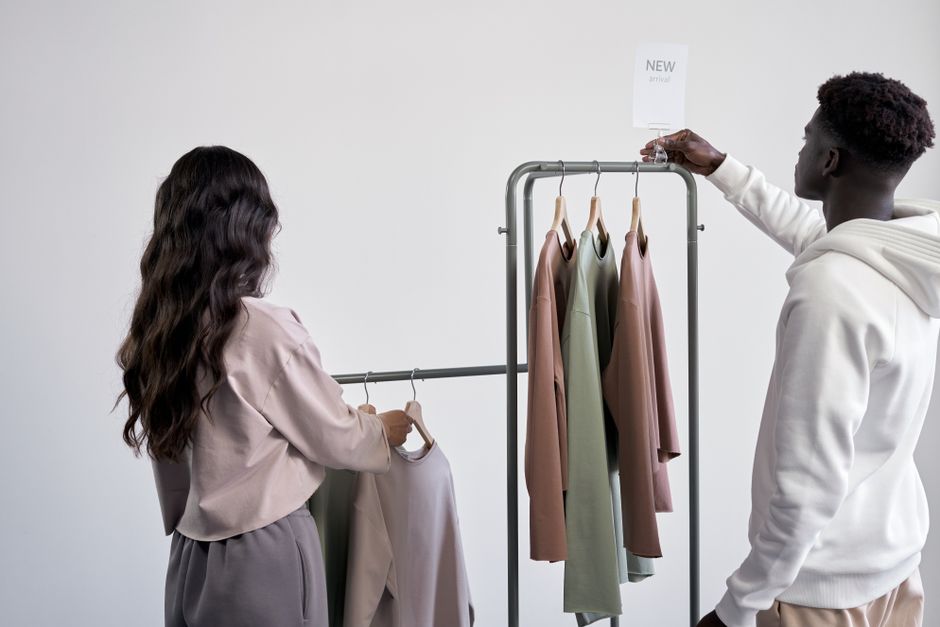
Will this jacket work over my thickest sweatshirt?
If the answer is no, the jacket has a narrow season of use. I check the chest, shoulder, and sleeve length while wearing my heaviest mid-layer. A little extra room is useful, but too much fabric can create friction under the arms. For most wardrobes, a medium-weight overshirt or chore jacket offers more days of wear than a highly insulated fashion piece.
Does this item add a new function?
A second black hoodie is not automatically useful. I ask if it brings a different weight, neckline, hem length, or texture. A lightweight zip hoodie can layer under a coat, while a heavyweight pullover may work as outerwear in mild weather. If two pieces create the same outfit, I keep the one with better fabric and easier care.
When should I skip the purchase?
Skip it when the size chart is missing, the return policy is unclear, or the product photos hide the side and back view. Skip it when the garment needs an entire new outfit to look intentional. Also skip it if the price depends on a logo while the fabric, stitching, and measurements look ordinary.
My final wardrobe test is simple: can I wear the piece at least twice in the next ten days, with clothes I already own, in weather I actually experience? If not, it is editorial fantasy rather than a useful purchase. For someone building a gender-neutral streetwear wardrobe from scratch, the Dickies 874, one well-measured straight denim cut such as the Levi’s 501, and a durable everyday sneaker such as the Converse Chuck 70 are the clearest starting point because they deliver the most outfit range for the least financial risk.