
A slip dress does not need to disappear when temperatures drop. The right base layer, jacket shape, and winter shoe can turn its fluid silhouette into a practical cold-weather outfit without making it look bulky.
What to Wear Under a Slip Dress in Cold Weather
The first layer decides if a slip dress looks intentional or improvised. Choose a fabric that adds warmth while staying close to the body, then check the neckline and sleeve length before adding anything on top. A smooth base layer works best because ribbed knits and thick seams can show through satin or lightweight viscose.
Choose the base layer by temperature
| Weather | Best layer | Why it works |
|---|---|---|
| 55 to 65 degrees Fahrenheit | Fine cotton mock neck or fitted long-sleeve tee | Adds coverage without changing the dress shape. |
| 40 to 55 degrees Fahrenheit | Uniqlo HEATTECH Extra Warm Cotton Crew Neck Long Sleeve T-Shirt | The cotton-rich, close-fitting layer gives more warmth than a basic tee while staying fairly smooth. |
| Below 40 degrees Fahrenheit | Merino wool base layer with thermal tights | Merino manages moisture and adds insulation without the bulk of a sweatshirt. |
Match the neckline and sleeve
A crew-neck base layer makes a square-neck or scoop-neck slip dress look more casual. A mock neck creates a cleaner, sharper frame under a V-neck dress. Keep the base layer fitted at the wrists and waist so the dress can move over it. If the dress has narrow straps, avoid a thick shoulder seam that sits directly under the strap. That small detail can make the entire outfit look lumpy.
For a polished daytime outfit, use a black or cream base layer under a dress in navy, brown, burgundy, or olive. Match the base layer to the tights when you want a longer visual line. Contrast it when you want the neckline to become the main feature.
Why Proportion Matters More Than More Layers
The key styling decision
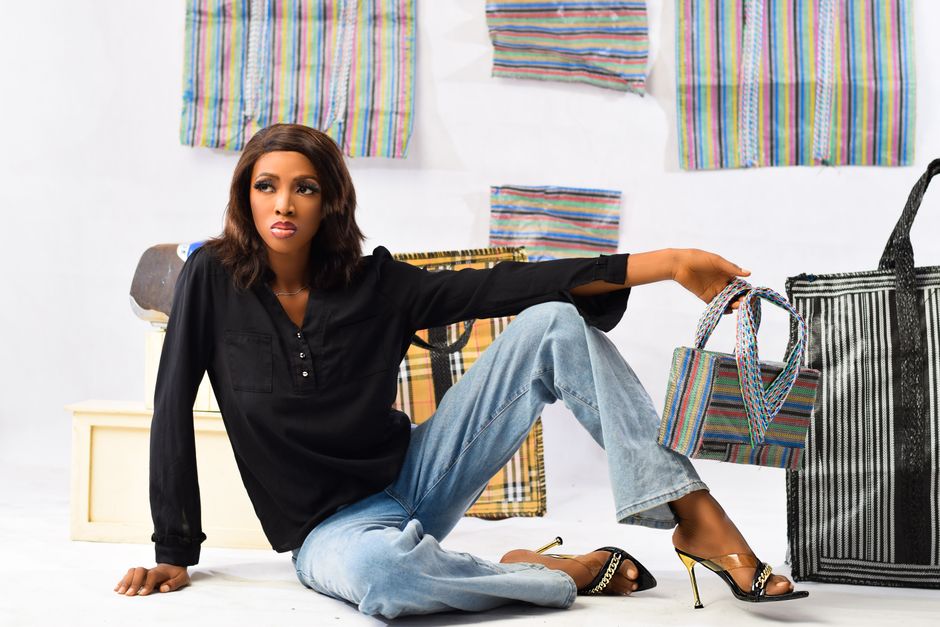
Keep one part of the outfit slim and let only one outer layer carry volume. A slip dress already has a narrow, falling line, so adding a fitted base layer and an oversized sweater can create too much fabric at the waist and hips; the stronger formula is a close base layer, a dress that skims rather than clings, and one structured coat or cropped knit that ends at the waist or high hip.
Use length to control the silhouette
When the dress reaches mid-calf, choose boots that meet the hem or sit several inches below it, because a small strip of exposed leg can break the line and make the outfit feel accidental; if the dress falls just above the ankle, a taller boot creates a cleaner column, while a cropped jacket keeps the look from becoming long and flat.
Build contrast with texture
Use texture instead of extra color to make winter layering look considered: smooth satin against brushed wool, matte tights against a glossy dress, or leather boots against a soft knit gives the eye a clear order, and that order matters more than matching every shade exactly.
Which Boots Work With a Slip Dress in Winter
Boots do more than keep your feet warm. They set the attitude of the outfit and determine how delicate or grounded the dress appears. The best choice depends on the hem, the amount of walking, and the visual weight of your outer layer. Thin strappy shoes usually make a winter slip dress look unfinished, even if the rest of the outfit is warm.
Pick ankle boots for a sharper outfit
Ankle boots work best with a midi slip dress when the dress stops two to four inches above the boot shaft. A pointed toe lengthens the leg and gives the dress a dressier feel. A square toe looks more modern and balances a boxy coat. The Dr. Martens 1460 Smooth Leather Lace Up Boots have eight-eye lacing and an air-cushioned sole, so they add enough weight to make a silky dress work for daily errands. They are the strongest choice for a casual, slightly rebellious outfit, but the firm leather may need breaking in before a full day of walking.
Use knee-high boots for warmth
Knee-high boots are the most useful option when the dress has a high side slit or a hem that leaves a large area of leg exposed. Wear opaque tights underneath so the boot and hosiery read as one continuous layer. A narrow shaft looks refined under a straight slip dress, while a wider shaft works better when the dress has room through the skirt. Keep the boot color close to the tights for a longer line.
Know when chunky boots are too heavy
Thick lug soles can balance a long coat, but they can overpower a very thin dress. If the boot has a broad sole, add another strong element at the top, such as a leather jacket, cropped puffer, or substantial scarf. The outfit then has weight at both ends instead of looking top-heavy. For a softer look, choose a low-profile Chelsea boot with a one-inch or two-inch heel.
My clear pick is a knee-high leather boot for the coldest days and an eight-eye lace-up boot for casual fall outfits. Sneakers can work in early fall, but they are the weakest choice once rain, snow, or icy sidewalks enter the picture.
A Five-Step Outfit Formula for Cold Days

Use this sequence when you want to get dressed quickly without losing the shape of the slip dress.
- Start with a smooth base. Choose a fitted crew neck, mock neck, or merino long-sleeve top. The Uniqlo HEATTECH Extra Warm Cotton Crew Neck Long Sleeve T-Shirt is useful here because its Extra Warm tier adds insulation while its close fit stays under thin fabric. Check the armholes before leaving home; visible bunching means the layer is too large.
- Add leg coverage. Wear 80-denier or heavier tights for a polished city outfit. For temperatures below freezing, add a thin thermal tight underneath rather than jumping straight to a bulky fleece pair. The two-layer approach gives warmth while keeping the ankle and shoe line neat.
- Choose one warm middle layer. A fitted cardigan, cropped sweater, or thin vest adds warmth without hiding the entire dress. A COS Merino Wool Crew-Neck Sweater, made from 100% merino wool, can sit over the dress if the dress fabric is smooth and the sweater hem ends near the waist. Use a slim belt over the sweater only when the dress is not pulling underneath.
- Finish with a coat that has room. A single-breasted wool coat creates a clean dressy line. A cropped puffer gives a casual result. A coat that ends exactly at the widest part of the thigh can make the outfit look cut in half, so choose a hem above the hip or below the knee.
- Repeat one detail. Match the boot color to the bag, belt, or gloves. Repeat the dress color in a scarf or small accessory. This creates cohesion without requiring an identical monochrome outfit.
For a reliable daytime combination, wear a black slip dress, black thermal tights, black lace-up boots, a cream merino sweater, and a charcoal wool coat. The dark base keeps the line long, while the cream knit prevents the outfit from looking flat.
When a Slip Dress Is the Wrong Choice
Do not force a slip dress into weather it cannot handle. If you will stand outside for an hour, walk through wet snow, or spend the day moving between heated and unheated spaces, a heavier knit dress or wool midi may be the better garment. Styling can add layers, but it cannot change the insulation level of a thin skirt.
Watch for fabric problems
Satin and lightweight silk show every layer underneath. If the base top has a high-contrast color, thick ribbing, or a bulky seam, the dress may twist around it as you walk. Test the outfit by sitting, climbing stairs, and reaching forward. If the dress rides more than two inches above its original position, use a smoother base or choose a less slippery fabric.
Avoid the bulky middle
The most common mistake is putting a large sweater under a fitted dress. The sweater bunches at the waist, the straps shift, and the skirt catches on the knit. Put the sweater over the dress instead, or replace it with a thin thermal layer. If you want visible knit texture, let the sweater be the main top layer and keep the rest of the outfit simple.
Choose an alternative when needed
For wet conditions, choose a ponte knit dress with thermal tights and water-resistant boots. For a formal winter event, choose a velvet or wool-blend midi dress instead of a delicate satin slip. For broad shoulders or a fuller bust, a dress with wider straps and a square neckline often sits better under a coat than a narrow cowl-neck style.
The slip dress wins for indoor events, mild fall days, and layered city outfits. It loses when the weather demands wind protection, waterproofing, or serious insulation.
Slip Dress Questions, Answered
Can you wear a slip dress over a sweater?
Yes, but the sweater must be thin and close to the body. A fine-gauge turtleneck or fitted merino top slides under the dress more easily than a chunky cable knit. Keep the sweater and dress in related colors if you want a quiet, polished outfit. Use strong contrast if you want the layering to look deliberate, such as a black dress over an ivory top. Avoid a sweater with a large sleeve cuff because it can distort the strap and armhole.
What coat looks best with a winter slip dress?
A long wool coat is the safest choice because it follows the vertical line of a midi or ankle-length dress. A cropped jacket works when the dress has a high waist or when you want a casual proportion. The North Face 1996 Retro Nuptse Jacket has a boxy shape and 700-fill down, so it works best with a slim slip dress, opaque tights, and sturdy boots. Do not pair that jacket with a wide sweater and a full slip skirt unless you want a deliberately oversized look.
How do you stop a slip dress from clinging to tights?
Use a half slip with an anti-static finish, apply a small amount of fragrance-free body lotion to dry skin, and check the fabric before adding layers. A pair of smooth, matte tights usually creates less friction than a heavily brushed fleece pair. If the dress still clings, wear a lightweight full slip or choose a thicker crepe fabric. Do not pin the skirt to the tights; the pin can pull the fabric and leave a visible hole.
Can a slip dress look professional in winter?
Yes. Choose a midi length, a higher neckline, opaque tights, closed-toe boots, and a tailored coat. Keep jewelry small and let one structured item, such as a leather bag or belt, sharpen the outfit. The result looks professional because the proportions are controlled, not because every piece is formal.
For most fall and winter wardrobes, the winning formula is simple: smooth base layer, opaque tights, one strong coat, and boots with enough visual weight to ground the dress.