
A $298 dress becomes $327.80 in a place with a 10% sales-tax rate, before shipping or alterations. That small detail changes the winner for shoppers with a strict $300 ceiling. Sales-tax rules vary by state, so the example is only a budgeting illustration. For most U.S. shoppers, Reformation is the better full-price choice; House of CB wins only when its listed price converts below your real limit and you want a more sculpted, evening-focused fit.
Which brand gives more dress for a $300 budget?
The two brands solve different wardrobe problems. Reformation leans toward polished dresses that can work at weddings, dinners, and future events. House of CB concentrates on corsetry, contouring, satin, lace, and high-impact evening shapes. The price gap looks smaller on a product page than it can become at checkout, because House of CB displays many current styles in pounds on its international-facing pages.
| Dress | Listed price | Best use | Budget finding |
|---|---|---|---|
| Reformation Magnus Dress | $298 | Fitted midi with ruffles and side ruching | Under $300 before tax |
| Reformation Kline Silk Dress | $248 | Silk occasion dressing | Leaves room for tax or tailoring |
| Reformation Allissa Dress | $278 | Polished guest dressing | Under the cap before tax |
| House of CB Carmen Dress | £149 to £169 | Cotton bustier sundress | Check currency, tax, and shipping |
| House of CB Samaria Dress | £189 to £199 | Corset midi or mini styling | May exceed a U.S. all-in cap |
| House of CB Angeline Dress | £199 | Satin hourglass maxi | Currency conversion matters |
The clearest value line
Reformation’s Kline Silk Dress at $248 is the safest starting point for a formal event because it leaves approximately $52 before tax. That buffer can cover a hem, fashion tape, or part of the delivery cost. The Magnus Dress is more dramatic at $298, but its current product information describes ultra-lightweight, fully lined viscose georgette, dry-clean-only care, and a small fit. It is a strong visual choice, not the safest budget choice.
The comparison verdict
Choose Reformation for a U.S. wedding guest wardrobe, especially when the dress must arrive with enough time for tailoring. Choose House of CB for a body-conscious party silhouette only after converting the total price into your currency. The Reformation occasion edit confirms the brand has a dedicated under-$300 selection, while House of CB’s current listings show why currency and delivery costs need closer review.
How to test an occasion dress before buying it

The best dress is not the one that looks most impressive in a single product photo. It is the one that survives sitting, walking, eating, dancing, and normal lighting. Use this short check before placing an order.
Run these five checks
- Read the fabric content. Silk, viscose, polyester, cotton, and stretch blends behave differently under flash photography, heat, and movement.
- Measure your body, not your usual size. Record bust, waist, hip, and shoulder-to-hem measurements. Compare them with the brand’s size chart.
- Check the support system. A strapless or low-back dress needs internal structure, grip, cups, or a bra plan. A beautiful neckline is a liability if you spend the event pulling it up.
- Calculate the real total. Add sales tax, shipping, alteration costs, return shipping, and currency-conversion charges. A $278 list price may not be a $278 purchase.
- Test the care burden. Dry cleaning after one wear can change the cost-per-wear calculation. Hand-wash instructions can also be a poor match for travel.
The movement test
Imagine the first ten minutes of the event. Sit in the dress, lift both arms, take a long step, and bend slightly at the waist. If the lining climbs, the bust shifts, or the slit opens farther than expected, treat that as a fit problem rather than a styling challenge.
The photo test
Look for front, side, back, and close fabric views. Satin can show pull lines around the waist. Thin georgette can reveal seams or undergarments. Lace can look dense online but become transparent under direct light. Buy only when the dress still makes sense without the model’s pose, lighting, and accessories.
Why the venue should decide the silhouette
A special occasion dress has a practical job: it must match the room, the weather, the ceremony, and the amount of movement expected. Starting with a body trend or social-media photo often leads to the wrong purchase. A formal ballroom, garden ceremony, restaurant, and rooftop party each reward a different balance of coverage, length, and structure.
For weddings and daytime ceremonies
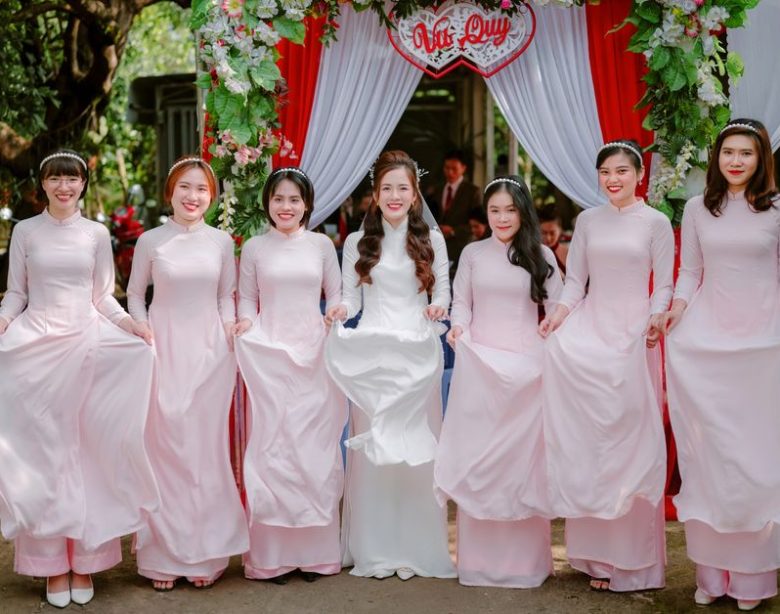
A midi or tea-length dress usually gives the best balance of polish and movement. Choose a stable shoulder, moderate neckline, and fabric that will not crease after a one-hour car ride. Light colors can work for many guest settings, but pure white, bridal ivory, and very pale champagne create an avoidable etiquette problem. Prints, muted color, and soft texture create interest without making the outfit look like eveningwear.
For evening parties and formal dinners
Longer lengths, clean drape, and a stronger waist shape make more sense after dark. A fitted dress can look refined when the fabric has enough weight to hold its line. Very thin fabric may cling to undergarments or show every crease after dinner. A high slit, open back, and plunging neckline in the same dress can also make sitting and movement harder than the photograph suggests.
The winning decision rule is simple: choose the most formal silhouette the venue requires, then remove one dramatic detail. That usually produces a dress that looks intentional instead of overworked. For a warm outdoor event, breathable fabric and secure straps matter more than a perfect hourglass outline. For a seated evening event, lining, stretch, and a comfortable waist matter more than an extra few inches of skirt.
Which brand wins for each occasion?
Reformation wins the broadest comparison. House of CB wins a narrower brief: a structured, attention-heavy evening look with visible corset shaping. The right verdict depends on the job the dress must perform, but the budget winner for most U.S. shoppers is clear.
Is Reformation better for a wedding guest dress?
Yes. The Allissa Dress at $278 is the stronger wedding-guest direction because Reformation offers a wide occasion range and the brand’s dresses are easier to place in a daytime-to-evening wardrobe. The Kline Silk Dress at $248 is the best pick for a more formal dinner because it leaves a useful price buffer. The Magnus Dress at $298 is the statement option, but buy it only if the final-sale status, small fit, and dry-cleaning requirement work for you.
Is House of CB better for a party dress?
Yes, if the goal is a defined waist and a more theatrical silhouette. The House of CB Carmen Dress at £149 to £169 is the most practical choice from the listed examples because its cotton bustier design suits warm-weather events. The Samaria and Angeline styles create a stronger evening effect, but their pound-denominated prices can move above a U.S. $300 ceiling after conversion, tax, and delivery. For a hard budget, House of CB is a conditional choice, not the default winner.
What can go wrong after checkout?

My firm recommendation: never spend the full $300 on the dress itself. Keep at least $25 to $50 for tax, tailoring, delivery, or a return. This single rule prevents the most common budget failure: buying a dress that technically fits the price promise but cannot be worn comfortably or returned in time.
Fit, final sale, and timing risks
Check the return deadline before ordering, especially for final-sale styles. Reformation’s Magnus product page currently identifies the dress as final sale and says it runs small, which makes a rushed purchase risky. House of CB items may also have different rules by country, promotion, or item status. Order early enough for one try-on, one possible exchange, and one alteration appointment. Keep tags attached, protect the garment from makeup, and photograph the package if it arrives damaged.
What U.S. consumer law actually changes
This is a general U.S. shopping note, not an application of a specific state law. The federal rules do not create a universal right to return an online dress simply because you changed your mind. California, New York, and other states have different disclosure and consumer-protection rules, so check your state attorney general for details. The Federal Trade Commission advises shoppers to review refund terms, shipping promises, deadlines, and payment protections before ordering. Save the receipt and confirmation email. FTC return guidance can help when a seller does not follow its stated policy. This is not legal advice — consult a licensed attorney.
That brings the comparison back to the opening $298 example. A dress at the ceiling leaves no room for the costs that make special-occasion shopping go smoothly. For most U.S. buyers, Reformation’s $248 to $278 options are the smarter purchase; House of CB earns the recommendation only when its stronger shape is worth the currency and return-policy risk.