

Your winter routine worked in February, but now your forehead looks shiny by lunch, your cheeks still feel tight after cleansing, and your heavy cream sits on top of your skin instead of sinking in. That is the usual sign that spring calls for a reset, not a complete product overhaul.
The best spring skincare routine removes excess weight while keeping the two things that matter most: enough water in the skin and reliable UV protection. Use the steps below to switch gradually, avoid common irritation, and spend money only where the change in weather actually requires it.
Why spring skin needs lighter layers, not fewer safeguards
Warm air changes how products feel
Cold outdoor air, indoor heating, and long hot showers can leave winter skin short on water. Spring brings higher humidity and more sweating, so the same balm or rich occlusive cream can suddenly feel greasy. That does not mean your skin has stopped needing support. It means the balance between water-based hydration and oil-based protection has changed.
Think of your routine as two separate jobs. Humectants such as glycerin, hyaluronic acid, and panthenol pull water toward the outer layers of skin. Emollients smooth rough patches. Occlusives slow water loss by forming a more protective layer. Winter routines often rely heavily on the third group. In spring, many people can reduce the occlusive step without removing hydration altogether.
Humidity is not a free moisturizer
Humid weather may make skin feel softer, but it does not replace a cleanser, moisturizer, or sunscreen. Sweat contains salt and can mix with sunscreen, makeup, and city pollution. That mixture can feel sticky and may contribute to clogged pores around the hairline, nose, and jaw.
The practical fix is simple: keep a gentle cleanser at night, use less cream in the morning, and reapply sunscreen after heavy sweating. Do not scrub harder just because your face feels oily. Friction can damage the barrier and leave dry areas even shinier as the skin tries to recover.
Sun protection becomes the non-negotiable step
Longer days mean more incidental exposure during walks, commutes, outdoor lunches, and car rides. A lighter routine should never mean a lighter sunscreen habit. Choose a broad-spectrum SPF 30 or higher, apply enough for the face and neck, and reapply when you stay outdoors for two hours or after sweating.
Best spring principle: reduce texture and layering before reducing protection. Your skin should feel comfortable by midday, not stripped, tight, or unprotected.
The spring reset is simple: remove one heavy layer before buying anything
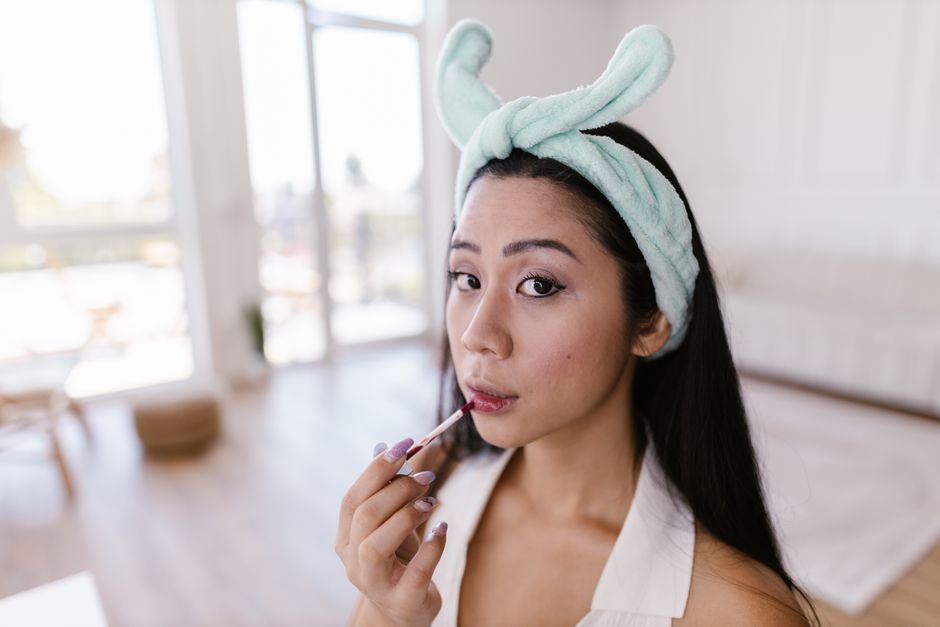
My strongest recommendation is to change only one part of the routine every five to seven days, starting with the heaviest morning layer, because a sudden switch from a balm cleanser, rich cream, facial oil, exfoliating toner, and strong treatment to a bare face makes it impossible to tell what caused dryness, stinging, or breakouts; instead, keep your cleanser and sunscreen stable, replace a dense cream with a lotion first, then decide whether you still need an essence or face oil, since many people discover that the real problem is product overlap rather than a lack of hydration, and if your cheeks remain tight after this change, add water-based hydration before adding more oil, while anyone using prescription acne treatment, retinoids, or post-procedure skincare should keep the routine conservative and follow the instructions from their clinician rather than copying a seasonal trend from social media.
How to build a four-step morning routine for spring
Step 1: Clean only as much as your skin needs
If your skin feels comfortable when you wake up, rinse with lukewarm water instead of using a foaming cleanser twice a day. If you wake up sweaty or oily, use CeraVe Hydrating Facial Cleanser, which typically costs about $14.99 for 12 fluid ounces in the United States. It removes surface residue without leaving the squeaky feeling that often leads people to apply too much cream.
Step 2: Add one lightweight hydration layer
Use a thin essence or serum only if your skin feels tight after cleansing. COSRX Advanced Snail 96 Mucin Power Essence, around $25 for 100 ml, is a good choice for dry or irritated skin because it adds slip and hydration without the weight of a facial oil. Apply one to two pumps to slightly damp skin, then wait about 30 seconds before moisturizer.
Step 3: Finish with moisturizer and sunscreen
- Use a pea-sized amount of La Roche-Posay Toleriane Double Repair Face Moisturizer, usually about $23 for 3.38 ounces, if your cheeks feel dry.
- Skip or halve the moisturizer amount on the forehead, nose, and chin if those areas become shiny quickly.
- Apply two finger lengths of sunscreen to the face and neck. Beauty of Joseon Relief Sun: Rice + Probiotics SPF50+ PA++++ costs about $18 for 50 ml and works well for people who want a light, non-matte finish.
- Wait 10 to 15 minutes before makeup so the sunscreen can settle instead of mixing with foundation.
For most people, this four-step version is enough. Adding a mist, toner, eye cream, face oil, and separate primer often creates more pilling than better skin.
Choose your spring moisturizer and sunscreen by skin signal
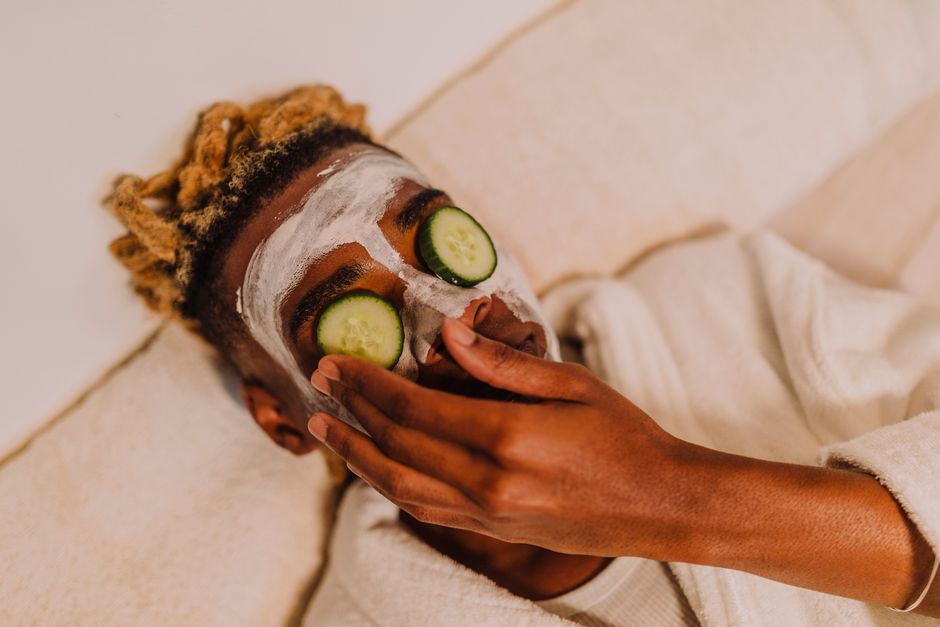
The right spring combination depends less on a label such as “combination skin” and more on what happens two hours after application. Use this quick comparison before replacing your entire shelf.
| What you notice by midday | Moisturizer approach | Sunscreen finish | Best spring decision |
|---|---|---|---|
| Cheeks feel tight but forehead is shiny | Lotion on the cheeks only | Natural or satin finish | Keep targeted moisture instead of using a heavy cream everywhere |
| Skin feels greasy within one hour | Gel cream or no separate morning cream | Light fluid or gel texture | Reduce layers first; do not increase cleansing strength |
| Flakes appear around the nose | Simple barrier-supporting cream | Comfortable cream sunscreen | Pause exfoliating acids for one week |
| Makeup separates over sunscreen | Use less moisturizer and allow it to dry | Thin, low-pilling formula | Test the full morning stack before buying a primer |
For dry or sensitive skin
Choose La Roche-Posay Toleriane Double Repair Face Moisturizer and keep the amount small but consistent. The best sunscreen finish for this group is comfortable and slightly dewy, not aggressively matte. If sunscreen stings, check for fragrance, alcohol-heavy formulas, or damaged skin before assuming you need a stronger moisturizer.
For oily or acne-prone skin
The Ordinary Niacinamide 10% + Zinc 1%, about $6.40 for 30 ml, can be a low-cost option for people who want a simple oil-control serum, but start every other morning because the high niacinamide percentage irritates some users. Pair it with a gel moisturizer or use sunscreen alone if the sunscreen already feels moisturizing. My pick for this group is fewer layers, not harsher cleansing.
For normal or combination skin
Use moisturizer where you feel dryness and leave it off oily zones when your sunscreen provides enough slip. Beauty of Joseon Relief Sun SPF50+ is the clearest pick when you want one comfortable product that sits well under makeup. It is not the right choice if you need a fully matte finish or spend hours sweating outdoors; choose a sport-focused sunscreen instead.
My spring recommendation: simplify first, then adjust for sweat
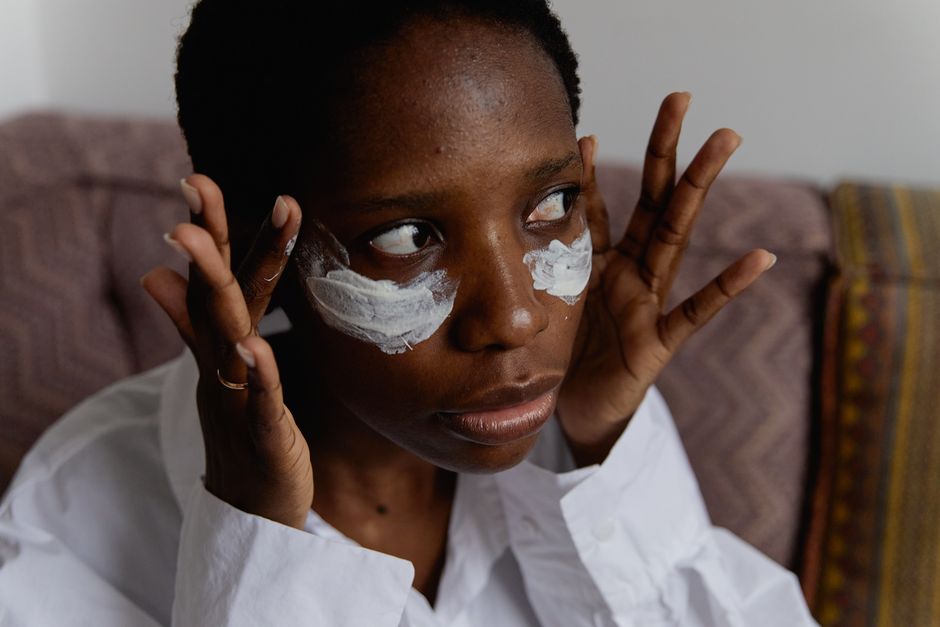
Start with three morning products: a gentle cleanser or water rinse, a light moisturizer when needed, and broad-spectrum sunscreen. Keep treatment products in the evening until you know how your skin responds to warmer weather. This setup has the best balance of comfort, protection, and low irritation risk.
Common mistakes to avoid
- Replacing every product on the same day, which hides the cause of a reaction.
- Using a harsh foaming cleanser to remove normal spring shine.
- Applying a full winter-sized amount of cream under a moisturizing sunscreen.
- Skipping sunscreen because the sky looks cloudy or the temperature feels mild.
- Adding several new acids, retinoids, or brightening serums before a weekend outdoors.
When not to buy a new spring product
Do not buy a new serum just because your skin looks shiny at noon. First test whether using half as much moisturizer solves the problem. Do not buy a matte sunscreen if your current sunscreen feels comfortable and your makeup lasts; a finish change alone is not a skin need. Do not buy a complete routine bundle when one cleanser or cream is the only item causing trouble.
A routine that can change with the weather
Keep the basic structure steady and adjust the amount. On cool spring mornings, use your normal moisturizer. On hot, humid days, reduce the cream and reapply sunscreen after sweating. That flexible approach will matter even more as beauty brands release lighter textures and higher-protection formulas through 2026, giving shoppers more ways to match skincare to real weather instead of forcing one fixed routine across the whole season.