

What should you wear when your new management role asks you to look confident, approachable, and ready to make decisions? The answer is not a closet full of formal clothing. It is a small, repeatable wardrobe that fits your workplace, supports long days, and makes your authority look natural instead of forced.
What should a first-time manager wear to look credible?
Choose structure, consistency, and comfort before status signals. A manager’s clothes should help people focus on the conversation, not wonder if the outfit belongs in the room. That usually means clean lines, controlled color, sound fabrics, and shoes you can walk in for a full workday.
Start with the culture of your workplace
Observe the people who already hold trust in your organization. A bank, law office, design studio, hospital, and technology company each define polished clothing differently. If senior staff wear pressed trousers and jackets, follow that level of formality for important meetings. If the office favors dark denim and knitwear, a full suit may make you look disconnected from the team.
Your first week is a research period. Notice what people wear on ordinary days, client days, presentation days, and casual Fridays. Dress one step more polished than the daily average until you understand the local standard. That approach gives you room to lead without creating distance.
Use authority through fit, not decoration
Fit does more work than logos. Shoulder seams should sit at the edge of your shoulders. Shirt cuffs should show slightly beneath a jacket sleeve. Trouser hems should touch the top of your shoe without folding into a thick break. Skirts and dresses should let you sit, climb stairs, and reach across a table without constant adjustment.
Keep the visual message steady: navy, charcoal, black, cream, white, muted blue, and brown create easy combinations. One accent color can add personality, but a loud pattern on every garment makes a small wardrobe harder to manage. The best first-management wardrobe looks deliberate from a distance and practical up close.
How many pieces does a new manager actually need?
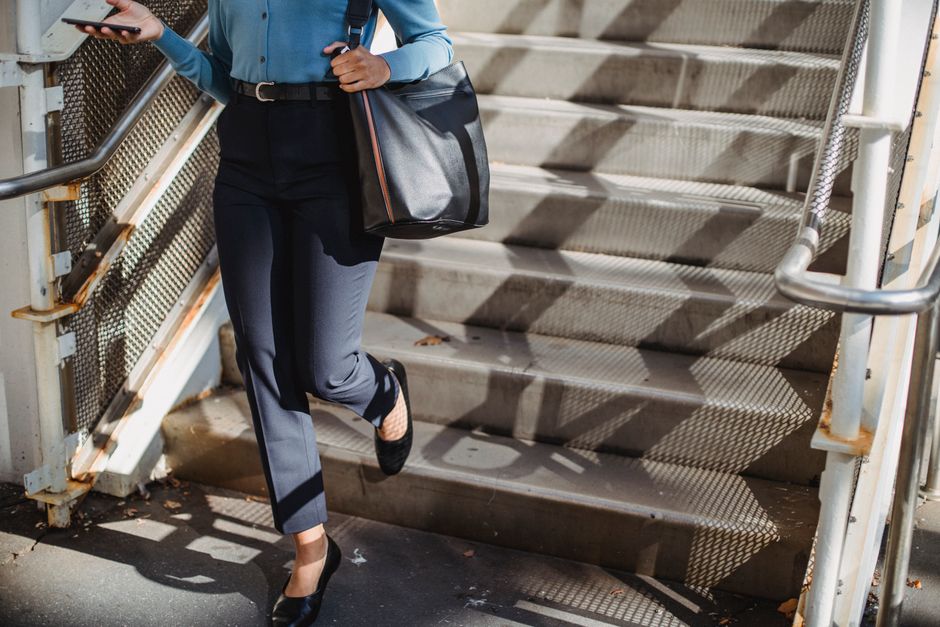
A useful starting point is a 10-piece core wardrobe, supported by shoes, accessories, and seasonal layers. The list below is not a rule about gender or personal style. It is a working count for someone who needs five office outfits, occasional presentations, and enough variety to avoid wearing the same combination every day.
A practical 10-piece starting plan
| Wardrobe piece | Recommended quantity | Useful color or fabric | Typical budget |
|---|---|---|---|
| Structured jacket | 2 | Navy, charcoal, or brown wool blend | $180–$500 each |
| Polished trousers | 3 | Black, navy, gray, or taupe | $50–$180 each |
| Work-appropriate tops | 4 | White, pale blue, ivory, or fine stripe | $25–$120 each |
| Dress or matching set | 1 | Solid color with a clean neckline | $100–$350 |
| Office-ready shoes | 2 pairs | Leather loafers, pumps, flats, or clean derbies | $90–$300 each |
| Work bag | 1 | Structured tote or slim leather briefcase | $80–$350 |
Where to spend first
Put the largest share of your budget into the jacket, trousers, and shoes. These pieces control the outline of an outfit and receive the most wear. A $50 top can look polished under a well-fitted jacket, while an expensive jacket loses impact when the trousers pull across the hips or the shoes look worn.
Where to save safely
Save on simple tops, belts, and seasonal accessories. The Uniqlo Rayon Blouse, often priced near $40, can work well when the neckline lies flat and the fabric does not show every crease. The J.Crew Factory Kate Straight-Leg Pant often sells near $80 and can fill a weekday role after basic tailoring. The clear verdict is simple: build a reliable foundation before buying statement pieces.
How do you build outfits for a mixed office week?
Plan by work demand, not by Monday through Friday. A manager may handle a team meeting, a private performance conversation, a client presentation, and a casual planning session in the same week. Your wardrobe should shift its level of structure while keeping the same visual language.
Use this five-day outfit sequence
- Leadership meeting: Wear your strongest jacket, a simple top, polished trousers, and comfortable shoes. Keep jewelry or accessories restrained so the outfit reads as prepared.
- One-to-one conversations: Choose a softer combination, such as knitwear with tailored trousers. It creates warmth without looking careless.
- Client or executive presentation: Use the most formal combination in your closet. A matching jacket and trouser set is safer than mixing several bold pieces.
- Desk-heavy day: Select stretch trousers, a breathable top, and shoes that support walking. Comfort reduces visible fidgeting during long meetings.
- Casual team day: Keep one structured element, such as a jacket, pressed overshirt, or refined loafer. The outfit can relax without losing leadership presence.
Repeat formulas instead of repeating outfits
Five outfits do not need five unrelated ideas. Use formulas: jacket plus trouser plus top; knitwear plus trouser plus loafer; dress plus jacket; or matching set plus a contrasting top. Change one element at a time. This makes dressing faster and helps colleagues remember your work rather than your wardrobe.
Prepare for the physical reality of management
Managers often walk farther, sit in more rooms, carry papers or a laptop, and stand during presentations. Test every outfit while seated and standing. Check that a jacket does not pull when you reach forward, a bag does not slide from your shoulder, and shoes remain comfortable after at least 30 minutes of walking. Practical clothing supports authority because it lets you stay present.
Which fit choices make a manager look polished?

The best fit choice for a new manager is one that creates a clean outline without restricting movement; overly tight clothes look anxious, while oversized clothes can blur your shape and make a presentation feel unfinished.
Check the three pressure points
Inspect the shoulders, waist, and seat before judging the garment. The shoulders should lie flat, the waistband should close without strain, and the back of a trouser or skirt should not pull when you sit. These areas reveal poor fit faster than a mirror selfie does.
Alter before replacing
A basic hem, sleeve adjustment, or waist correction can change the appearance of an affordable garment. Tailoring makes more sense than replacing a jacket that fits well across the shoulders but has sleeves that are two centimeters too long. For a first management wardrobe, clean alterations beat constant shopping.
Pick fabrics that survive the schedule
Choose wool blends, cotton poplin, ponte, washable crepe, and wrinkle-resistant trousers for regular office use. Avoid fabrics that demand constant steaming if your mornings are already crowded. The clear winner is clothing that still looks composed after commuting, sitting, and a long meeting.
How should you budget for a management wardrobe?
Set a total budget before shopping, then divide it by use rather than by item count. A $500 budget can create a credible foundation if you buy fewer pieces and tailor them. A $2,000 budget can still produce a weak wardrobe if too much money goes toward occasion clothing that rarely leaves the closet.
The lean budget: about $500 to $800
Start with one dark jacket, two trousers, three tops, one pair of loafers, and a simple work bag. Uniqlo’s Smart Ankle Pants, often around $50, offer a low-risk starting point for a clean trouser shape. The Everlane Modern Blazer, commonly priced near $200, gives a first-time manager a structured layer without the cost of luxury tailoring. For this budget, navy is the strongest base because it works with black, gray, cream, and denim.
The balanced budget: about $1,000 to $1,800
Add a second jacket, a third trouser, a dress or matching set, and a second pair of shoes. M.M.LaFleur’s Etsuko Dress, often listed near $295, is a strong option for someone who needs a polished outfit with minimal styling. The dress works best when its shoulder, waist, and hem fit cleanly; do not buy it simply because a brand markets it for work.
The premium budget: above $2,000
Spend more on fabric, construction, and alterations rather than on visible labels. A Theory Good Wool blazer, commonly around $495, can make sense for frequent travel and repeated presentations because the fabric holds a sharp line and pairs with several trouser colors. Do not buy premium pieces if your workplace is casual enough that they make you look overdressed. The best purchase is the one that matches your actual calendar.
Avoid buying five nearly identical black garments at the start. You need contrast in texture and shape: one jacket with structure, one softer layer, one straight trouser, one wider trouser, and one outfit that can handle a formal meeting. That mix creates more combinations than a larger pile of duplicates.
What questions should you ask before buying work clothes?

Will this outfit work for a difficult conversation?
Choose something calm and familiar for performance reviews, conflict meetings, or sensitive team discussions. A new manager should not spend mental energy adjusting a neckline, pulling down a hem, or worrying about a loud pattern. Comfort supports steady eye contact and clear speech.
When should you avoid buying a formal suit?
Skip a full suit if your workplace has no client meetings, executive events, or formal presentations. A jacket-and-trouser wardrobe gives you more flexibility and can still look sharp. Buy a suit only when the dress code or job duties will use it at least several times a year.
How can you tell if a wardrobe is too casual?
Look for worn shoes, stretched collars, faded black fabric, visible wrinkles, and clothing that only works with sneakers. One casual item is usually fine, but an outfit with several relaxed elements can weaken your message during your first months in charge. Keep one structured layer or polished shoe in the combination.
What should you do if your size changes?
Buy adjustable pieces and avoid building the whole wardrobe around a single narrow fit. Trousers with a small amount of stretch, wrap dresses, open jackets, and knit tops can remain useful across modest changes. Replace the pieces that visibly pull first, then tailor or reassess the rest.
Which mistakes make a first-management wardrobe look unprepared?
The biggest mistake is dressing for an imaginary executive instead of the real workplace. Authority does not require stiff clothing, expensive labels, or a complete reset of your personal style.
Do not confuse expensive with credible
Price cannot fix poor fit, unsuitable fabric, or the wrong level of formality. A simple navy jacket with clean shoulders often looks more capable than a luxury jacket that creases badly or overwhelms your frame.
Do not ignore maintenance
Keep a small repair kit, use a garment steamer, rotate shoes, and wash items according to their care labels. A $60 trouser can look more professional than a $200 trouser covered in lint and pressed knee marks. Maintenance is part of the wardrobe plan.
Do not erase your personality
Use one personal signal: a color, watch, scarf, textured knit, brooch, or distinctive but quiet shoe. The aim is a consistent professional identity, not a costume. If your first management outfit feels like clothing borrowed for an interview, change one element until you can move and speak naturally.
Returning to the opening question, the right wardrobe for a first management role is a small system: structured enough for difficult meetings, comfortable enough for long days, and flexible enough for the culture you actually work in. Start with ten dependable pieces, fit them properly, and let your decisions—not a designer label—carry the authority.
This is not legal advice — consult a licensed attorney.