
Your outfit is ready, but the bag ruins it. The tote is too large for dinner, the tiny shoulder bag cannot hold your phone, and the work satchel looks awkward with weekend clothes. The common mistake is treating handbags as decoration first and tools second. A good bag must fit the event, your clothes, and the objects you actually carry.
Start with the occasion. Then check capacity, strap length, weight, and material. The logo comes last.
Choose the Occasion Before the Handbag
Occasion first is the rule that prevents most bad purchases. A handbag has a job. A work bag protects a laptop and keeps papers flat. A dinner bag holds the smallest useful set of items. A travel bag keeps documents, medication, and chargers close to your body. Using one style for all three usually creates frustration.
Match the bag to the setting
For an office, choose a clean tote, satchel, or structured shoulder bag. Black, dark brown, taupe, and burgundy work with more outfits than bright seasonal colors. The bag should sit upright when you put it on the floor, and the handles should not slide off your shoulder during a commute.
For dinners, weddings, and parties, use a small shoulder bag or clutch. A width of 18 to 24 centimeters is enough for a phone, cardholder, keys, lipstick, and a small packet of tissues. Anything larger starts to look like an errand bag.
Use the dress code as a filter
Casual clothes can handle soft nylon, canvas, woven fabric, or slouchy leather. Tailored clothing needs sharper edges and restrained hardware. Formal outfits look better with satin, polished leather, metallic leather, or a small bag with a short chain. A casual nylon crossbody beside a silk dress creates a visual mismatch, even when the colors work.
For travel and long days, comfort beats appearance. A crossbody with a wide strap distributes weight better than a thin chain. For a formal event, appearance matters more because the bag stays close to the body and carries very little.
Measure What You Carry Before Buying
The right handbag is not the biggest bag you can afford. It is the smallest bag that holds your real daily kit without forcing you to overpack. Empty your current bag onto a table and remove the items you have not used in seven days. Measure the objects that remain.
- Start with the largest item. If you carry a 13-inch laptop, look for an internal compartment at least 13.5 inches wide and 9.5 inches tall. A bag that technically fits the computer but bends the corners is too small.
- Check the base. A base between 8 and 12 centimeters deep gives a medium bag useful structure. Very deep bags swallow small items. Very shallow bags make sunglasses, wallets, and chargers compete for space.
- Count the heavy items. A water bottle, tablet, makeup pouch, power bank, and keys can push a bag past 1.5 kilograms before you add anything else. Choose a wide strap or reinforced handles when the daily load is heavy.
- Test access. You should be able to reach your phone with one hand. A deep tote with no pocket is a poor commuter bag, even if it looks polished.
- Check closure and security. A zip top is better for crowded trains. A magnetic flap is faster at restaurants. An open tote is convenient but exposes everything inside.
Do not buy a bag for an imaginary lifestyle. If you work from home, a laptop tote may sit unused. If you walk everywhere, a rigid top-handle bag will become a burden. The correct measurement is the one based on your calendar, not a fantasy packing list.
Which Handbag Shape Works for Work, Travel, and Dinner?
The strongest everyday choice is a medium bag with a secure closure, a comfortable strap, and enough structure to stand upright. That combination covers the most situations without making every outfit look like office wear. Here are useful reference points, including real bags that show how the categories work.
| Use case | Shape and size | Real example | Typical listed price |
|---|---|---|---|
| Office and commuting | Tote or satchel, 12–16 inches wide | Cuyana Classic Easy Tote, about 12.25 x 19 x 6.75 inches | About $268 |
| Light travel | Soft tote with zip, 18–25 liters | Longchamp Le Pliage Original M, 31 x 30 x 19 centimeters | About $155 |
| Weekend errands | Crossbody or crescent bag, 3–7 liters | Baggu Medium Nylon Crescent, about 10.2 x 6.7 x 3.9 inches | About $52 |
| Dinner and events | Small shoulder bag, 1–3 liters | Coach Tabby Shoulder Bag 26, about 10.25 x 5.75 x 3.5 inches | About $495 |
| Polished day-to-night wear | Compact curved shoulder bag | Polène Numéro Dix, about 9.4 x 6.7 x 3.5 inches | About €450 |
The best office choice
The Cuyana Classic Easy Tote is the clearest office pick when you need a laptop, notebook, charger, and water bottle. Its open interior makes packing fast, but the lack of a full zip means it is less suitable for crowded public transport. Choose the Longchamp Le Pliage Original M instead when weight and foldability matter more than structure. It is lighter, softer, and easier to use for flights or overnight trips.
The best small everyday choice
The Baggu Medium Nylon Crescent wins for errands because it is light, washable, and comfortable against the body. It is not formal, and it will not replace a work tote. For dinner, the Coach Tabby Shoulder Bag 26 looks sharper and has enough room for essentials, but its structured design and higher price make it a style purchase rather than a universal daily bag. The Polène Numéro Dix is the strongest polished day-to-night option because its curved shape adds interest without needing loud hardware.
Five Handbag Mistakes That Make Any Outfit Harder
Most handbag problems are buying errors, not styling problems. Avoid these before you spend money.
- Buying the trendiest shape first. The micro bag may look good online, but it fails if your phone, glasses, or keys do not fit. Test capacity before color.
- Ignoring strap drop. A shoulder strap with a 20-centimeter drop may work over a thin blouse but fail over a coat. For winter layers, look for at least 25 centimeters or choose an adjustable crossbody strap.
- Choosing a heavy bag when empty. A leather bag that weighs 1.2 kilograms before you pack it will feel exhausting after a full day. For frequent walking, keep the empty bag under 900 grams.
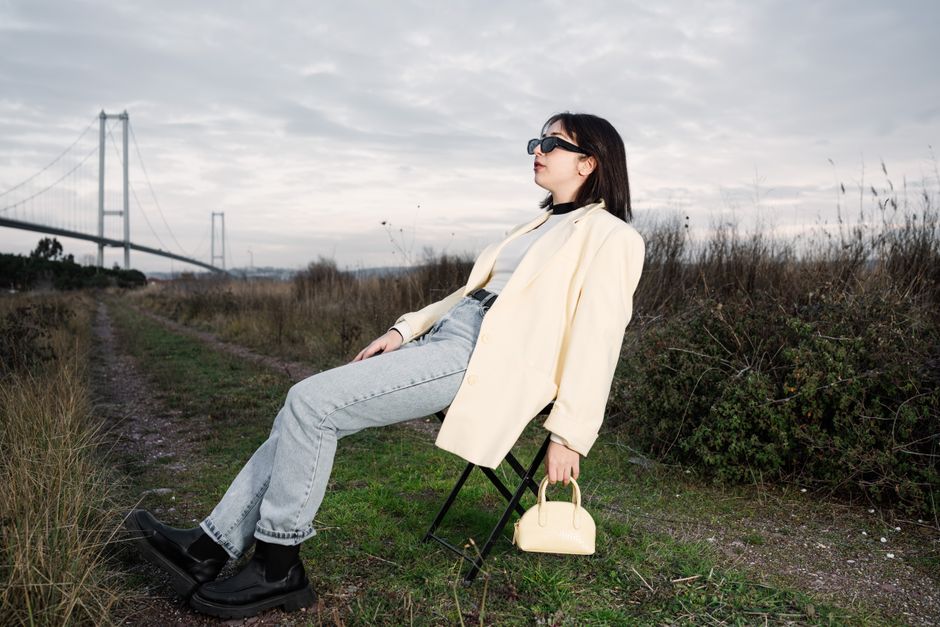
- Matching every detail. Shoes, belt, and handbag do not need to be the same color. Match the bag to one clothing tone or repeat its metal finish with your jewelry.
- Buying delicate material for rough use. Pale suede and untreated leather show marks quickly on public transport. Pick coated canvas, nylon, or pebbled leather when the bag will touch floors, rain, and crowded seats.
When not to buy leather
Skip leather if you need a bag for beach trips, rainy commutes, or frequent machine washing. Nylon is lighter and easier to maintain. Skip a soft unlined tote if you carry makeup, pens, or an open water bottle. The bag will lose its shape and collect stains. A beautiful material cannot fix the wrong use case.
My Clear Handbag Picks for Each Use Case
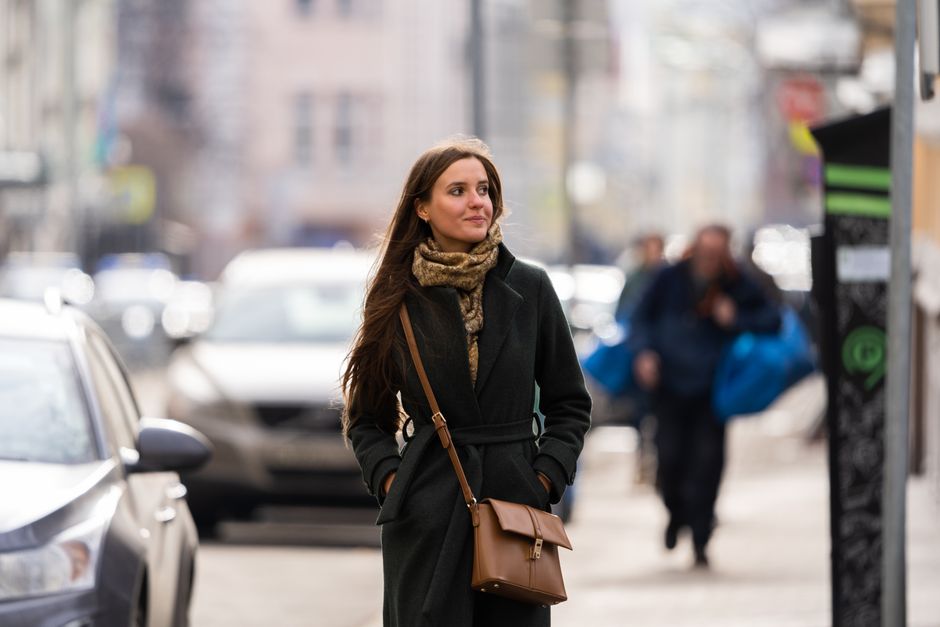
Buy one structured medium bag for work, one light crossbody for ordinary days, and one small shoulder bag for events. That three-bag system covers most wardrobes without filling your closet with near-duplicates.
For office commuting, choose the Cuyana Classic Easy Tote if you want leather and a polished shape. Choose the Longchamp Le Pliage Original M if you carry your bag onto planes, want less weight, or need a flexible option that can handle a crowded schedule.
For weekends and travel days, choose the Baggu Medium Nylon Crescent. Its practical shape, adjustable strap, and low price make it the easiest recommendation for casual use. It is better suited to real movement than a rigid mini bag that only photographs well.
For dinners, the Coach Tabby Shoulder Bag 26 is the strongest choice when you want a recognizable polished shape and enough room for essentials. For a quieter, more design-focused look, choose the Polène Numéro Dix. Keep the color neutral, check the strap length against your outerwear, and reject any bag that cannot hold your phone and keys comfortably.
The final recommendation is simple: buy the smallest comfortable bag that carries your actual essentials, then choose the shape that matches your most common occasion. For most wardrobes, that means a medium structured tote for work, the Baggu Medium Nylon Crescent for weekends, and a compact shoulder bag for evenings.