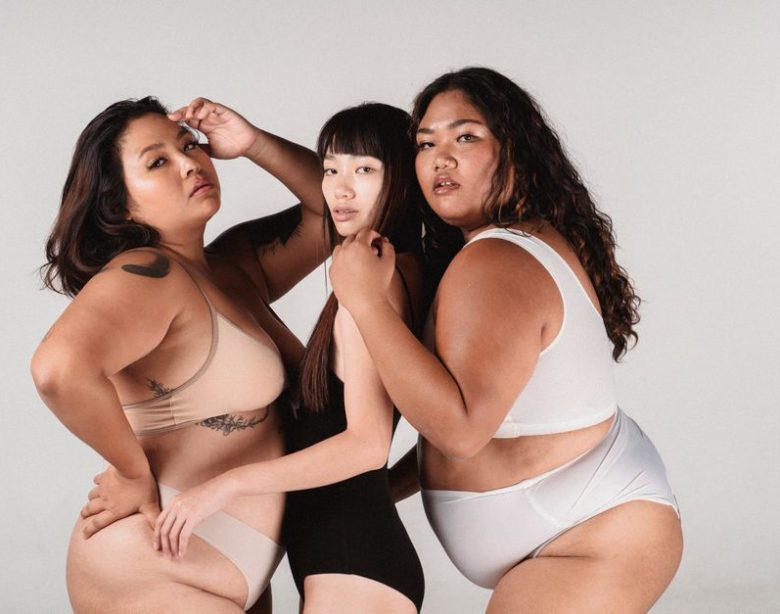
Which plus-size brands are actually making clothes that look current, fit real bodies, and offer more than a small rack of black basics? The strongest names in 2026 are changing the process from the first sketch onward. They are grading patterns across more sizes, showing clothes on fuller bodies, adding useful measurements, and treating bold style as a standard option rather than a special request.
That does not mean every extended-size collection deserves your money. Size range, fit consistency, fabric quality, return rules, and price still vary sharply. These eight brands stand out for different reasons, but the best one for you depends on the gap in your wardrobe. Some are built for reliable essentials. Others specialize in dramatic occasionwear, technical activewear, sharp tailoring, or made-to-order clothing.
Why inclusive sizing changes the clothes themselves
Plus-size design is more than adding inches
A pattern designed in a straight size cannot always be enlarged successfully. Bodies change shape as measurements increase. Bust projection, upper-arm circumference, rise length, thigh width, shoulder slope, and waist placement all need separate attention. If a brand simply scales a smaller pattern upward, the result can pull across the bust, flatten the seat, twist at the side seams, or leave sleeves too tight.
That is why a credible size range starts with pattern development, not a larger size label added near the end of production. A useful garment should still balance across the body. A button-down needs enough room at the bust without turning into a tent at the waist. Jeans need a rise that stays in place when you sit. A blazer needs shoulder structure, sleeve room, and enough fabric at the upper back.
Fit access is part of fashion access
Fashion only feels expressive when people can reach the styles they want. A plus-size shopper should not have to choose between a plain tunic and an expensive special-order dress while smaller shoppers get denim, suiting, swimwear, sheer layers, and trend pieces in every color. The meaningful shift in 2026 is the wider range of silhouettes available to fuller bodies: barrel-leg trousers, cropped jackets, sculptural dresses, mesh layers, fitted knitwear, and occasion pieces with visible design detail.
Still, a large size chart alone proves very little. A brand can advertise sizes through 6X while stocking only a few styles in the top end of the range. Another may offer size 14 but stop at 24 in the most popular colors. Serious inclusivity means that the upper sizes appear across the main collection, not only in clearance or seasonal basics.
What deserves your trust
Look for garment measurements, model measurements, fabric composition, and a clear fit description. Words such as relaxed, fitted, oversized, and compressive should tell you how the garment is meant to sit. Customer photographs can reveal hem length, sleeve placement, opacity, and stretch more clearly than a polished campaign image.
Verdict: The most meaningful plus-size brands are the ones that solve construction and access problems together. A wide size range matters, but consistent grading and honest product information matter just as much.
Eight plus-size brands worth watching in 2026
The quick comparison
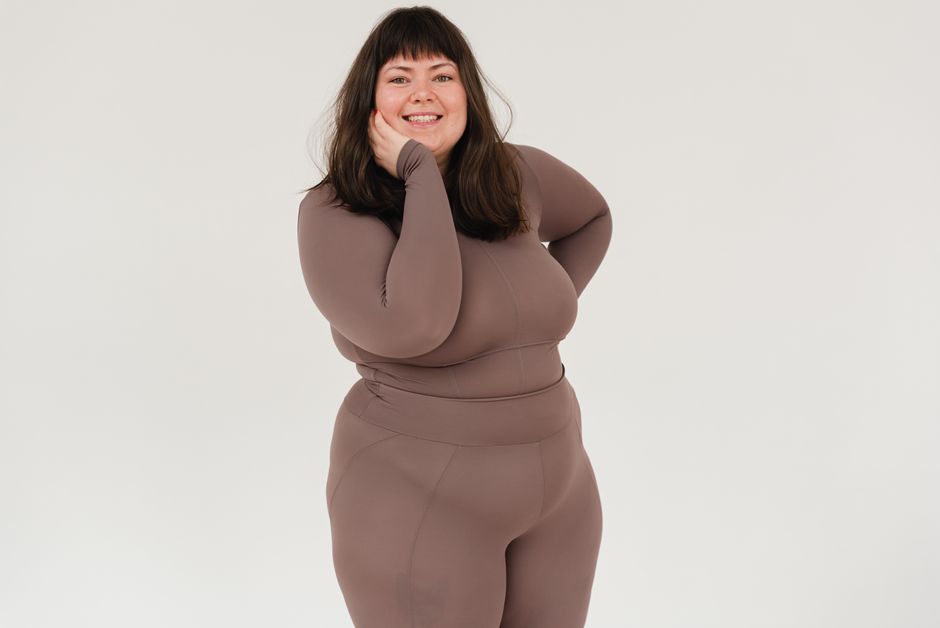
The table below compares eight brands by their published or commonly listed size range, a representative item, and the kind of wardrobe problem each one solves. Prices are representative 2026 list prices and may change with sales, collection updates, or currency conversion.
| Brand | Published size range | Representative item and price | Best for |
|---|---|---|---|
| Universal Standard | 00–40 | Iconic Geneva V-Neck Dress, about $138 | Polished everyday dressing |
| Good American | 00–32 in key categories | Good Legs Straight Jeans, about $159 | Denim and body-conscious basics |
| Eloquii | 14–32 | Button Detail Workwear Midi Dress, about $119.95 | Trend-led work and occasion pieces |
| Loud Bodies | 2XS–10XL | Miss Marple Dress, about $342.50 | Made-to-order statement dresses |
| Selkie | XXS–6X in many signature styles | The Puff Dress, often around $269 | Romantic volume and event dressing |
| Wray | XXS–6X in core collections | Printed dresses and separates, often $180–$300 | Artful prints and relaxed tailoring |
| Henning | 12–26 | Structured blazers, often around $399 | Luxury suiting and workwear |
| Girlfriend Collective | XXS–6XL | Compressive leggings, about $78 | Activewear and comfortable basics |
Why these brands stand apart
Universal Standard remains the clearest choice for shoppers who want one dependable source for dresses, knitwear, denim, and basics across a very wide range. Its Fit Liberty program, where eligible customers can swap sizes within a set period, also addresses a practical problem that many shoppers face when bodies change.
Good American is the stronger denim pick. Its Good Legs and Good Waist lines focus on stretch, rise, and shaping rather than treating jeans as a straight-size template. Eloquii wins for fashion-forward variety at a more accessible price level, with party dresses, workwear, jumpsuits, and seasonal trend pieces in sizes 14–32.
Loud Bodies is the most ambitious option for shoppers who want dramatic dresses and unusually broad sizing. The tradeoff is price and production time. Several sizes are made through custom orders, so the brand is better for a planned purchase than a last-minute event.
The honest tradeoffs
Selkie delivers a memorable silhouette, but high-volume skirts and delicate fabrics may not suit a minimalist wardrobe or a humid commute. Wray is excellent for color, print, and art-school tailoring, yet some pieces are priced above mainstream retailers. Henning makes a strong case for plus-size luxury suiting, but the limited size ceiling means it will not work for every shopper. Girlfriend Collective offers practical activewear, though compression levels and recycled performance fabrics can feel too firm for people who prefer soft, loose layers.
Verdict: Universal Standard is the best all-rounder, Good American is the best denim specialist, Eloquii is the best value for trend pieces, and Loud Bodies is the boldest choice for occasionwear beyond size 6X.
How to check the fit before you buy
Use measurements instead of a familiar label
Your usual size is a starting point, not a guarantee. A 2X can represent very different body measurements from one retailer to another. Measure your bust at the fullest point, your natural waist, and your hips at the fullest area. For trousers, measure the front rise from the crotch seam to the top edge, then compare it with a pair you already like.
- Measure in light clothing with the tape level around your body.
- Write down the three main measurements instead of relying on memory.
- Check the garment chart, not only the size selector.
- Compare the fabric content with the fit. Three percent elastane can change comfort, but it does not turn a rigid woven into a stretchy garment.
- Read the length information for your height. A 52-inch dress may hit at the ankle on one person and below the knee on another.
- Check the return deadline before removing tags or wearing the item outside.
Read the garment details like a patternmaker
Look for the details that affect movement. A side zipper gives a fitted dress a cleaner front but can make independent dressing harder. A smocked back adds flexibility around the bust and waist. A functional tie can improve fit, while a decorative tie may only create visual interest. Stretch panels, gussets, lined skirts, adjustable straps, and deep pockets all change how useful a piece becomes in daily life.
Pay special attention to armholes and sleeves. Many shoppers can fit the bust and waist but still feel restricted across the upper arm. A review that says the dress fits true to size does not answer that question. Product photographs from several angles, garment measurements, and customer comments about movement are more useful.
Common buying mistakes to avoid
Do not size down because a brand uses a generous model photograph. Do not assume a stretchy fabric will fix poor proportions. Do not buy a final-sale piece as a test of a new brand. The cheapest price is often the most expensive choice if the garment cannot be returned, needs alterations, or stays unworn because the cut feels wrong.
Verdict: The safest buying method is simple: measure your body, compare the garment measurements, inspect the fabric, and protect your right to return the piece. A size label cannot do that work for you.
Which brand fits your actual wardrobe?
For a small wardrobe that needs dependable variety
Choose Universal Standard. It has the widest size range in this group and offers the most practical mix of dresses, tops, knitwear, trousers, and outer layers. The Iconic Geneva V-Neck Dress at about $138 is the kind of piece that can work with sneakers, flats, boots, or a cropped jacket. Its strength is repeat wear, not novelty. If you want one place to build a useful wardrobe, this is the safest starting point.
For denim, body-skimming dresses, and going-out clothes
Choose Good American. The brand is most convincing when it tackles jeans, fitted dresses, and sculpting basics. The Good Legs Straight Jeans at about $159 are a better bet than a random low-cost pair if your main problem is a waistband that gaps or a rise that slides down. Good American is not the cheapest option, and compression-focused pieces may feel restrictive. Buy it for structure and shape, not for loose comfort.
Choose Eloquii for trend value. Its size 14–32 range and frequent drops make it a strong option for sharp color, partywear, workwear, and seasonal silhouettes. The Button Detail Workwear Midi Dress, listed around $119.95, shows the appeal: a visible design feature at a price below most independent luxury labels. The risk is speed. Popular colors and upper sizes can disappear quickly, so the brand works best when you check measurements as soon as a style launches.
For statement dressing or a polished office wardrobe
Choose Loud Bodies for drama and Henning for tailoring. Loud Bodies reaches 10XL in many designs and offers custom production for some sizes, making it the clear leader for shoppers who want a romantic, detailed dress rather than a compromise silhouette. Henning takes the opposite route. Its smaller size range stops at 26, but the focus on construction, suiting, and fabric gives it a sharper place in a professional wardrobe.
Selkie is the pick for theatrical volume and special-event photos. Wray is better for artistic prints, roomy separates, and relaxed shapes that do not look basic. Girlfriend Collective wins for low-fuss activewear, especially if you want leggings and bras in a broad size range. None of these brands is the universal answer. The right choice is the one that solves the most expensive or frustrating gap in your closet.
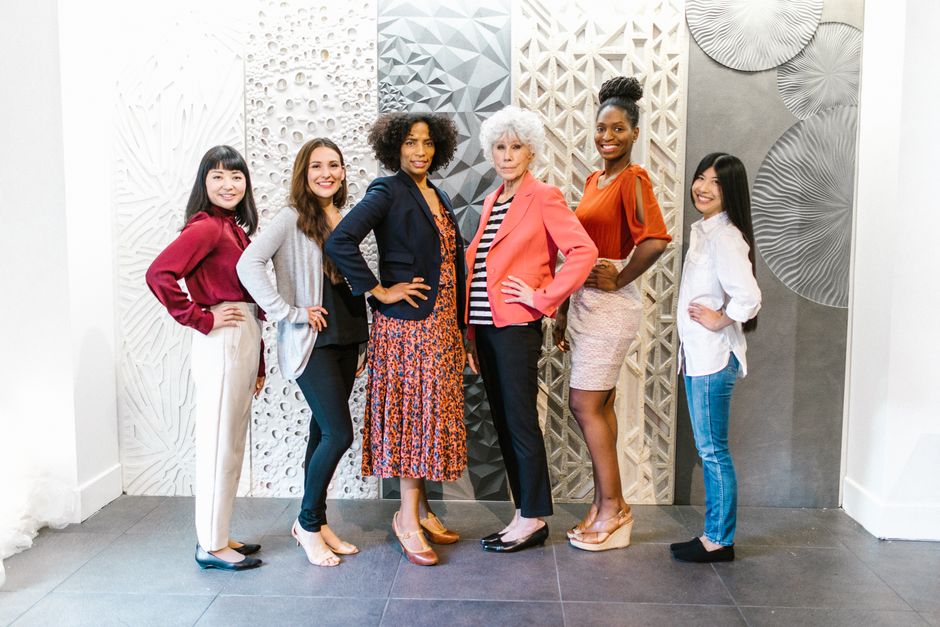
Verdict: Build essentials at Universal Standard, buy denim from Good American, use Eloquii for current trends, and spend more selectively on Loud Bodies, Henning, Selkie, Wray, or Girlfriend Collective when their specialty matches your lifestyle.
Questions to ask before buying plus-size fashion

Does a larger size range automatically mean better fit?
No. A size range tells you how far a brand intends to serve, not how well every garment fits. Look for separate measurements, consistent grading, and reviews from people near your size. A brand that explains the cut gives you more useful information than a brand that only prints a large number on the product page.
Should you buy from a brand that only offers a few plus-size styles?
Buy with caution. A limited extended-size capsule may contain good clothes, but it can also reveal that the brand has not built a complete fit system. Check if the same design details, fabrics, colors, and stock levels appear across the full range. If larger sizes exist only in basic black, the collection is not offering equal style access.
When should you skip a popular brand?
Skip it when the size you need is available only through a difficult custom process, when the return policy makes fit testing too risky, or when the product measurements conflict with your body measurements. Also skip any garment that requires you to ignore a known problem, such as tight sleeves, a low rise, a short torso, or a fabric that irritates your skin. Popularity does not make an uncomfortable garment useful.
The strongest plus-size fashion choice in 2026 is not the brand with the loudest inclusivity message. It is the brand that gives you the right size, a clear fit, a wearable design, and a fair chance to return it if the garment fails in real life.