
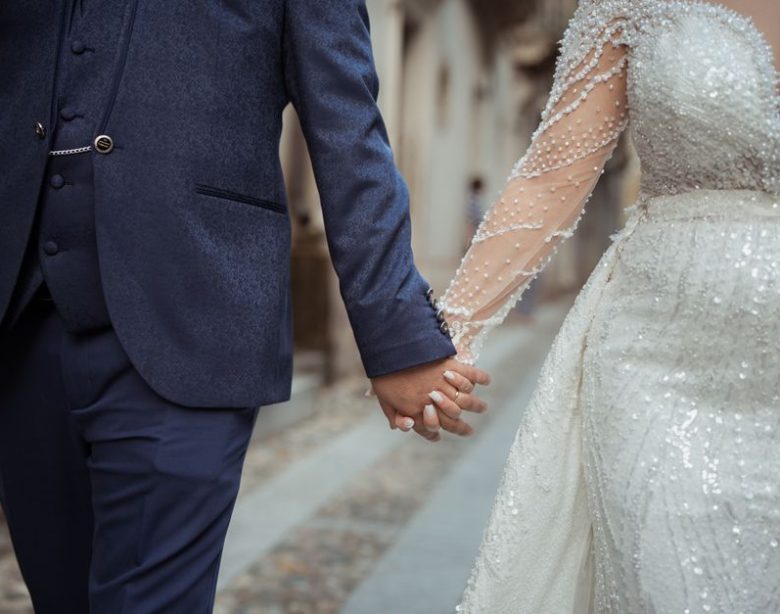
Standing in a fitting room with three dresses and no clear winner is frustrating. The fastest fix is to match the dress shape to your measurements, movement, and styling goal before you focus on color or trend.
Start With Your Measurements, Not Your Body Label
The best plus-size dress silhouette is the one that gives your body room where it needs room and shape where you want shape. A size number cannot tell you that. Two dresses marked 20 can fit very differently because one uses a straight cut and the other adds fabric at the hip or bust.
Measure the three areas that control fit
Use a soft tape measure over a thin shirt. Record your full bust at the widest point, natural waist without pulling the tape tight, and full hip at the widest point. Also measure your shoulder width and your preferred dress length from the top of your shoulder to your knee, midi hem, or ankle. Compare those numbers with the brand’s garment chart, not only its body-size chart.
If your bust and hip fall into different size ranges, choose the larger area for a woven dress and plan a small alteration at the smaller area. Stretch jersey gives you more flexibility, but it still needs enough fabric across the bust and seat to avoid horizontal pulling.
Read the shape before you try it on
An A-line dress narrows at the upper body and widens from the waist or high hip. A fit-and-flare dress follows the torso more closely before opening into a fuller skirt. A sheath stays close from shoulder to hem, while a shift hangs with less waist definition. A wrap dress creates an adjustable waist, but the overlap must cover the bust when you sit and move.
Best starting point: choose an A-line or fit-and-flare silhouette if you want an easy first purchase. These shapes offer room through the hip without hiding the entire body, and they usually work with flats, boots, and heels.
Which Dress Silhouette Works Best for Your Goal?

Use the table as a quick filter. It gives you a starting decision, not a rule about what your body should look like.
| Silhouette | Best for | Check before buying |
|---|---|---|
| A-line | Balanced movement and hip room | Make sure the skirt does not flare at the widest hip |
| Fit-and-flare | Visible waist shape with a defined skirt | Check that the seam sits at your natural waist |
| Wrap | Adjustable bust and waist fit | Sit down to test coverage and tie placement |
| Sheath | Clean office or evening dressing | Look for stretch and no pulling at the stomach |
| Shift | Loose comfort and a straight fall | Confirm the shoulder and armhole fit |
Pick the silhouette by the problem you want to solve
For a dress that must move with you at work, choose a lightly structured A-line with a back vent or stretch panel. For a wedding guest look, a wrap or fit-and-flare shape gives more waist control and photographs well from several angles. For travel, a shift in a wrinkle-resistant knit is the practical winner because it does not depend on a precise waist seam.
Do not confuse volume with comfort
An oversized shift may feel comfortable through the stomach but still pull at the upper arm or sit too wide at the shoulder. A very full skirt can also add bulk at the hip if the fabric is stiff. The best comfort comes from correct proportions: a secure shoulder, an armhole that does not cut in, and enough ease for sitting.
Clear verdict: choose fit-and-flare for visible shape, A-line for reliable everyday wear, wrap for adjustability, sheath for polished structure, and shift when movement matters most.
Use This Five-Step Fitting Process in the Dressing Room
Try dresses in this order. It keeps a flattering neckline or attractive print from distracting you from a poor fit.
- Check the shoulders first. The shoulder seam should sit near the edge of your shoulder, not halfway down your arm. If it falls too far out, the dress will look oversized even if the waist fits.
- Raise both arms. Look for tightness across the upper back and armpits. You should be able to lift your arms without the whole hem rising several inches.
- Sit and stand. A dress that fits while standing may expose the bust, ride up at the thighs, or pull across the stomach when you sit. Test all three positions.
- Walk ten steps. Watch the skirt. If you keep tugging it down, the hem or hip measurement is wrong. If the fabric twists around your body, the cut may not suit your proportions.
- Use a side view and phone photo. Check where the waist seam lands. Your natural waist is usually the narrowest point of your torso, but a high-waisted design can sit above it on purpose. Decide if that placement creates the line you want.
Allow ease for real movement
For a woven dress, look for roughly 1 to 2 inches of extra room at the bust and hip beyond your body measurement. Stretch fabrics can use less ease, but a dress should not rely on constant tension to stay in place. If you see drag lines pointing toward a button, zipper, or seam, size up or choose a roomier silhouette.
Judge the hem with your shoes
Try the shoes you expect to wear. A midi hem that lands at the widest part of your calf can shorten the leg line, while a hem just below the knee may feel more balanced with flats. For a formal event, check the length while walking up stairs. A dress that catches under your heel is a safety problem, not a minor styling issue.
Four Real Dresses Worth Comparing
My strongest recommendation is the Universal Standard Geneva Dress for a flexible wardrobe. It is usually listed around $148, comes in sizes 00 to 40, and uses a simple jersey shape that works with sneakers, boots, or a jacket. Its strength is range and repeat wear, not formal structure.
Best defined waist: Eloquii Kady Fit and Flare Dress
The Eloquii Kady Fit and Flare Dress often sells near $99 and is commonly offered in sizes 14 to 32. Its shaped bodice and fuller skirt suit shoppers who want a clear waistline for dinners, parties, or office events. Pick it when you want the dress to create an outfit on its own. Skip it if you dislike fitted waists or need a lot of room through the upper arm.
Best adjustable option: City Chic Wrap Dress
A City Chic Wrap Midi Dress is often priced around $129 and is typically available in sizes 14 to 24. The tie gives you room to fine-tune the waist and bust, which helps when your measurements sit between sizes. Buy it for an event where you want a V-neck and flexible fit. Do not buy it if you will spend the day securing the neckline with pins; that means the overlap is too shallow for you.
Best casual value: Torrid Midi Skater Dress
The Torrid Midi Skater Dress commonly falls near $89.90 and uses a stretchy knit with sizes that often cover 00 to 6, or roughly 10 to 30. It is an easy choice for casual weekends because the skirt moves without tailoring. The tradeoff is lighter structure: it will not give the crisp line of a ponte sheath or a lined woven dress. Boden’s Felicity Jersey Dress, often around $140 and available through size 26, is the better pick when you want a more polished fit-and-flare finish.
Common Fit Mistakes and the Better Choice

Most disappointing dress purchases come from solving the wrong problem. A shopper wants stomach coverage and buys a huge shift, then finds the shoulders and sleeves too wide. Another wants waist definition and buys a tight sheath, then spends the event adjusting the fabric.
Why does a dress pull across the bust?
Horizontal lines from the bust toward the side seam usually mean the garment needs more room there. Do not fix that problem by tightening a belt. Try the next size, a wrap shape, or a V-neck with a fuller skirt. A belt can define a waist, but it cannot add fabric to a tight bodice.
When should you skip a body-skimming sheath?
Skip it when the fabric is thin, has no stretch, or shows every seam from the undergarment beneath it. Choose a lined ponte sheath instead, or move to an A-line dress with a smooth waistband. The goal is not to hide your shape. It is to avoid paying for a dress that demands constant adjustment.
What should you alter instead of returning?
Shortening a hem, moving a button, or taking in a loose waist can be worth the tailor’s fee. Shoulder seams, tight armholes, and a narrow bust are harder and more expensive to repair. If those areas fail the movement test, return the dress and choose a different cut.
That fitting-room decision now has a clear path: measure first, test movement, and select the silhouette that solves your actual need. For the shopper who began with three confusing dresses, the winner is no longer mysterious—it is the one that fits at the shoulders, moves at the hips, and lets the wearer leave the room feeling ready to go.