

You find a pair of jeans in the back of your closet and remember why you kept them. The color has softened, the knees show faint creases, and the shape still works with boots, sneakers, or a sharp jacket. That is the real test of timeless denim: it remains useful after the first season has passed.
Trends can help you discover a new silhouette, but they cannot tell you if a pair will earn regular wear. Fabric, construction, rise, leg shape, and care matter more than a dramatic wash or a viral cut. This guide breaks down those choices with a consumer-focused standard: buy denim that earns its place, survives real movement, and still looks intentional years later.
Why Some Jeans Still Look Right After Years
The strongest denim choices solve a simple clothing problem. You need a durable layer that can handle repeated wear while working across different outfits and settings. A timeless pair does not need to look untouched. Small fades and softened areas can add character, but the original cut must remain balanced and the fabric must keep its shape.
Durability comes from the relationship between three parts: fiber content, fabric density, and construction. A heavy cotton jean may resist abrasion, but weight alone does not guarantee comfort or quality. A lighter pair can last for years if the yarn, stitching, and fit reduce stress at the knees, seat, and waistband.
The three-part test: fiber, weight, and construction
Start with the fiber label. 100% cotton denim usually develops clearer fades and feels more structured, while jeans with 1% to 3% elastane offer easier movement but can lose recovery after heavy wear. Look next at the fabric weight. Denim around 10 to 12 ounces feels versatile for daily use; 13 ounces or more offers a firmer hand and stronger resistance but may need a longer break-in period.
Construction gives the final clue. Inspect the waistband for even stitching, the belt loops for reinforced attachment, and the pocket corners for extra tacks or dense stitching. The fly should lie flat when closed. Loose threads are not a style detail; they are an early warning that stress points may open quickly.
Why restraint beats novelty
A medium indigo wash, clean dark rinse, or even black denim usually has a longer styling life than extreme whiskering, oversized rips, or unusual color treatments. The reason is practical. Subtle finishes work with more shoes, jackets, and knitwear, so you reach for them more often. More wear creates more value from the purchase.
The clear verdict is simple: choose the pair with the strongest fabric and the most wearable shape, then let natural wear create personality. A timeless jean should become more personal with age, not harder to combine.
Raw, Stretch, and Recycled Denim: Which Lasts?
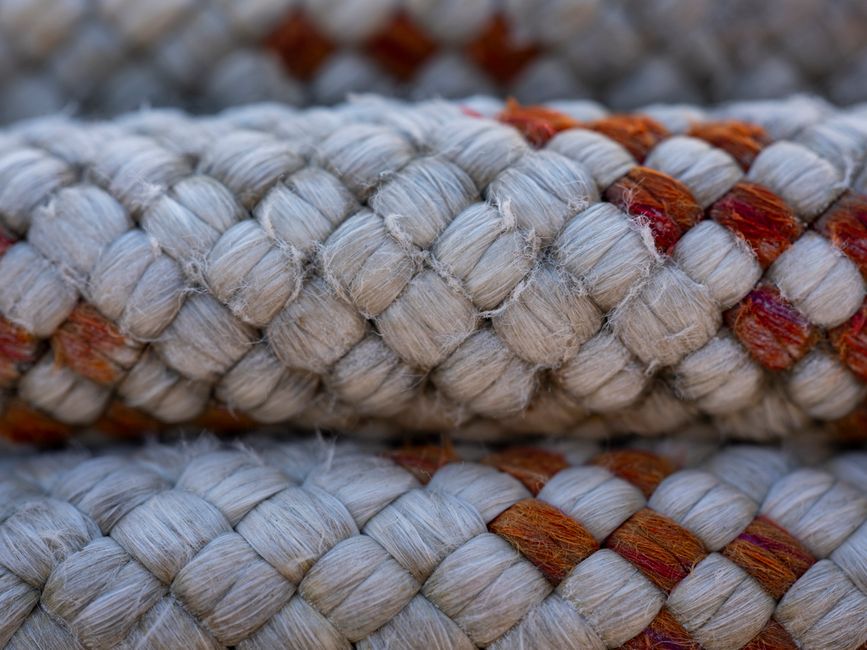
Denim labels can sound technical, but a small amount of information can prevent an expensive mistake. The table below compares familiar jean options using typical list prices and common fiber details. Retail prices change by season, retailer, and country, so treat them as buying benchmarks rather than guarantees.
| Example | Common fabric | Typical list price | Main strength | Watch for |
|---|---|---|---|---|
| Levi’s 501 Original | 100% cotton | About $79.50 | Classic button fly and straight shape | Rigid versions need break-in time |
| Wrangler Cowboy Cut Original Fit | 100% cotton | About $39.99 | Firm fabric and durable workwear build | Higher rise and longer leg may feel bulky |
| Madewell The Perfect Vintage Jean | Cotton blend with stretch | About $138 | Soft hand and relaxed vintage-inspired fit | Stretch recovery varies by wash |
| Nudie Jeans Steady Eddie II | Often organic cotton with stretch options | About $200 | Roomier straight shape and repair support | Higher upfront cost |
| Everlane The Way-High Jean | Cotton blend with elastane | About $98 | High rise and flexible everyday wear | Check waistband pressure when sitting |
Read the fiber label first
Rigid cotton is the strongest choice for crisp structure and visible fading. It also asks more from the wearer during the first few weeks. Stretch denim is the better option for commuting, travel, or long days spent sitting, but the fabric should return to shape after a full day. If the knees remain baggy after one wear, the blend may have too much elasticity for your wardrobe.
Recycled and organic fibers can lower the impact of production, yet the sustainability label does not automatically prove better construction. Check the actual blend, stitching, and repair policy. A well-made pair worn for five years can be a smarter purchase than a cheaper pair replaced every season.
Compare price with expected wear
Divide the purchase price by realistic wears. A $200 pair worn twice a week for three years costs about 64 cents per wear before repairs. A $40 pair worn eight times before the fabric twists, stretches, or becomes uncomfortable costs more than the tag suggests. For long-term value, the strongest pick is the jean you can wear at least once every week without styling frustration.
For most wardrobes, the Levi’s 501 Original offers the clearest classic baseline, while the Wrangler Cowboy Cut wins for hard use and a firmer workwear feel. Stretch options earn their price only when the recovery and fit remain strong after repeated wear.
The Straight-Leg Cut Is the Safest Long-Term Choice
The straight-leg cut is the best long-term choice for most wardrobes because it balances current style with decades of proven usefulness. It does not cling like a skinny jean or create the volume of a very wide leg. Its clean line works with loafers, ankle boots, canvas sneakers, and low heels.
Look for a leg that falls from the knee without pulling across the calf. A small opening at the hem creates room for footwear, while a narrow straight cut keeps the silhouette neat. The ideal hem usually lands just above the shoe or forms one soft break. Excess fabric creates stacking that can make even quality denim look careless.
Match the rise to your movement
Mid-rise jeans sit around the natural waist and usually offer the easiest balance between comfort and layering. High-rise styles create a longer leg line and work well with tucked shirts, but the waistband must not dig into the stomach when you sit. Low-rise jeans can look sharp with cropped jackets and fitted tops, yet they demand more attention to movement and shirt length.
Test the rise in a chair, not only in front of a mirror. Sit, bend, and walk for several minutes. If the waistband rolls, the front pulls into horizontal lines, or the back gaps, the rise is wrong for your body. A smaller size will not fix a poorly matched rise.
Choose the wash that earns repeat wear
Dark indigo is the most adaptable choice for work-casual outfits and evening dressing. Medium blue feels more relaxed and shows wear in a forgiving way. Black denim offers a sharper alternative, but check the dye quality because some black jeans fade unevenly at the thighs and knees.
The verdict is firm: begin with one straight-leg pair in dark or medium indigo. Add a flare, barrel leg, or wide leg only after that foundation earns regular wear. Trend-led shapes can be excellent, but they should expand a working wardrobe rather than replace its most useful pair.
How to Check Jeans Before You Buy
A fitting room test should take more than a quick glance in the mirror. Use the following sequence to find defects before the receipt is in your pocket.
- Check the fabric recovery. Pull the fabric gently at the knees, seat, and waistband, then release it. The cloth should return close to its original shape. Permanent ripples suggest weak recovery or a cut that is too tight.
- Walk for two minutes. Pay attention to the inner thigh, crotch, and back waistband. Any pinching means the jean will become less pleasant during a full day. Comfort problems rarely disappear through optimism.
- Sit and bend. A good rise stays secure without cutting into the stomach. The back should cover the body without requiring constant pulling or adjustment.
- Inspect the side seams. The seams should fall straight from the hip to the hem. Twisting often signals uneven tension in the fabric or an unstable wash.
- Study the pockets. Back pockets should sit at similar heights, and the opening should not gape when you move. Pocket placement changes the visual balance of the entire pair.
- Measure the hem against your shoes. Try the shoes you expect to wear most. A hem that works with sneakers may look too short with boots, and alterations cannot always add length.
- Read the care label. A pair that requires complicated cleaning may receive less wear than a simpler pair. Your real laundry habits matter more than the ideal routine printed on the tag.
The most common mistake is buying the size that looks best while standing still. Jeans are working clothes. The correct pair should pass the sitting, walking, and bending test before color or brand enters the decision.
When a Different Denim Cut Makes More Sense
Timeless does not mean one shape for every person or every wardrobe. The better rule is to match the cut to the job the jeans must perform. A straight leg wins as a starting point, but other silhouettes solve real fit and styling problems.
Choose a bootcut or flare for longer visual lines
Bootcut and flare jeans balance a wider shoe and can make the legs appear longer when the hem nearly reaches the floor. Levi’s 726 High Rise Flare is a familiar example, while Wrangler Retro Mae offers a more western direction. These cuts need the right hem length. A short flare can look accidental, and a long one drags through wet streets.
For someone who wears heeled boots often, a flare is the stronger choice than a straight leg. For a sneaker-heavy wardrobe, straight denim remains easier to repeat.
Choose relaxed or wide denim for movement
A relaxed jean gives the seat and thigh more room without requiring a fully oversized silhouette. Wrangler’s relaxed fits and Lee’s relaxed straight styles often serve this purpose at accessible prices. Wide-leg denim goes further, creating airflow and a stronger fashion shape, but it needs a shorter or fitted top to keep the outfit balanced.
Do not buy a wide leg to hide an uncomfortable fit. Extra fabric cannot correct a waistband that slips or a rise that pinches. Buy it for movement and proportion, not as a substitute for accurate sizing.
Know when not to buy a trend-led pair
Skip a dramatic cut if you cannot name three outfits for it using clothes you already own. Also skip jeans that require special shoes, constant steaming, or uncomfortable shapewear to look correct. For a first premium purchase, Nudie Jeans Steady Eddie II is a more practical choice than an extreme seasonal silhouette because its roomier straight shape remains useful across casual settings.
The consumer verdict: choose the shape that removes outfit problems. Straight legs are the safest default, flares suit long-line dressing, and relaxed cuts are strongest for movement.
How to Make Jeans Last Without Overwashing
Good care is less about complicated rituals and more about reducing unnecessary stress. Denim does not need a full wash after every wear if it has no odor, stain, or visible soil. Repeated hot washing can fade the color, weaken the fibers, and change the fit faster than normal use.
Use a low-stress washing routine
Turn jeans inside out, close the fly, and wash them in cold water on a gentle or normal cycle. Use a small amount of mild detergent and avoid bleach unless the garment label specifically allows it. Wash similar dark colors together during the first few cycles because indigo can release excess dye.
Cold water and air drying are the safest default for preserving shape. Hang jeans from the waistband or lay them flat. A dryer can be useful when the care label permits it, but high heat increases shrinkage and can damage stretch fibers. If you must machine-dry, choose low heat and remove the jeans while they are slightly damp.
Repair early and store them properly
Small tears at the crotch, pocket corner, or inner thigh are easier to repair before the surrounding fabric fails. A simple patch or darning job can extend useful life without making the jeans look new. Strong denim often looks better after a visible repair because the repair records how the garment was actually worn.
Store jeans folded or hung by a sturdy belt loop. Avoid leaving them bunched on the floor, where moisture and friction can set creases. Air them after wear if they are clean. The goal is not to protect denim from every mark; it is to keep ordinary wear from becoming avoidable damage.
The clear verdict is to wash less often, dry with less heat, and repair sooner. That routine protects both the fabric and the money already spent on the pair.
Timeless Denim Questions Buyers Still Ask
Is 100% cotton denim always more durable?
No. 100% cotton is usually more structured and can develop attractive fades, but durability also depends on fabric weight, yarn quality, stitching, and fit. A tight cotton jean may fail at the inner thigh sooner than a slightly relaxed stretch jean because constant tension creates abrasion. For rigid denim, choose a fit that allows movement from the first wear.
Are expensive jeans automatically better?
No. Price can reflect better fabric, ethical production, repair services, or small-batch construction, but it can also reflect branding. Compare the fiber blend, stitching, return policy, and expected wear. The $39.99 Wrangler Cowboy Cut Original Fit can be a better workwear purchase than a $200 fashion jean if the goal is hard use. Madewell The Perfect Vintage Jean makes more sense for someone who values a soft everyday fit and a polished vintage shape.
Should a timeless wardrobe include raw denim?
Raw denim is a good choice for people who enjoy a firm break-in period and want fades shaped by their own movement. It is not the best choice for someone who needs immediate softness, easy washing, or a predictable color. Start with one pair only if you like the process. Otherwise, a pre-washed dark indigo jean delivers the classic look with fewer demands.
What is the one pair to buy first?
Choose a mid-rise or high-rise straight-leg jean in medium or dark indigo, with a fabric blend that lets you sit and walk comfortably. That formula gives the widest range of outfits and the lowest risk of early abandonment. The future of denim will bring new cuts, fibers, and finishes, but the winning pair will still be the one that feels useful long after its trend cycle ends.