Secondhand shopping does not make every purchase ethical
The common misconception is simple: buying used clothing automatically makes every choice responsible. It does not. Secondhand shopping can reduce demand for new production, keep garments in use, and lower the cost of building a wardrobe. It can also become another form of overbuying when low prices encourage people to purchase clothes they barely wear.
My clearest lesson was this: the most ethical secondhand garment is the one I will wear often, care for properly, and keep for years. A $12 jacket worn twice is not a better outcome than a $45 jacket worn every week. I started judging each item by expected wear instead of the thrill of finding a bargain.
Cost per wear beats the sticker price
I used a basic calculation: purchase price plus cleaning or repair cost, divided by the number of planned wears. A $30 wool coat that needs a $10 button repair can still beat a $10 coat with a broken lining if I expect to wear the first one 80 times. The number is not perfect, but it slows down impulse buying.
Secondhand is a buying method, not a moral label
A used garment still carries questions about fiber content, working conditions, transport, care, and disposal. Resale solves one part of the clothing problem. It does not erase the rest. That distinction made my shopping more honest and much less performative.
My one-year rule was to shop for gaps, not dopamine
I stopped opening resale apps when I felt bored. I wrote down the exact gaps in my wardrobe, waited 48 hours, and searched only for those pieces. The rule removed most impulse purchases and left me with fewer garments that worked together.
The verdict was immediate: a written wardrobe gap list is more useful than unlimited access to cheap secondhand clothes. If an item did not solve a specific outfit problem, I left it behind.
How to inspect secondhand clothes before paying
Online photos hide the flaws that matter most. In a shop, I used a fixed inspection order. It took less than three minutes and prevented several regrettable purchases.
- Check the fabric label. Look for fiber content, care instructions, country of manufacture, and signs that the label has been cut out. A missing label is not proof of poor quality, but it removes useful evidence.
- Inspect stress points. Pull lightly at underarm seams, pocket openings, belt loops, crotch seams, and buttonholes. Gaping stitches or shiny fabric can reveal wear that a quick glance misses.
- Search for hidden stains. Hold pale garments near a bright window. Check collars, cuffs, underarms, hems, and the area beneath buttons. Oil marks often appear only at an angle.
- Test the shape. Hang the item or lay it flat. Twisted side seams, stretched ribbing, uneven hems, and a warped neckline rarely improve after washing.
- Smell the garment carefully. Strong perfume, smoke, mildew, or chemical odor can remain after cleaning. Never assume every smell will disappear in a normal wash.
- Price the repair before buying. A loose button is cheap. A moth-eaten lining, failed zipper, or badly altered shoulder can cost more than the garment is worth.
My buying verdict: a small flaw is acceptable only when I can name the repair, estimate its cost, and still see regular use for the garment.
Which secondhand pieces gave the strongest value?
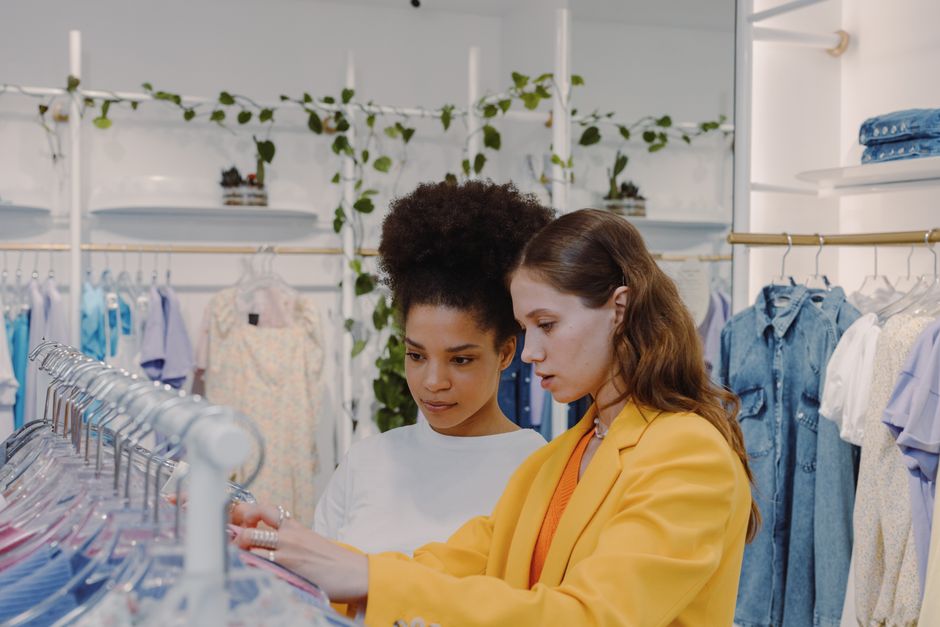
These were the most reliable categories in my year of shopping. The price ceilings below were my personal limits, not promises about the resale market. Condition, location, fabric, and seller reputation can change the value of any item.
| Garment example | Useful details | My buying ceiling | Verdict |
|---|---|---|---|
| Levi’s 501 jeans | Rigid or stretch denim, five-pocket design, easy to measure flat | $40 with sound seams | Best everyday buy when the waist and rise fit correctly |
| Patagonia Better Sweater | Recycled polyester fleece, zip or snap styles, easy care | $70 without pilling or broken hardware | Best cold-weather layer for repeat wear |
| Dr. Martens 1460 boots | Eight-eye leather boot, welted sole construction, heavy break-in period | $80 with intact soles | Worth buying used only when the heel and outsole are still even |
| Eileen Fisher washable silk blouse | Lightweight silk, relaxed cut, delicate-care risk | $45 without pulls or underarm damage | Best occasion piece when the fabric passes a close inspection |
The strongest winner was the Levi’s 501 because it solved a frequent wardrobe need and tolerated regular washing. The riskiest purchase was the Dr. Martens 1460. A used pair can look excellent while hiding uneven wear that changes how the boots feel. For footwear, I inspected the sole before admiring the leather.
What secondhand shopping cannot fix
Secondhand clothing reduces the need for a new item, but it does not prove that the original garment was made fairly. It also does not guarantee that unwanted clothing stays out of landfill. A charity shop may sell an item locally, send it to another market, recycle part of it, or discard it depending on condition and demand. The outcome varies.
That uncertainty changed how I talked about ethical fashion. I stopped using words such as clean, guilt-free, and sustainable as if they were permanent labels. A used polyester dress can still shed plastic fibers during washing. A vintage wool coat may last decades but require specialist cleaning. A cheap resale parcel shipped across a country has a transport cost that a local purchase avoids.
The first failure mode is buying too much
Resale apps create the same scarcity pressure as fast-fashion websites. A listing marked one of a kind can make a mediocre item feel urgent. My fix was to save the listing, close the app, and return later. If the garment sold, another option usually appeared.
The second failure mode is ignoring care
Before buying, I checked if I could afford the time and money needed to wash, mend, steam, or store the item. Dry-clean-only pieces were not wrong, but I bought fewer of them because the care burden reduced how often I wore them.
The third failure mode is treating donation as disposal
I repaired, swapped, sold, or reused clothing before donating it. Donation is useful when the garment is clean, wearable, and suited to the shop. It is not a free exit for stained, damaged, or unusable textiles.
Questions I still get about ethical secondhand shopping
Is secondhand clothing always cheaper?
No. Popular denim, premium knitwear, leather goods, and vintage designer pieces can cost more than new sale items. I compared total cost, condition, repair risk, and expected wears instead of assuming a used label meant a good deal.
Should I avoid synthetic fabrics?
No. Fiber choice has tradeoffs. A polyester fleece that replaces several short-lived jackets may serve a practical purpose, while a poorly made cotton shirt may wear out quickly. I favored durable construction and frequent use, then followed the care instructions to reduce damage.
When should I buy new instead?
Buy new when safety, hygiene, fit, or reliable performance matters more than resale. Underwear, worn-out running shoes, protective clothing, and badly damaged basics were clear examples for me. Buying fewer new items from a transparent brand was better than buying a used item I would not wear.
For classic wardrobe pieces, the Levi’s 501 was my strongest all-around pick. For a warm layer, the Patagonia Better Sweater offered the clearest balance of durability and easy care. For boots, I bought used Dr. Martens 1460 only after checking the sole, heel, and interior.
How to build a secondhand wardrobe that stays useful
After a year, I no longer see ethical shopping as a hunt for perfect clothes. It is a risk-screening process. I ask what the garment replaces, how often I will wear it, what it will cost to maintain, and what happens when I no longer want it.
- Start with five wardrobe gaps, not a broad wish list.
- Set a price ceiling before opening a resale app.
- Measure a garment you already own and compare those measurements with the listing.
- Inspect seams, closures, fabric, odor, and care requirements.
- Wait 48 hours before buying anything that was not on the list.
- Keep a repair fund for zippers, buttons, hems, and small alterations.
- Choose the item you expect to wear most, not the item with the lowest price.
The process left me with a smaller wardrobe and fewer purchases that needed excuses. I still buy new clothes when secondhand cannot meet the need. That is the honest resolution to my year-long experiment: ethical shopping is not about proving that every purchase is pure. It is about making fewer careless purchases and giving each garment a real working life.