
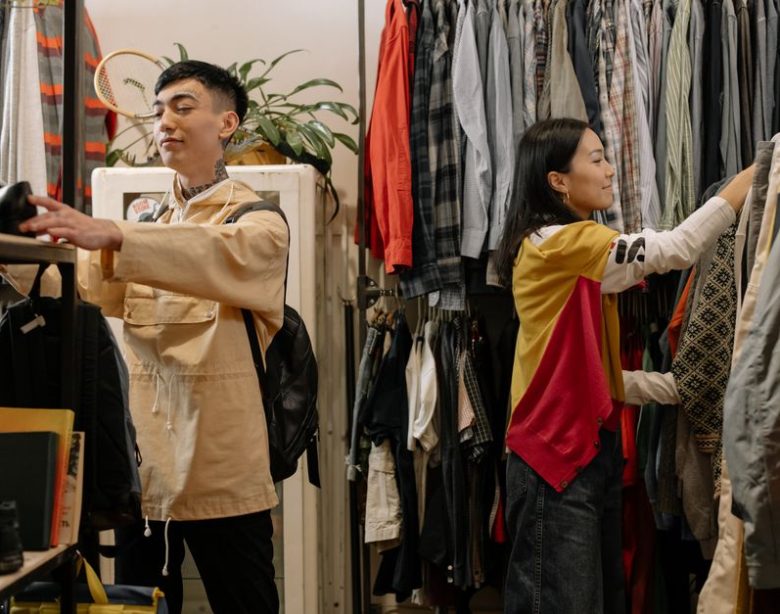
The common misconception is simple: fast fashion saves money because each item costs less. That logic ignores how often low-cost clothes lose their shape, sit unworn, or get replaced after a few washes. I switched to secondhand clothing because the better question is not What is the lowest price today? It is What will this garment cost per useful wear?
This is not legal advice — consult a licensed attorney.
Why fast fashion feels cheap but costs more
Fast fashion solves a real problem: it gives shoppers quick access to current silhouettes at prices that fit a tight budget. The weakness sits in the speed of the cycle. When a shirt costs $12, the price can encourage an impulse purchase, even if the fabric feels thin or the cut works with nothing already in the closet. A $12 garment worn twice costs $6 per wear. A $40 secondhand jacket worn 40 times costs $1 per wear.
The price tag hides the replacement cycle
Cheap clothing becomes expensive when the wearer replaces it three or four times. Common failure points include twisted seams, pilling at the underarm, broken zippers, and fabric that becomes transparent after washing. These problems do not appear on the checkout page. They show up when a favorite item needs repair, when a work outfit looks tired, or when a closet fills with pieces that cannot form a complete outfit.
Secondhand changes the buying question
Secondhand shopping adds friction, but that friction can protect a budget. A resale listing usually shows the exact garment, its measurements, its wear, and its current condition. The shopper has a reason to pause and compare. That pause also makes it easier to reject a trend that will only work for one event. My verdict is clear: for everyday basics and outerwear, a well-checked secondhand item is usually the smarter purchase when the new alternative would be an impulse buy. The exception is a low-cost item needed for a short-term task, such as a one-time costume or a messy renovation project.
How to inspect secondhand clothing in five minutes
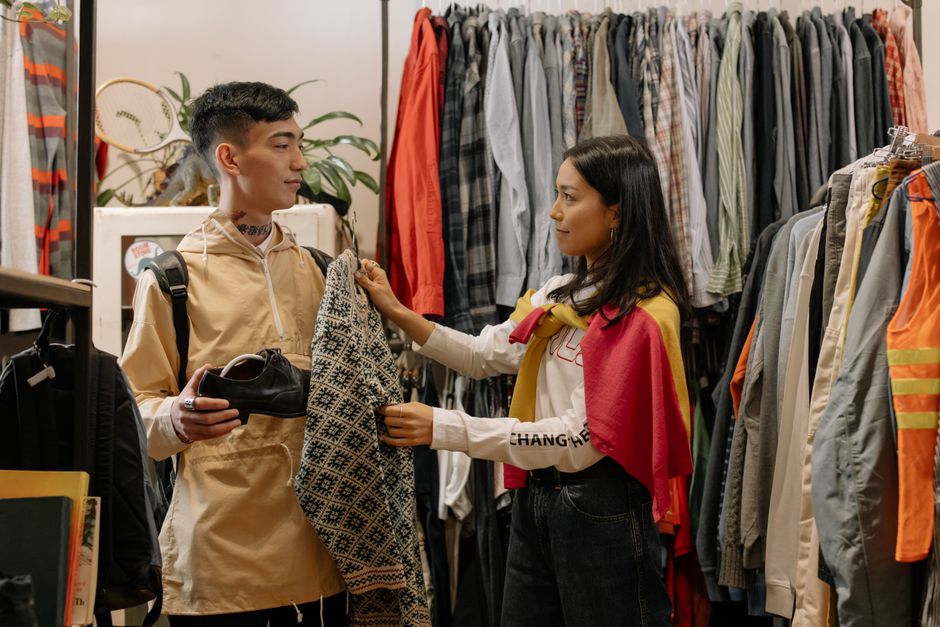
A thrift-store rack can feel chaotic, but a repeatable inspection keeps the decision practical. Do not buy a garment because the label is familiar or the discount looks dramatic.
Use this five-minute inspection
- Check the fabric. Hold the garment toward light and look for thinning, shiny patches, snags, or uneven color. Natural fibers should not automatically win; a sturdy cotton blend can outlast delicate linen.
- Inspect the seams. Pull the fabric gently beside the side seam, shoulder seam, and waistband. Gaps, loose threads, and puckering signal construction trouble.
- Test the closures. Zip every zipper, fasten each button, and check hooks for bending. Replacement hardware can cost more than the garment.
- Measure the fit. Use a tape measure for chest, waist, rise, inseam, and total length. Vintage sizing often differs from modern sizing by one or two size labels.
- Search for hidden damage. Look beneath collars, inside cuffs, underarms, and along hems. These areas reveal deodorant marks, moth holes, stains, and repair work.
- Smell the garment outside the store. Strong fragrance or damp odor can remain after washing. Put the item back if the smell suggests mildew rather than ordinary storage.
Know which flaws deserve a pass
A missing button is often a simple repair. A torn armhole, stretched elastic waist, damaged lining, or fabric worn smooth at the seat is a different matter. Estimate the repair before paying. My rule is to buy a flawed garment only when the repair is clear, cheap, and worth doing immediately. If the item needs several uncertain fixes, the bargain has already disappeared.
Is secondhand clothing really more sustainable?
Secondhand clothing can extend a garment’s useful life, but the label does not make every purchase responsible. A shopper can still overbuy, make unnecessary delivery trips, or purchase items that will never leave the closet. Sustainability comes from longer use, lower replacement frequency, and better care.
Compare the decision by use, not by image
| Choice | Typical upfront cost | Main benefit | Main risk |
|---|---|---|---|
| New fast-fashion top | $10–$25 | Easy access and current trend | Short wear life or impulse purchase |
| Secondhand everyday top | $8–$30 | Lower cost with existing wear history | Hidden damage or poor fit |
| New durable basic | $35–$100 | Predictable condition and returns | Higher upfront price |
| Secondhand durable basic | $20–$70 | Lower price for an established garment | Limited stock and uncertain measurements |
The best environmental win is the item you keep
A secondhand dress that gets worn once is not a strong result. A new shirt worn for five years may serve its owner better than a thrifted shirt abandoned after one season. The useful test is wear count. Before buying, name three outfits and one occasion for the garment. If you cannot do that in a minute, leave it behind. That rule cuts down on novelty purchases and keeps the wardrobe tied to real life.
Where resale creates a tradeoff
Online resale expands choice but adds shipping, packaging, and return risk. Local thrift shopping saves delivery materials but may require a separate car trip. Bundle purchases and planned errands can reduce that cost. My verdict: secondhand is strongest when the item replaces a planned purchase, travels a short distance, and receives frequent wear.
Which clothing labels are worth hunting secondhand?
Patagonia Better Sweater, Levi’s 501, Barbour Bedale, and Dr. Martens 1460 are useful resale examples because shoppers can compare fabric, construction, measurements, and condition against a known design. The brand name alone proves nothing. The garment still needs a careful inspection.
Set a price ceiling before searching
For a Levi’s 501 jean in clean condition, I would set a personal ceiling of $25–$60 depending on wash, size, and alterations. A Patagonia Better Sweater with intact fleece and a working zipper earns a $45–$90 ceiling. For a Barbour Bedale, the lining, wax condition, and collar matter more than a low sticker price; $80–$180 can be reasonable when the jacket is structurally sound. These are buying limits, not fixed market values. Shipping, tax, tailoring, and cleaning belong in the final total.
Choose construction over label prestige
Dr. Martens 1460 boots can make sense secondhand around $45–$110 when the soles still have usable tread and the leather is not split at the flex point. They are a poor choice when the boots need new soles, have deep heel wear, or feel uncomfortable after ten minutes. For each example, my verdict is the same: buy the garment only when its condition supports the price and the item fills a real gap. A famous label cannot rescue the wrong size or a damaged fabric.
When is secondhand clothing the wrong choice?
Secondhand is a strong default, not a moral test. Some purchases need predictable hygiene, exact sizing, reliable returns, or technical performance that is hard to judge from a listing.
Should I buy secondhand underwear or swimwear?
Usually no, unless the item is new with tags and the seller provides a clear condition statement. Fit and hygiene are personal concerns, and the small saving rarely offsets uncertainty. New underwear, socks, and swimwear are the better choice for most shoppers. The same logic can apply to heavily worn athletic base layers.
What about technical clothing?
Secondhand rain shells, ski layers, and hiking shoes need extra caution. Waterproof coatings can degrade while the outside still looks attractive. Check seam tape, delamination, sole compression, and the manufacturer’s care instructions. For a storm shell needed for a scheduled trip, a new item with a return policy may be safer than an untested resale piece. For casual city wear, a used wool coat or cotton overshirt presents far less performance risk.
When should I buy new?
Buy new when safety, sanitation, fit, or return protection matters more than the lower price. A new work uniform may also be sensible if the employer requires an exact specification. The mistake is treating every new purchase as wasteful or every secondhand purchase as wise. My verdict: use resale first for ordinary garments, then choose new when failure would create a bigger cost than the price difference.
How to build a secondhand-first wardrobe in 2026
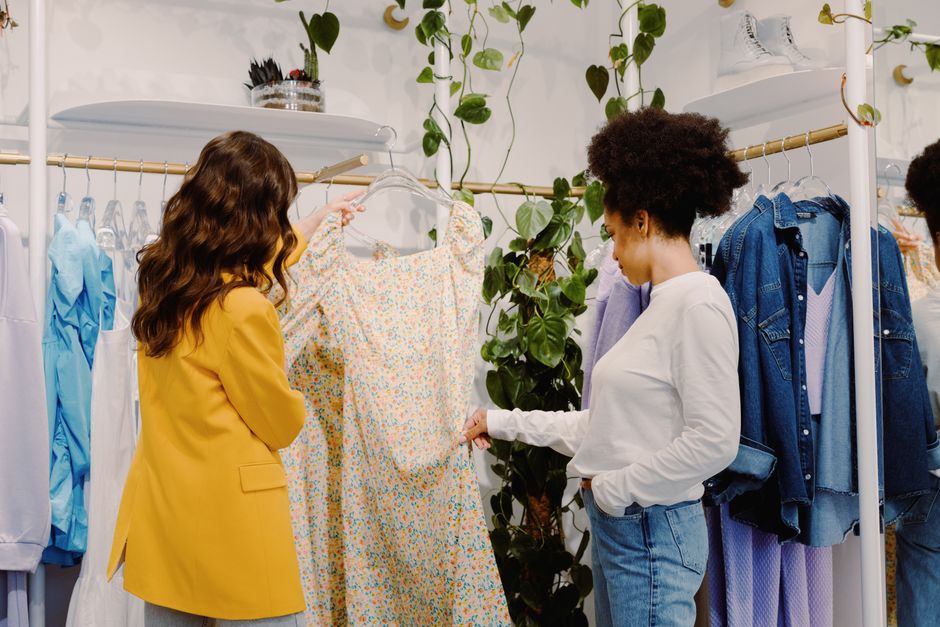
Start with replacement, not reinvention. I switched successfully by waiting for worn-out garments to create a clear need. That approach avoids buying a secondhand version of a trend simply because it is cheap.
Follow a 30-day buying rule
- Write down the item you need, the color range, and the minimum fabric or construction standard.
- Check your existing wardrobe and name at least three outfits the replacement must support.
- Search local resale shops and online listings for 30 days instead of buying the first acceptable option.
- Record measurements, condition, total cost, and expected wears before paying.
- After purchase, wash or clean the garment according to its care label and repair small flaws immediately.
Use a simple decision threshold
A secondhand item earns a place when it fits now, works with several existing pieces, and costs less per expected wear than the new alternative. If it fails one of those tests, patience is better than a bargain. Keep the wardrobe practical: two dependable pairs of trousers can matter more than six unusual tops, and one well-made jacket can carry more outfits than several fragile seasonal pieces.
The short answer is that secondhand clothing works best when the shopper buys less, checks more, and keeps each garment in service.
| Buying goal | Best choice | Reason |
|---|---|---|
| Everyday basics | Secondhand first | Lower price and easy condition checks |
| Durable outerwear | Secondhand when verified | Good value if fabric and hardware are sound |
| Hygiene-sensitive items | New | Greater certainty and easier returns |
| Technical clothing for a fixed event | New or professionally inspected resale | Performance failure can cost more than the saving |