Late spring weddings call for outfits that look polished but can handle warm afternoons, cool evenings, and sudden rain. The best choice combines the invitation’s dress code with breathable fabric, useful layers, and shoes you can wear for several hours.
How formal should a late spring wedding outfit be?
Follow the dress code before you follow the season. Late spring does not automatically mean floral dresses, pale colors, or casual tailoring. A May wedding at a hotel ballroom may require the same level of polish as an autumn event, while a ceremony in a field may call for a more relaxed outfit that will not sink into the grass.
Read the invitation for the real dress code
Black tie calls for a floor-length gown, formal jumpsuit, or dark tuxedo. Black tie optional gives you room to choose a long dress or a sharp dark suit. For cocktail attire, select a knee-length or midi dress, a tailored suit, or dressy separates. Semi-formal usually works with a refined midi dress, a polished blouse and wide-leg trousers, or a lightweight suit without a tie.
If the invitation says garden party, festive, or no specific dress code, choose cocktail-level clothing with lighter color and texture. A printed midi dress, relaxed blazer, or silk shirt can look celebratory without appearing overdressed.
Match the venue, not just the month
Use the venue as a practical filter. A city restaurant suits sleek tailoring and dress shoes. A garden needs block heels, wedges, or flat dress shoes that will not catch in soft ground. A beach ceremony favors flat sandals, a breathable suit, or a dress that will not drag through sand. The strongest outfit is the one that matches both the social expectation and the physical setting.
Which colors and fabrics work best in late spring?
The winning late spring palette is clear, muted, and easy to dress up. Choose color for the wedding’s formality, then choose fabric for the weather. Pale shades look fresh, but darker jewel tones can work beautifully for evening ceremonies.
Use this color and fabric guide
| Wedding setting | Reliable colors | Best fabric direction | Why it works |
|---|---|---|---|
| Daytime garden | Sage, butter yellow, dusty blue | Cotton poplin, linen blend, chiffon | Light and festive without looking childish |
| Hotel or restaurant | Navy, berry, emerald, taupe | Crepe, silk blend, polished twill | More structured and evening-ready |
| Beach or outdoor lawn | Coral, sky blue, sand, soft green | Airy linen blend, cotton voile, lightweight silk | Moves well and feels cooler |
| Evening ceremony | Plum, navy, chocolate, deep teal | Satin, velvet accents, smooth crepe | Creates depth after sunset |
Know which colors to handle carefully
White, ivory, and very pale champagne remain risky because they can photograph like bridal clothing. Neon shades can dominate group photos, especially in bright sun. All-black clothing is acceptable for many formal weddings, but add texture, shine, or a lighter accessory if the event feels festive rather than solemn. Red can work, but a very bright version may draw more attention than intended.
For most guests, the best color choice is one step softer than a winter outfit and one step richer than a beach cover-up. That balance looks seasonal without turning the outfit into a costume.
How to dress for a cool morning and warm reception
Late spring weather changes quickly. A ceremony may begin at 3 p.m. in comfortable sunshine, then end after dark when the temperature drops. Outdoor venues also create wind, damp grass, and uneven ground. The practical answer is a planned layer, not a bulky coat that hides the outfit.
Build the outfit around one removable layer
Start with a dress, skirt, or shirt that looks complete on its own. Add a cropped jacket, lightweight blazer, silk scarf, fine-gauge cardigan, or tailored wrap. The layer should cover the shoulders if the ceremony takes place in a religious space or formal indoor venue. It should also fit over the widest part of the outfit without pulling at the buttons.
A blazer gives the sharpest result with trousers, a slip dress, or a column skirt. A wrap feels softer with a printed dress. A cardigan works best for a daytime celebration with a relaxed dress code, but choose a smooth knit rather than a chunky weekend sweater.
Choose fabric by the full day, not the forecast high
Breathable fabric matters because guests often spend more time standing, walking, and dancing than they expect. Linen blends release heat but wrinkle more easily. Cotton poplin stays crisp and handles daytime events well. Chiffon adds movement and dries quickly if exposed to light moisture. Crepe resists wrinkles and looks formal, but heavier versions can feel warm in direct sun. Satin looks elegant but may show sweat, water marks, or creases.
Layering also affects undergarments and accessories. Test the full combination at home: base outfit, shoes, layer, bag, and jewelry. Sit down, raise your arms, and walk outside for five minutes. If the fabric clings, the shoes rub, or the jacket slips, the problem will be worse after several hours. The best late spring outfit feels finished before the layer comes off and still looks intentional after it is added.
What is the easiest outfit formula to follow?
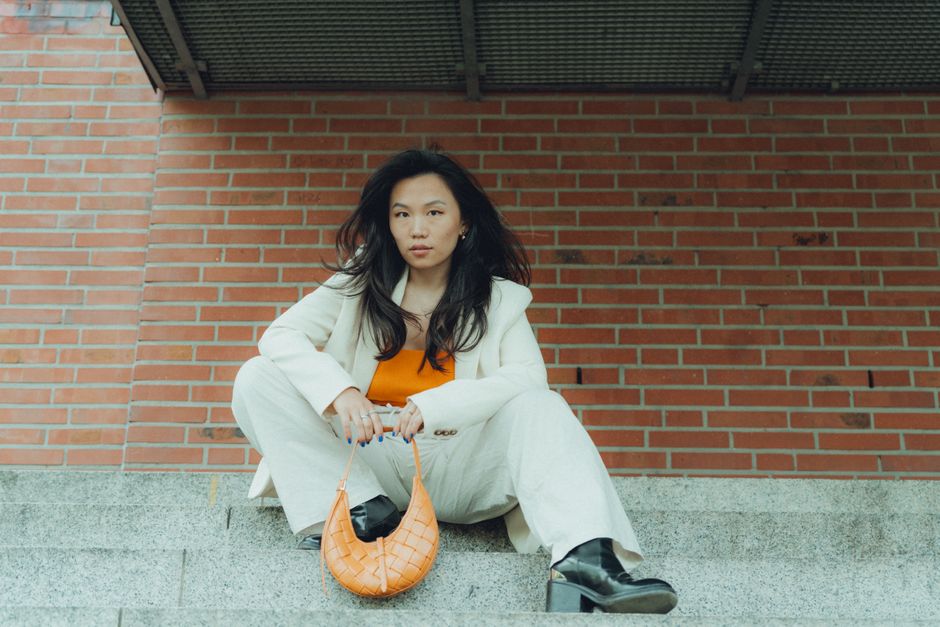
The most dependable formula is one polished main piece, one practical layer, and one accessory that adds ceremony. It keeps the outfit simple while leaving room for weather changes and personal style.
For dresses and jumpsuits
- Choose a midi dress or tailored jumpsuit that fits the stated dress code.
- Pick a color with enough depth to look good in daylight and indoor photos.
- Add one layer that covers the shoulders and packs or drapes neatly.
- Wear block heels, dressy flats, or low sandals suited to the venue.
- Finish with a small bag and one strong accessory, such as earrings or a cuff.
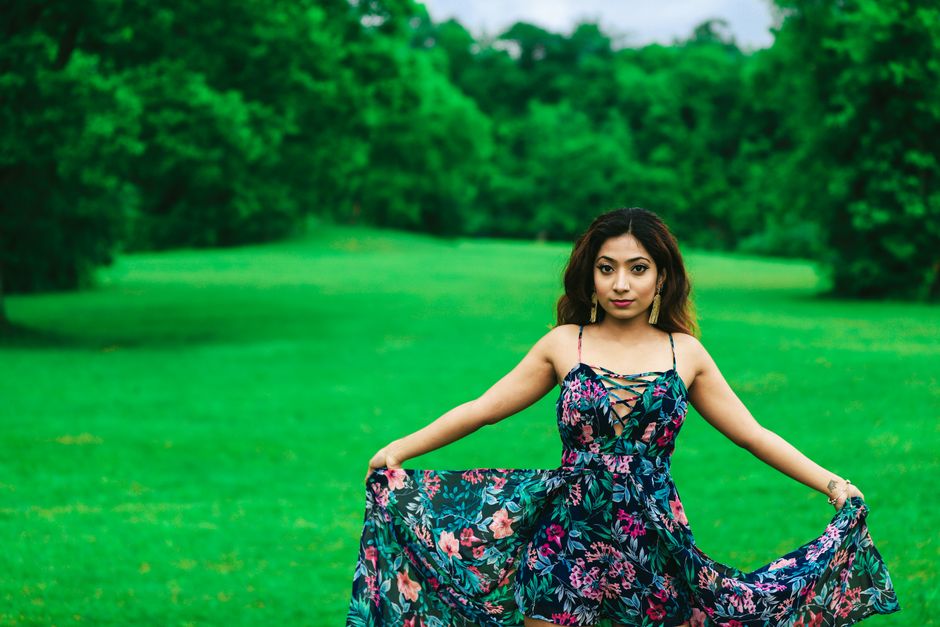
Use recognizable silhouettes as style references, not as a required shopping list. The Reformation Winslow Dress shows how a wrap shape can move easily. J.Crew’s Gwyneth Slip Dress is a useful example of a clean satin column. Boden’s Silk Blend Wrap Dress demonstrates how a soft print can stay polished. Each works because the shape, fabric, and styling match the event.
For suits and separates
Choose a lightweight suit in navy, taupe, pale gray, or a muted seasonal color. A shirt with an open collar can suit cocktail or semi-formal dress codes, while a tie raises the formality quickly. For separates, pair wide-leg trousers with a tucked silk shirt or a structured top. Add loafers, leather sandals, or clean dress shoes rather than casual sneakers.
Keep one element tailored. If the trousers are relaxed, choose a fitted jacket. If the jacket is loose, use a cleaner trouser line underneath. This prevents breathable clothing from looking like vacation clothing.
Which late spring wedding guest mistakes should you avoid?
The clearest rule is simple: solve comfort problems with better fabric and smarter accessories, not with clothing that looks casual. A wedding outfit should still look deliberate after several hours.
Common mistakes that cause trouble
- Wearing stilettos to a lawn ceremony. Choose a block heel, wedge, or polished flat instead.
- Choosing a strapless outfit without a tested layer. Evening wind can make the outfit uncomfortable and distracting.
- Wearing heavy polyester in direct sun. It can trap heat and show moisture quickly.
- Picking a hat that blocks the view of guests behind you or competes with the ceremony setting.
- Using a large everyday tote. A compact shoulder bag or clutch looks more intentional and is easier to carry.
- Ignoring the venue surface. Sand, gravel, grass, cobblestones, and polished floors all change the best shoe choice.
When should you not buy a new wedding outfit?
Do not buy a new outfit just because the event is in late spring. If you already own a polished midi dress, a tailored suit, or a strong set of separates, change the shoes, layer, and accessories first. A new purchase makes sense only when your current clothes fail the dress code, fit poorly, cannot handle the venue, or leave you without a weather plan.
Try the full outfit before shopping again. Many guests need a better layer or more stable shoe, not another main garment.
Which outfit wins for each late spring wedding setting?
The final choice should be specific to the venue, time, and dress code. Use this comparison as a quick decision tool. The best outfit is the one that looks formal enough for the invitation and practical enough for the ground beneath your feet.
Best choices by setting
| Setting | Best guest outfit | Best shoes | Layer to carry |
|---|---|---|---|
| Formal hotel wedding | Long dress, formal jumpsuit, or dark suit | Dress shoes or refined heels | Tailored jacket or elegant wrap |
| Restaurant cocktail wedding | Polished midi dress or coordinated suit | Block heels, loafers, or dress flats | Cropped blazer |
| Garden wedding | Printed midi, tailored separates, or light suit | Wedges, block heels, or flats | Cardigan or short jacket |
| Beach wedding | Breathable dress, jumpsuit, or relaxed suit | Flat sandals or dressy espadrilles | Light shirt or unlined jacket |
The short verdict
For most late spring weddings, choose a midi dress or lightweight suit in a muted seasonal color, add one removable layer, and wear shoes suited to the venue. That combination handles dress codes, temperature changes, photographs, and long receptions without looking overworked.