
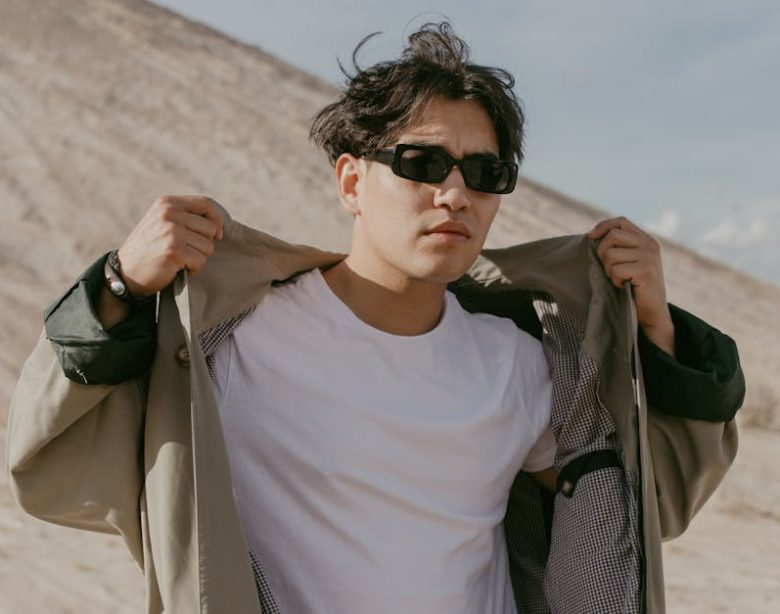
Precision in a t-shirt is the difference between a garment that merely covers the frame and one that actively sculpts it. While many consumers view the t-shirt as a basic commodity, the “slim fit” variant represents a sophisticated intersection of textile science and ergonomic design. A prevalent misconception in menswear suggests that achieving a slim fit is merely a matter of selecting a smaller size. This logic is flawed. When a consumer sizes down in a standard or “relaxed” cut garment, the proportions become distorted rather than refined. The shoulder seams often migrate toward the neck, the armholes remain too low—restricting movement—and the length frequently becomes insufficient. A true slim fit t-shirt is an engineered garment. It requires a specific geometric approach where the chest-to-waist ratio is narrowed, the armholes are positioned higher to eliminate excess fabric under the bicep, and the sleeve opening is tapered to follow the contour of the arm. Understanding these technical distinctions is the first step in identifying a shirt that maintains its silhouette throughout a full day of wear.
Why Slim Fit Engineering Differs From Standard Tailoring
The architecture of a slim fit t-shirt relies on the “drop”—the mathematical difference between the chest measurement and the waist measurement. In a standard boxy tee, this drop is often zero or negligible, resulting in a cylindrical shape that ignores the natural human V-taper. In a high-quality slim fit, the waist is typically two to four inches narrower than the chest. This prevents the bunching of fabric around the midsection when tucked or untucked, which is essential for maintaining a clean, professional aesthetic. Furthermore, the pitch of the sleeve is adjusted. By tilting the sleeve slightly forward and narrowing the circumference of the sleeve opening, manufacturers create a more athletic profile that avoids the “winged” effect common in lower-quality garments where the sleeves flare outward.
Shoulder construction also plays a vital role in the beauty of the fit. A slim fit shirt generally features a narrower shoulder width, ensuring the seam sits directly on the acromion bone—the highest point of the shoulder. This alignment is critical because it prevents the fabric from draping awkwardly over the deltoid, which can make the wearer look slouched. If the shoulder seam is too wide, the shirt appears oversized regardless of how tight it is across the chest. Conversely, if it is too narrow, it creates tension lines across the upper back and neck. The best t shirts slim fit designs balance these measurements using high-recovery fabrics that allow for a close fit without sacrificing the wearer’s range of motion or causing the neckline to pull.
Evaluating Fabric Weight and Material Integrity
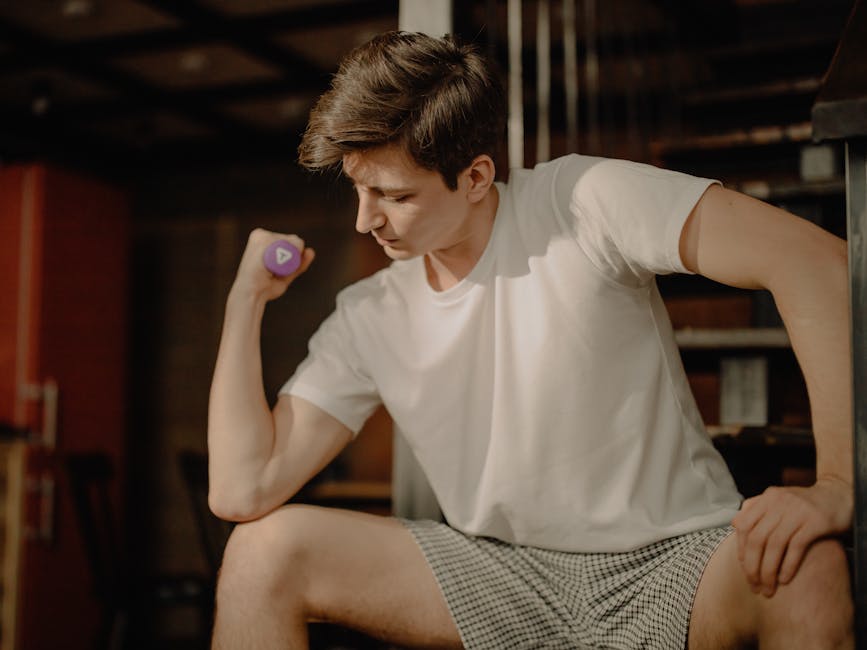
The durability of a slim fit silhouette is inextricably linked to fabric density, measured in Grams per Square Meter (GSM). A lightweight fabric (120-140 GSM) may feel comfortable in high temperatures, but it often lacks the structural integrity to maintain a slim shape after repeated launderings. These thinner materials are prone to “torquing,” where the side seams twist around the body due to the internal stresses of the knit. For a reliable slim fit, a mid-weight fabric ranging from 160 to 190 GSM is generally superior. This weight provides enough substance to drape cleanly over the body’s contours without being overly bulky or highlighting every minor skin imperfection.
Material composition is the second pillar of integrity. While 100% cotton is the industry standard, the grade of cotton determines the shirt’s lifespan. Long-staple fibers, such as Supima or Egyptian cotton, produce smoother yarns with fewer loose ends. This results in a fabric that is less likely to pill or stretch out of shape. Some modern slim fit shirts incorporate a small percentage of elastane (typically 2% to 5%). While purists may prefer 100% natural fibers, this synthetic addition significantly improves shape retention. It allows the shirt to stretch as the wearer moves and, more importantly, to snap back to its original dimensions afterward. Without this recovery, a slim shirt can become permanently baggy in high-stress areas like the elbows, the chest, or the hemline.
Comparison of Leading Slim Fit T-Shirt Models
To identify the best options currently available, we must look at specific technical specifications and real-world performance metrics. The following table provides a breakdown of high-performance slim fit shirts across various price points, focusing on material quality and structural features.
| Brand & Model | Approx. Price | Material | Key Feature | Primary Con |
|---|---|---|---|---|
| Sunspel Classic Cotton | $90 | 100% Q82 Cotton | Exceptional softness | High price point |
| Buck Mason Pima Curved Hem | $45 | 100% Pima Cotton | Durable neck ribbing | Hem style is polarizing |
| Reigning Champ Lightweight | $60 | 90% Cotton / 10% Poly | Flatlock seams | Slightly more athletic look |
| Uniqlo U Crew Neck | $20 | 100% Heavy Cotton | Structural rigidity | Can feel coarse |
| James Perse Standard | $80 | 100% Combed Jersey | Luxe tactile feel | Prone to minor shrinkage |
Sunspel Classic Cotton T-Shirt
The Sunspel Classic is often cited as the benchmark for luxury slim fits. Utilizing long-staple cotton grown in California and processed in the UK, the Q82 jersey fabric is combed to remove imperfections. The resulting fabric is remarkably smooth and lightweight. The fit is lean through the torso but avoids being restrictive. Pros: Exceptional hand-finished feel and discreet, high-quality stitching that resists fraying even after dozens of washes. Cons: A notable con is the price-to-durability ratio; while the fabric is exquisite, it is relatively fine and requires delicate handling to avoid pinholes from belts or zippers over long-term use.
Buck Mason Pima Curved Hem
Buck Mason has gained traction by focusing on American-sourced Pima cotton with a 145 GSM weight. Their slim fit is characterized by a slightly shorter sleeve and a curved hem designed to elongate the wearer’s silhouette. Pros: The heavy-duty neck ribbing is a standout feature, preventing the “bacon neck” effect common in cheaper shirts. The fabric is pre-washed with enzymes for a broken-in feel. Cons: The curved hem may not suit individuals who prefer a traditional straight-cut bottom, especially when worn untucked with shorter jackets or over slim trousers.
Reigning Champ Lightweight Jersey
Handcrafted in Canada, this shirt is designed with an athletic-slim cut that emphasizes the chest and shoulders. It utilizes a 90/10 cotton-polyester blend to enhance moisture wicking and shape retention. Pros: The use of flatlock seams—where the fabric layers are overlapped and sewn flat—eliminates chafing and provides a rugged, sporty aesthetic. Cons: The inclusion of polyester gives it a slightly more technical appearance, which may not pair as well with formal blazers as a 100% cotton alternative.
Uniqlo U Crew Neck
Designed by Christophe Lemaire’s team in Paris, the Uniqlo U line focuses on heavy-gauge knits. This is a “boxier” version of a slim fit, relying on the stiffness of the fabric to create a clean line. Pros: At $20, it offers unmatched structural rigidity; the fabric is thick enough to hide any undershirts or skin tones perfectly. Cons: The heavy cotton can feel coarse against the skin compared to luxury long-staple varieties, and the fit is less tapered at the waist than true athletic slim models.
James Perse Standard Jersey
James Perse focuses on the “Southern California” aesthetic, using 100% combed jersey that has been carbon-finished for a sueded texture. Pros: The tactile experience is superior to almost any other shirt in its price bracket, feeling incredibly soft from the first wear. Cons: The material is prone to minor shrinkage if exposed to any heat during the drying process, and the necklines tend to be slightly wider, which may not appeal to those who prefer a tight, classic crew neck.
Technical Specifications: Necklines and Seam Construction

When searching for the best t shirts slim fit, the construction of the collar and seams is as important as the torso cut. A slim fit shirt places more stress on the seams because the fabric is held closer to the body during movement. Double-needle stitching at the hem and sleeves is a non-negotiable requirement for longevity. This reinforcement ensures that the edges do not curl or unravel under tension. Furthermore, shoulder-to-shoulder taping—a process where a thin strip of fabric is sewn over the interior shoulder seams—adds structural stability and prevents the shirt from stretching out across the upper back over time.
The neckline is the most visible point of failure in a t-shirt. For a slim fit, a narrower ribbing (around 1.5 cm to 2 cm) is aesthetically more balanced than a wide, chunky collar. Look for “bound” necklines, where the collar fabric is sewn around the edge of the neck opening rather than just attached to it. This construction method provides superior shape retention. In terms of material, a rib-knit collar with a hint of spandex will maintain its grip on the neck far longer than a 100% cotton rib, which tends to expand and lose its circular shape after a few months of wear.
High-density knits provide better opacity. If a white slim fit t-shirt is translucent enough to see skin tone through the fabric, it usually indicates a lower GSM and a higher likelihood of structural failure after five to ten wash cycles.
The Role of Mercerization and Finishing in Garment Longevity
Beyond the knit and the cut, the chemical and mechanical finishing of the fabric plays a massive role in how a slim fit shirt performs. Mercerization is a treatment for cellulosic fabric (cotton) that involves brief immersion in a caustic soda solution. This process causes the cotton fibers to swell, increasing their surface area and making them more reflective. The result is a shirt with a subtle silk-like lustre and a much deeper affinity for dyes, meaning a black slim fit shirt will stay “true black” significantly longer than a non-mercerized version.
Furthermore, mercerization increases the strength of the yarn and its resistance to mildew and shrinkage. For the slim fit enthusiast, this is vital because it ensures the garment maintains its “crisp” appearance even after a long day of wear. Other finishes, such as “singeing,” involve passing the fabric over a flame to burn off stray surface fibers. This prevents pilling—those small balls of fuzz that can make a slim shirt look cheap and aged. When choosing a high-end slim tee, checking for these finishing details can justify the higher price point through extended garment life and better visual presentation.
Selecting the Correct Cut for Specific Body Types
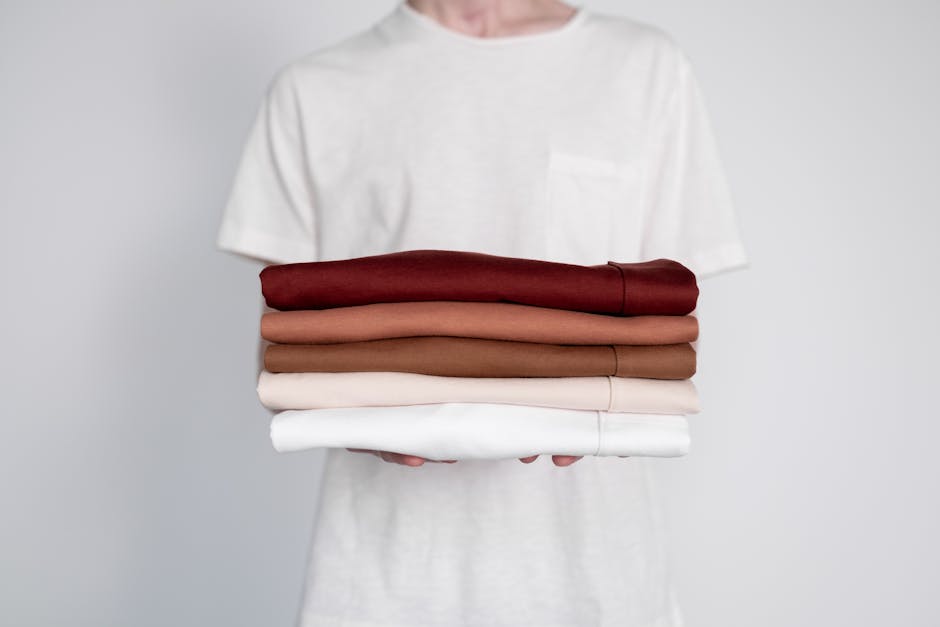
Not all slim fits are designed for the same physique. The industry generally splits these into two sub-categories: the “Skinny Fit” and the “Athletic Slim.” A skinny fit is characterized by a very narrow shoulder and a straight, tight taper from the armpit to the hem. This is ideal for ectomorphs or individuals with a leaner, more linear frame. However, for those with a more developed chest and shoulders (the V-taper), a skinny fit will often pull uncomfortably across the pectoral muscles, creating unsightly horizontal tension lines that break the visual flow of the garment.
The athletic slim fit provides a slightly wider shoulder and more room in the upper chest while maintaining a sharp taper at the waist. This cut accommodates muscle mass without the billowing fabric of a regular fit. When testing a shirt, the “pinch test” is a reliable metric: you should be able to pinch between one and two inches of fabric on either side of the stomach. If you can pinch more than two inches, the shirt is too loose for a slim profile. If you cannot pinch any fabric, the shirt is too tight and will likely suffer from premature seam failure, restricted breathability, and “riding up” throughout the day.
The Impact of Shrinkage on Slim Fit Geometry
Shrinkage is the ultimate enemy of the slim fit. Because these shirts are designed with minimal tolerances, even a 3% reduction in size can render a garment unwearable or transform it into an unintended “crop top.” Most premium brands use “pre-shrunk” or “mercerized” cotton to mitigate this, but some residual shrinkage is inevitable due to the nature of organic fibers. Cotton fibers are under tension during the weaving process; when exposed to water and heat, they relax and contract. In a slim fit shirt, this shrinkage usually occurs vertically (length) and across the chest.
To account for this, many experts recommend looking for shirts that are slightly longer than desired off the rack. A shirt that hits exactly at the mid-fly of your trousers might become too short after the first wash. Furthermore, the method of drying is the most critical factor in preserving the fit. Mechanical drying (the tumble dryer) uses high heat that aggressively contracts fibers and can damage the elastane if the shirt is a blend. For any slim fit shirt costing more than $30, air drying is the only way to ensure the engineered dimensions remain intact over the lifespan of the garment. If you must use a dryer, use the lowest heat setting possible and remove the shirt while it is still slightly damp to finish air drying.
Maintenance Protocols for Contoured Silhouettes
Maintaining the “best t shirts slim fit” status of your wardrobe requires a specific laundry protocol. Beyond avoiding the dryer, the choice of detergent and water temperature matters. Cold water is sufficient for removing most daily oils and perspiration without stressing the cotton fibers or causing the dye to bleed. Harsh detergents with optical brighteners can eventually break down the cellulose in the cotton, leading to a loss of the “snap” or elasticity that defines a good slim fit. Using a pH-neutral detergent helps preserve the integrity of both the color and the fiber structure.
Storage also impacts the fit. Hanging a t-shirt on a thin wire hanger is a recipe for “hanger bumps”—permanent distortions in the shoulder fabric. Because slim fit shirts rely on precise shoulder alignment, these bumps can ruin the silhouette. Folding the shirts and storing them flat is the preferred method. If you must hang them, use wide, contoured cedar or padded hangers that mimic the shape of a human shoulder. By treating the garment as a piece of engineered equipment rather than a disposable commodity, you can extend the peak fit of a high-quality slim tee from months to years.
The Optical Illusion: How Color and Texture Refine the Slim Profile
The final consideration in selecting a slim fit shirt is the visual impact of color and texture. Darker colors—navy, charcoal, and black—are naturally slimming because they absorb light and obscure shadows created by small amounts of excess fabric or body contours. This makes them the safest choice for those transitioning into slim fit styles. Conversely, lighter colors like white or heather grey highlight the architecture of the shirt and the physique of the wearer. Heathered fabrics, which blend multiple tones of yarn, offer a textured look that can hide minor wrinkles and maintain a “crisp” appearance longer than solid, flat colors.
Texture also plays a role in how the shirt interacts with the rest of an outfit. A smooth, mercerized cotton tee has a formal quality that allows it to be worn under a suit jacket or blazer. A more textured, slub-knit cotton (which features intentional irregularities in the yarn) provides a rugged, casual look that pairs better with denim or chore coats. When building a wardrobe, having a mix of these textures ensures that your slim fit silhouette remains appropriate for a variety of social and professional settings, always emphasizing a clean, intentional aesthetic over a sloppy, accidental one.