
8 Ethical Sneaker Brands That Are Actually Stylish (2026)
Most people assume ethical sneakers look like something you’d wear to a 2009 farmer’s market — beige, shapeless, vaguely hemp-adjacent. That’s the misconception I held for years. Then a friend showed up in a pair of Veja V-10s and I spent ten minutes convinced they were plain white Nikes. They weren’t.
I’ve been buying and wearing sustainable sneakers since 2019. Some were great. Some were expensive mistakes. Here’s what I’ve actually learned.
Why Ethical Sneakers Got a Bad Reputation
The early wave of eco-conscious footwear was genuinely unattractive. Brands prioritized the materials story over everything else, and the shoes showed it. Clunky silhouettes, two colorways max, rubber soles that felt like flattened yoga mats.
That era is over.
The brands that survived figured out that buyers won’t sacrifice aesthetics for ethics. Not anymore. The market matured. Now you can get a sneaker built from wild Amazonian rubber and recycled bottles that looks clean enough to pair with a well-fitted slim-cut tee and not have anyone notice the sustainability angle at all.
The other misconception is price. Ethical sneakers are more expensive on average, but not dramatically so. Veja V-10s run about $180. That’s less than Nike Air Force 1 Craft editions or most Adidas Originals collabs. The premium exists, but it’s narrower than people think.
What “Ethical” Actually Means — And What It Doesn’t

This matters more than any brand recommendation I’ll make. If you don’t know what you’re evaluating, you can’t tell a genuine ethical brand from a greenwashing operation with a good PR team.
Certifications worth trusting
B Corp certification is the most rigorous independent standard available to footwear brands. A certified B Corp gets assessed across governance, workers, community, environment, and customers — by third-party auditors who verify the score. Allbirds holds it. Cariuma holds it. Nothing New holds it. It’s hard to fake.
GOTS (Global Organic Textile Standard) matters when a brand uses organic cotton or natural fibers. It covers environmental and social criteria across the full supply chain — from fiber to dyeing to final product. If a brand claims organic cotton without GOTS, treat that claim skeptically.
Fair Trade certification means the workers making the shoes earn fair wages under audited conditions. Veja is the clearest example — they work directly with farming cooperatives in Brazil and pay wages well above the local minimum. They publish supplier names and factory audit results publicly. That level of transparency is rare.
Red flags to watch for
“Made with recycled materials” with no percentage listed. That could mean 2% recycled laces. Legitimate brands name the number: Adidas x Parley uses a minimum of 75% recycled content by weight in their ocean plastic uppers. Anything vague is probably vague on purpose.
“Carbon neutral” without methodology. Some brands offset emissions through low-quality carbon credits. Others, like Allbirds, publish full lifecycle assessments showing actual grams of CO2 per shoe and document how they actively reduce rather than just offset. Those are fundamentally different claims.
What it doesn’t guarantee
Ethical manufacturing doesn’t automatically mean a durable product. A sneaker that falls apart in eight months and ends up in landfill isn’t sustainable regardless of what it was made from. I always cross-check community reviews specifically for sole separation, upper integrity after a year, and whether the brand handles warranty claims. If you want to weigh durability alongside ethics, this breakdown of which sneaker brands actually hold up over time is worth reading alongside this one.
The 8 Brands Side by Side
Here’s where they stand on the metrics that actually matter for a purchase decision.
| Brand | Signature Material | Certification | Entry Price | Style (out of 10) |
|---|---|---|---|---|
| Veja | Wild Amazonian rubber, organic cotton | Fair Trade, GOTS | $150 (Campo) | 9 |
| Cariuma | Bamboo canvas, natural rubber, sugarcane | B Corp, carbon negative | $119 (OCA Low) | 8 |
| Adidas x Parley | Ocean plastic (75%+ recycled by weight) | Parley Ocean Plastic standard | $90 (Stan Smith) | 8 |
| On Running Cyclon | Castor bean Pebax, recycled nylon | Subscription recycling program | $29.99/month | 8 |
| Allbirds | Merino wool, eucalyptus fiber | B Corp, carbon neutral published | $125 (Wool Lounger) | 7 |
| Nothing New | Recycled plastic bottles, natural rubber | B Corp | $95 (Classic Low) | 7 |
| Thousand Fell | Recycled and bio-based, fully recyclable | B Corp | $130 | 7 |
| Saola | Recycled plastic, algae foam, cork footbed | 1% for the Planet | $110 (Cannon) | 7 |
Veja wins on style by a clear margin. The V-10 silhouette reads as a mainline designer sneaker to anyone who doesn’t already know the brand. Cariuma’s OCA Low holds up well visually — a casual, skate-adjacent look that works with denim and relaxed fits. Adidas x Parley benefits from Adidas’s design infrastructure, so the silhouettes are familiar and versatile rather than conspicuously eco-branded.
The Single Best Pick
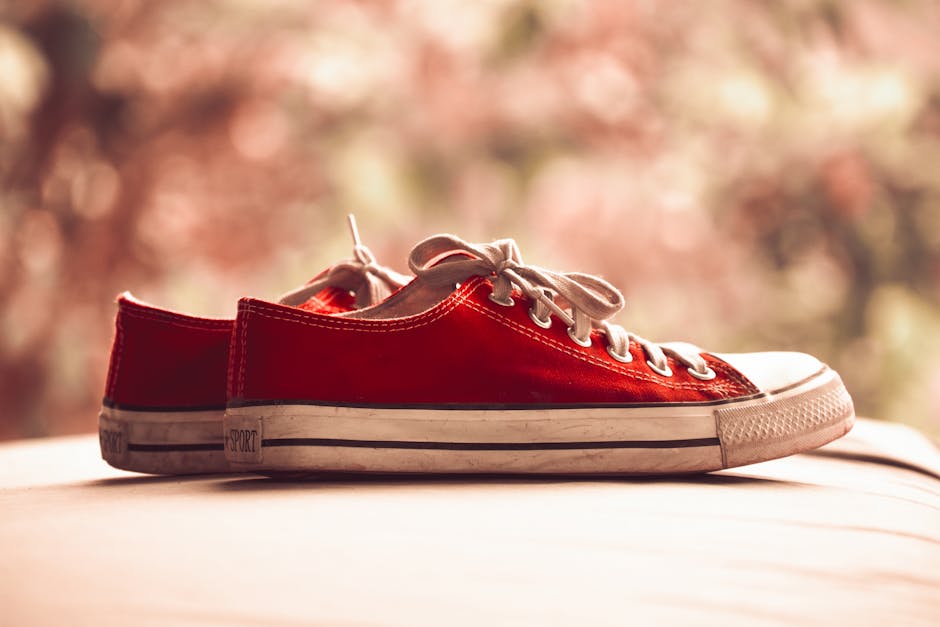
Buy the Veja V-10 in white/white ($180). No other ethical sneaker comes close on the style-to-ethics ratio. They look expensive, they wear well, and you don’t have to explain the brand to anyone — it’s mainstream enough now that wearing them reads as a deliberate choice, not a principled compromise.
Match the Brand to How You Actually Dress
Style needs vary. Here’s the honest breakdown by aesthetic and use case:
- Minimalist / clean — Veja Campo ($150) or V-10 ($180). The all-white Campo is the more low-key of the two. Works with chinos, raw denim, or tailored shorts equally well.
- Athleisure or running crossover — Adidas x Parley Ultra Boost ($120–$140). The knit upper and Boost midsole look as good off the track as on it, and the colorways are genuinely solid.
- Casual / skate-influenced — Cariuma OCA Low ($119). Bamboo canvas and a vulcanized look that pairs naturally with straight-leg jeans and relaxed shirts. The brand plants two trees per pair sold in the Amazon — carbon negative from day one.
- Budget-conscious — Nothing New Classic Low ($95). B Corp certified, recycled materials throughout, and the most conventional silhouette in this group. Looks like a clean white low-top. That’s exactly what it is.
- Tech / performance — On Running Cyclon ($29.99/month subscription). You return them when they wear out, get a fresh pair sent back. The upper is 100% Pebax derived from castor beans. Distinctly On in shape — the heel cutout either works for you or it doesn’t.
- All-day comfort — Allbirds Tree Runner Go ($135). The eucalyptus fiber upper is breathable and soft underfoot. Not the sharpest-looking option, but these are what I reach for on long days when I know I’ll be on my feet for hours. If joint comfort is a real consideration, it helps to understand what podiatrists look for in supportive footwear before committing to any sneaker.
- Fully circular — Thousand Fell ($130–$150). Ship them back when worn out; they’re ground into material for new soles. Classic court shoe shape. Nothing adventurous, but the end-of-life story is genuinely better than anything else in this list.
- Outdoors-adjacent — Saola Cannon ($130). Algae foam midsole, cork footbed, recycled upper. Built for light terrain and active days rather than trail running specifically. The construction holds up better in mixed conditions than most fashion-first sustainable sneakers.
Greenwashing Is Rampant in This Category
Brands count on consumers not reading past the homepage copy. I’ve developed a simple test: search “[brand name] sustainability report” and see if an actual document appears. Real ethical brands publish annual reports with specific numbers — emissions per unit, percentage of recycled content by weight, factory audit results by supplier. If all you find is a lifestyle blog post about their “commitment to the planet,” move on.
The Higg Index — developed by the Sustainable Apparel Coalition — is a measurement tool some brands use and publish. Others have rejected it specifically because the methodology favors synthetic materials over natural ones in certain environmental categories. Veja pulled out of Higg and explained publicly why. That kind of principled, transparent disagreement with an industry standard is actually a credibility signal, not a red flag.
Watch for brands that offset rather than reduce. Carbon offsets exist on a wide quality spectrum, and a brand that buys tree-planting credits to balance an unchanged manufacturing process is doing something meaningfully different from a brand that redesigned its supply chain to produce fewer emissions. Both might use the phrase “carbon neutral.” Only one actually changed anything upstream.
One pattern I’ve noticed: brands that lead their marketing with the word “sustainable” tend to be less rigorous than brands whose third-party certifications do the talking. Cariuma doesn’t lead with “sustainable” — they lead with B Corp status and carbon-negative verification. That’s the difference between earned trust and asserted trust.
Common Questions, Direct Answers
Do ethical sneakers last as long as conventional ones?
Varies significantly by brand. Veja V-10s hold up well — thick sole, durable upper, and mine have gone two years without meaningful wear issues. Allbirds show wear faster, especially the wool upper around the toe box. Cariuma and Nothing New fall roughly in the middle. None have the reinforced construction of a high-end New Balance 990 or Nike Pegasus, but they’re comparable to mid-range conventional sneakers in real-world use.
Is the price premium worth it?
For Veja, yes — the style justifies it independently of the ethics. For Nothing New at $95, there’s barely a premium at all compared to equivalent conventional white sneakers. Cariuma at $119–$159 is slightly above market, but the B Corp certification and carbon-negative status represent actual costs the brand absorbs. Allbirds at $135 is competitive with comfort-focused alternatives from conventional brands. The premium is real but smaller than the perception.
What’s the most stylish ethical sneaker right now?
Veja V-10. Not a contest. The Campo is a strong second for anyone who wants something lower-profile, and Cariuma’s Salvas mid-top (when available in the right colorway) is genuinely sharp. But V-10 is what I’d point to for one pair that handles casual daywear through dressed-down evening looks without effort.
Do any ethical brands offer extended sizing or wider fits?
This is a genuine gap. Veja runs true to European sizing and offers no extended widths. Allbirds accommodates slightly wider feet but still has limited size range. Nothing New offers half sizes across their full lineup, which helps. The ethical sneaker category as a whole has underfocused on fit diversity — it’s an area where conventional brands still have a clear advantage.
The direction of the ethical sneaker space in 2026 is clear: the style gap with conventional footwear has effectively closed at the top end, supply chain transparency is becoming table stakes rather than a differentiator, and circular models like On Running’s Cyclon are proving the subscription-and-return concept works at scale. The question will stop being “can I find an ethical sneaker that actually looks good?” and start being something harder — how to tell which brands are genuinely transforming manufacturing versus performing sustainability for a market that increasingly demands it.