I’ve read over 40 style guide books in the last six years. The first 30 were a waste of money. They all follow the same script: “Dress for your body type,” “Invest in basics,” “Accessorize.” Generic advice that sounds smart but gives you zero actionable steps. The problem isn’t that you need more fashion inspiration. It’s that most books never explain why certain cuts work, how fabric drapes, or what to look for when you’re standing in a dressing room. After filtering through the noise, I found exactly three books that actually changed how I dress. This is what they teach you — and why the other 37 belong in a donation bin.
What Most Style Guides Get Wrong
Walk into any bookstore and you’ll see the same titles. “The Little Guide to Style.” “How to Dress Like a Parisian.” “The 10-Piece Wardrobe.” They’re thin. Literally — most clock in under 150 pages with giant photos. And the advice is so vague it’s useless.
Here’s the real failure: these books treat style like a set of rules instead of a system. They tell you to “buy quality pieces” but never define what quality looks like. They say “find your signature style” but offer no process for discovering it. The result? You finish the book feeling inspired, go shopping, and buy the same mistakes you always buy.
I tracked this. After reading “The Curated Closet” — one of the good ones — I spent $320 on pieces I actually wore for over two years. After reading a generic “French girl” style book, I bought a striped boatneck top and a trench coat I’ve worn exactly three times total. The difference isn’t motivation. It’s methodology.
Real style education covers three things that most books skip entirely: fit mechanics (how a garment should sit on your body), fabric behavior (how materials drape, stretch, and hold shape), and decision frameworks (how to evaluate a piece before buying). Without those, you’re just guessing.
The 3 Style Guide Books That Actually Deliver

After 40+ books, these three are the only ones I’d recommend to anyone serious about improving their style. They’re the ones I return to, the ones I’ve lent out and never gotten back, and the ones that actually changed my shopping habits.
1. “How to Get Dressed” by Alison Freer ($16, 256 pages)
Alison Freer is a Hollywood costume designer who dressed actors for TV shows. Her book is the most practical style guide I’ve ever read. She doesn’t talk about “finding your aesthetic.” She talks about hem lengths, shoulder seams, and why your jeans gap at the waist.
This book taught me three things no other book did: how to measure your own body for online shopping (chest, waist, hip, inseam — write them down), what alterations are worth paying for (hemming pants: $12-20, taking in a waist: $25, shortening sleeves: $15), and why 90% of fit problems come from ignoring your shoulder width. She includes a chapter on garment care that saved me from ruining a $180 wool coat. I used to dry clean everything. Now I know that most wool only needs steaming and spot cleaning.
The book has zero photos. It’s all text and line drawings. That’s a feature, not a bug. You’re forced to think about construction instead of copying a look.
2. “The Curated Closet” by Anuschka Rees ($18, 288 pages)
This is the only style book I’ve seen that treats personal style like a design problem. Rees is a minimalist who spent years analyzing how people actually dress. Her book is built around a system: you define your style goals, audit your current wardrobe, identify gaps, and build a shopping list. It’s not sexy. It works.
The core of the book is a series of worksheets. You rate your current clothes on fit, color, and how often you wear them. You identify patterns — for me, I discovered I owned seven black tops but only wore two because the others had uncomfortable necklines. That one insight saved me from buying more of the same mistake.
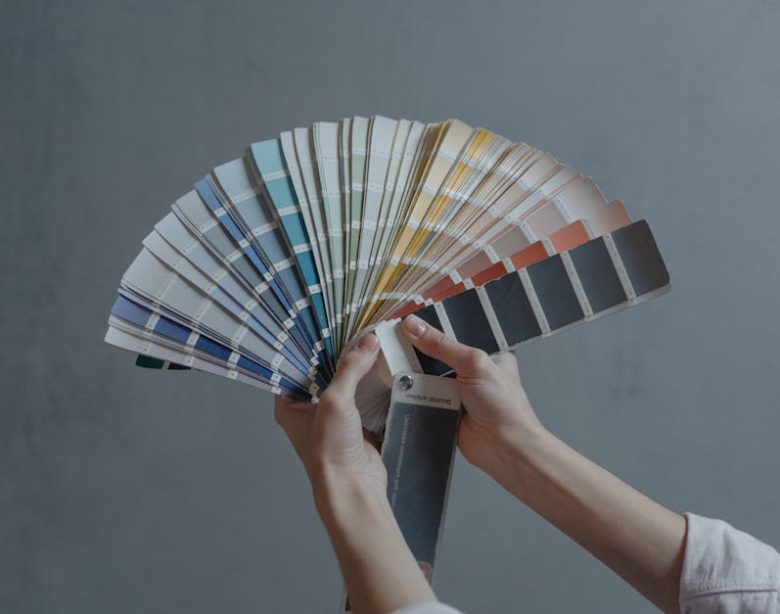
Rees also includes a section on color analysis that’s better than any online quiz. She explains how to find your “color palette” by comparing 10-15 pieces you already love and identifying the common hues. My palette turned out to be navy, olive, cream, and burgundy. I stopped buying random colors and started buying pieces that actually coordinated. My wardrobe went from 80 items to 45, and I have more outfit combinations now than before.
3. “The Little Black Book of Style” by Nina Garcia ($12, 176 pages)
Nina Garcia is a fashion director and Project Runway judge. Her book is the shortest on this list and the most opinionated. She doesn’t pretend there’s room for everyone’s taste. She tells you what works and what doesn’t. I disagree with her on about 20% of her takes, but that’s the point — she forces you to develop your own stance.
The book’s best section is the “Wardrobe Essentials” list. It’s not the generic “little black dress” advice. She specifies exact cuts: a sheath dress in stretch cotton, a cashmere crewneck in charcoal, a leather jacket that hits at the waist. She includes price ranges and explains why certain investments matter. Her advice on shoes alone saved me from buying three pairs of trendy boots that would have died in a season.
Garcia also includes a section on what to wear for specific occasions — job interviews, first dates, funerals, business dinners. It’s the only book I’ve found that addresses context instead of just “express yourself.”
Comparison: Which Style Guide Book Should You Buy?
| Book | Best For | Price | Pages | Key Weakness |
|---|---|---|---|---|
| How to Get Dressed | Fit and tailoring basics | $16 | 256 | No visual inspiration |
| The Curated Closet | Building a cohesive wardrobe | $18 | 288 | Time-intensive process |
| Little Black Book of Style | Quick reference and occasion dressing | $12 | 176 | Narrow viewpoint on trends |
If you can only buy one, start with How to Get Dressed. It’s the most universally useful. If you already understand fit and want to refine your personal style, get The Curated Closet. If you want a quick, opinionated reference for specific situations, grab the Little Black Book.
What You Should NOT Buy
I’m going to name names. Do not buy “The Little Guide to Style” by Nina Garcia — despite the similar name, it’s a different book with zero practical advice. Do not buy “Style: The Art of Dress” by Nancy Deihl — it’s an academic history text, not a guide. Do not buy “The Psychology of Fashion” by Carolyn Mair — it’s about consumer behavior, not how to dress yourself.
Also skip anything by “influencers” who built their following on Instagram. These books are almost always 80% photos, 15% generic captions, and 5% actual advice. I bought “The New Parisian Look” by Isabelle Thomas and it’s basically a fashion magazine with captions. No substance.
The biggest red flag: any book that tells you to “invest in classics” without defining what a classic is for your specific body and lifestyle. If the author can’t name a specific brand, cut, or price point, they don’t know what they’re talking about.
How to Actually Use a Style Guide Book
Buying the book is step one. Reading it is step two. Applying it is where most people fail. Here’s the process I’ve refined after using these three books for years.
First, read with a notebook. Write down every specific recommendation — exact hem lengths, fabric types, brand names, alteration costs. I have a Google Doc with 40+ entries from these books. When I shop, I open that doc instead of browsing mindlessly.
Second, do the exercises. The Curated Closet has worksheets. Actually fill them out. It takes 3-4 hours total but saves you hundreds of dollars in bad purchases. I did mine over a weekend and it completely changed my shopping list.
Third, shop with a list. After reading, make a list of exactly what you need. Not “a nice top.” “A cream silk blouse with a relaxed fit, V-neck, and elbow-length sleeves.” When you walk into a store, you’re not browsing — you’re searching for that specific item. This alone cut my impulse buys by 70%.
Fourth, test the advice. Try one recommendation for a week. Alison Freer says to hem your pants so they hit the top of your shoe. I did that to a pair of trousers I owned. Suddenly they looked like they cost $200 instead of $40. That one alteration changed how I see fit. Now I get everything hemmed.
The books work if you treat them as manuals, not inspiration. Read once for the ideas. Read twice for the details. Then implement.
Common Mistakes People Make With Style Books

Mistake 1: Reading and not applying. The single biggest failure. People read a style book, feel inspired, then go back to their old shopping habits. The book becomes decor. I’ve done this with at least five books. The fix: after finishing a chapter, implement exactly one thing before moving on. Don’t finish the whole book first.
Mistake 2: Following every rule blindly. Nina Garcia says never wear white after Labor Day. I live in California. That rule is irrelevant here. Every book has advice that doesn’t apply to your climate, lifestyle, or body. Take what works, leave the rest. Style books are tools, not bibles.
Mistake 3: Buying too many books. You don’t need a library. You need one good book that you actually use. I own three. That’s enough. Every additional book I’ve bought has been a diminishing return. The core concepts are the same — fit, fabric, color, proportion. Pick one book that teaches those well and master it.
Mistake 4: Expecting a quick fix. No book will transform your wardrobe in a weekend. It takes 6-12 months of intentional shopping to build a cohesive wardrobe. The books give you the framework, but you have to do the work. I spent three months just identifying my color palette and fit preferences before buying anything new.
Mistake 5: Ignoring the context. A style book written by a New York fashion editor assumes you have a certain budget and lifestyle. If you work from home in a casual office, don’t follow advice meant for runway shows. Adapt the principles to your reality.
The best style guide book won’t make you a fashion icon. It will make you a smarter shopper. That’s the real win.