
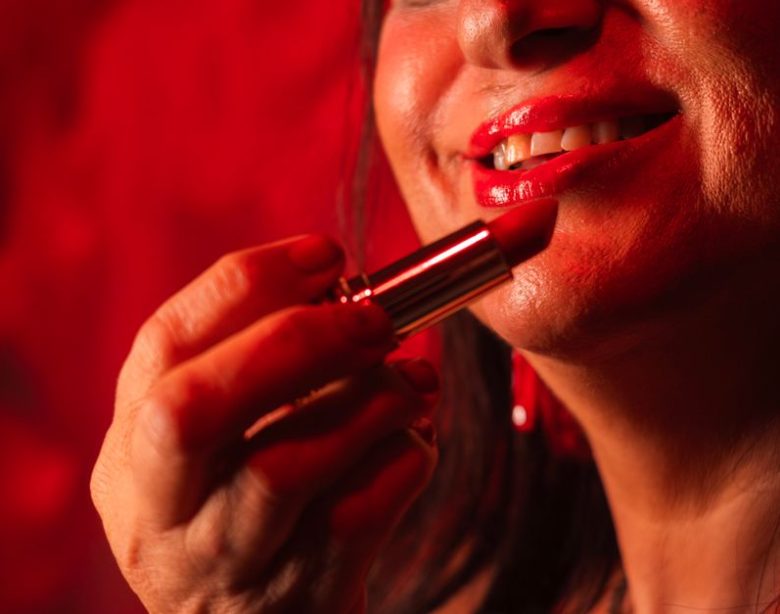
A balm that tingles is not necessarily healing your lips. That cool, minty, burning feeling often means the formula is irritating already damaged skin. The fix for chapped lips in winter is less exciting: reduce water loss, avoid triggers, and repeat the routine before your lips split.
Cold air, indoor heating, wind, lip licking, and fragranced products can all push the same cycle forward. Your lips lose water, feel tight, you lick or bite them, and the surface dries again. Here is the barrier-first routine that breaks it.
Why winter makes your lips crack so quickly
Cold air removes moisture from the lip surface
Winter air holds less moisture than warm air. Indoor heating lowers humidity again. Your lips take the hit because they have a thin outer barrier and fewer oil glands than much of the skin on your face. Wind adds friction and speeds up evaporation, especially when you walk, ski, commute, or exercise outside.
Cracks are not just a cosmetic problem. Once the surface splits, saliva, food, toothpaste, and cold air can reach sensitive skin underneath. That creates stinging and inflammation, which makes you reach for more products. The best first move is to protect the surface before it becomes raw.
Why licking your lips keeps the problem alive
Saliva feels wet for a few seconds, but it evaporates fast. As it dries, it takes some surface moisture with it. Saliva also contains enzymes designed to break down food, not protect delicate lip skin. Repeated licking can leave the lips red, flaky, and sore around the edges.
Replace the reflex with a simple cue. When you notice your tongue touching your lips, apply a plain, fragrance-free barrier instead. Do not scrub off the flakes first. The flakes are part of the damaged surface, and pulling them away can restart the crack.
The morning and night routine that stops the cycle
Use a three-step morning reset
Start with clean, dry hands. Rinse your lips with lukewarm water or leave them alone if they are not dirty. Hot water, face scrubs, and foaming cleansers can make tightness worse. Pat the area dry rather than rubbing it with a towel.
Next, apply a thin layer of a bland, fragrance-free moisturizer or ointment. Cover the entire lip surface, including the corners. If you will spend time outdoors, add a broad-spectrum lip product rated SPF 30 or higher. Apply it before leaving home, then reapply after eating, drinking, or heavy activity. A scarf that covers the lower half of your face can reduce wind exposure better than another layer of balm.
Make bedtime the repair window
At night, apply a slightly thicker layer after brushing your teeth. Toothpaste residue can irritate cracked skin, so rinse around your mouth and wipe the corners gently. A cool-mist humidifier in the bedroom can help if heating leaves the room dry, but clean it as directed. A dirty humidifier adds its own problems.
Repeat this routine for at least seven days before judging it. The goal is not a glossy finish. The goal is fewer cracks, less stinging, and a smoother surface that no longer demands constant reapplication.
Which lip-care ingredients are worth choosing?
Read the formula by job, not by marketing claim
For winter damage, an occlusive ingredient matters most. It forms a surface film that slows water loss. Petrolatum is the clearest example. Humectants such as glycerin and hyaluronic acid can attract water, while ceramides and dimethicone support a more comfortable barrier. These ingredients do different jobs, so a product with one strong occlusive can outperform a crowded formula full of botanical extracts.
| Product | Useful specification | Best use | Watch-out |
|---|---|---|---|
| Vaseline Healing Jelly Original | 100% white petrolatum; available in 1.75 oz, 3.75 oz, 7.5 oz, and 13 oz sizes | Lowest-cost overnight barrier | Very greasy; use a thin layer |
| Aquaphor Healing Ointment | 41% petrolatum with panthenol and glycerin; 1.75 oz tube | Wind-exposed, cracked lips | Richer texture than a stick balm |
| CeraVe Healing Ointment | 46.5% petrolatum with three ceramides and hyaluronic acid; 5 oz or 12 oz | Very dry or sensitive skin | Too heavy for some daytime routines |
| Burt’s Bees Beeswax Lip Balm | $3.99 for 0.15 oz; contains beeswax, vitamin E, and peppermint oil | Normal lips that tolerate flavor | Skip it if mint stings or redness appears |
Petrolatum is the winner for active cracks. Waxes and oils can soften lips, but a thick ointment usually holds water longer. A $3.99 stick is not a bad product simply because it lacks petrolatum. It is a poor match when your lips are already burning, peeling, or split.
Which winter lip products deserve a place in your bag?
Best overall for severe dryness: Aquaphor Healing Ointment
For lips that crack in cold wind, Aquaphor Healing Ointment is my clear pick. Its 41% petrolatum base creates the barrier that winter lips need, while panthenol and glycerin add comfort. The 1.75 oz tube is small enough for a coat pocket and useful on dry knuckles as well. Apply a thin film rather than a thick white layer. You want coverage, not a heavy mask.
Best simple option: Vaseline Healing Jelly Original
For sensitive lips that react to long ingredient lists, Vaseline Healing Jelly Original is the most direct choice. It uses 100% white petrolatum and has no minty cooling effect. The large 13 oz size makes sense for a home bathroom, while the 1.75 oz jar works for a handbag. It is not elegant under lipstick, but it is hard to beat as a night treatment.
Best for very dry, reactive skin: CeraVe Healing Ointment
CeraVe Healing Ointment is the better choice when lip dryness comes with irritation elsewhere on the face. It combines 46.5% petrolatum with three ceramides and hyaluronic acid, and the formula is free of fragrance and lanolin. The tradeoff is texture: it feels richer and can slide around under makeup. Use it before bed or during a cold-weather flare, not as a glossy daytime lip finish.
For outdoor winter sports, add a separate SPF 30 lip product. Aquaphor Lip Repair Stick + Sunscreen is a 0.17 oz stick with broad-spectrum SPF 30. Choose it for skiing, hiking, and bright snowy days, but stop if the sunscreen stings. Comfort still matters.
What if your lips burn, peel, or will not heal?
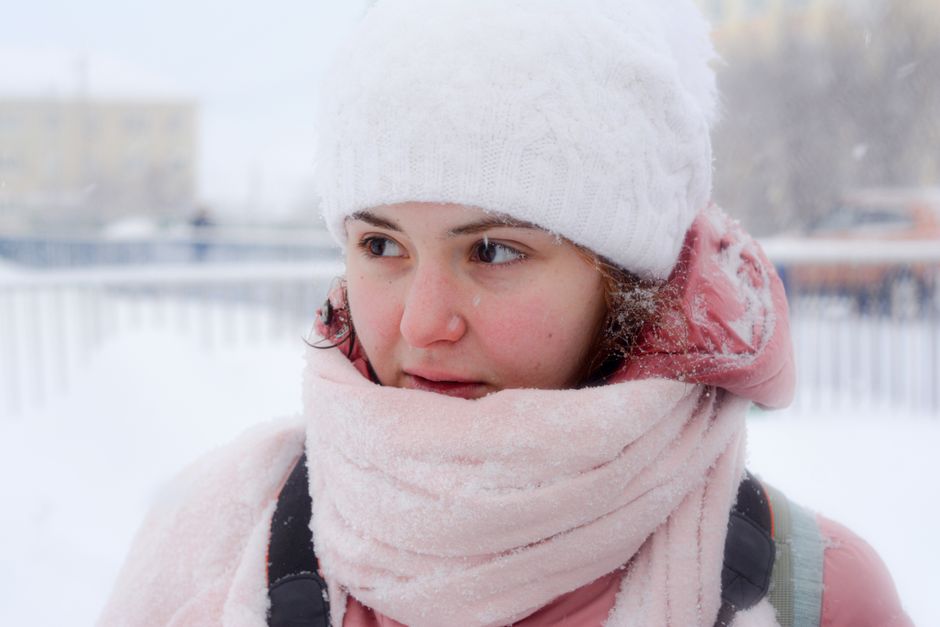
Does a burning balm mean it is working?
No. Burning, stinging, or strong cooling usually signals irritation. Stop that product and switch to a bland, fragrance-free formula. If the reaction settles after several days, the original product may have been the trigger. Reintroduce products one at a time if you want to identify the culprit.
Should you use a lip scrub on thick flakes?
Not while the lips are cracked. Scrubbing can remove fragile skin before the barrier has recovered. Use an ointment and let loose flakes shed naturally. When the lips are smooth and comfortable again, a soft washcloth used briefly is less aggressive than a gritty scrub, but most people do not need exfoliation at all.
When should you ask a clinician?
Most weather-related chapping improves within two to three weeks with consistent care. Seek medical advice if the problem lasts longer, repeatedly affects one area, spreads around the mouth, forms blisters, bleeds often, or causes severe swelling. Cracks at the corners can have causes beyond dry air, including irritation, allergy, or infection. Persistent scaling on the lower lip also deserves a professional check, especially after regular sun exposure.
The best winter lip-care kit is smaller than you think
My recommendation is simple: use petrolatum at night, a bland balm during the day, and SPF 30 outdoors. That three-part system solves the actual winter problem: moisture leaves faster than your lips can replace it.
A practical cold-weather setup
- Keep Vaseline Healing Jelly Original or CeraVe Healing Ointment beside your bed.
- Carry Aquaphor Healing Ointment in a pocket or bag for wind and sudden tightness.
- Use a non-irritating SPF 30 lip product for skiing, hiking, driving, or long outdoor walks.
- Skip mint, fragrance, flavor, and exfoliating acids while the lips are cracked.
- Stop licking, biting, and picking. Cover your mouth with a scarf when wind is sharp.
You do not need six balms, a scrub, and a complicated overnight mask. You need a barrier that stays on the skin and habits that stop reopening the damage. The next time a winter balm tingles as you step outside, treat that sensation as a warning, not a promise. Switch to the quiet routine instead, and the same cold morning can end with comfortable lips rather than another round of cracking.