
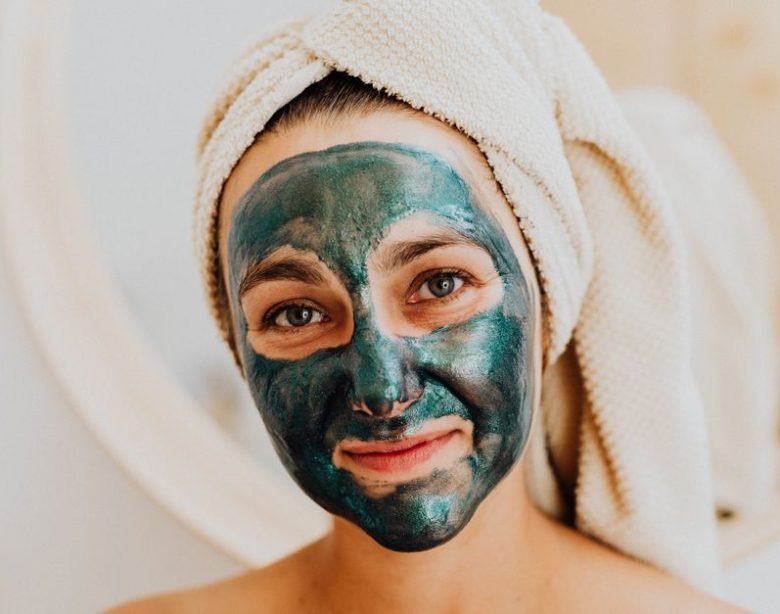
Winter dullness does not always mean your skin needs a stronger scrub. In many cases, the gray, rough look comes from dry air, slower shedding of dead surface cells, and a weakened moisture barrier. Scrubbing harder can remove some flakes for a few hours, then leave your face tighter, redder, and more uneven.
The best fix is smaller and more controlled: loosen built-up surface cells, add water and lipids back to the skin, and protect the result from cold air and ultraviolet exposure. Gentle exfoliation works when it supports the barrier instead of competing with it.
What creates the dull winter look?
Cold outdoor air holds less moisture than warm air. Indoor heating dries it further. Your skin loses water faster, so the outer layer becomes rough and less flexible. Dead cells can collect unevenly across the cheeks, forehead, and around the nose. Light then reflects poorly from the surface, which makes the complexion look flat even when the skin is clean.
That does not mean every rough patch needs an acid. Tightness, stinging, redness, and flaking often point to barrier stress rather than excess dead skin. A damaged barrier needs bland moisture and fewer active ingredients first.
The right first move
Start with a gentle cleanser, a fragrance-free moisturizer, and daily broad-spectrum sunscreen for seven days before adding an exfoliant. This short reset gives you a clearer baseline. If the skin still feels smooth but looks uneven, exfoliation may help. If it burns when you apply moisturizer, wait.
My verdict is clear: repair tight, stinging skin before exfoliating it. Glow comes from a smooth, hydrated surface, not from removing as much skin as possible.
Which exfoliant is gentlest for winter skin?
The strongest-looking label is not the best choice for a dry winter complexion. Choose one exfoliating method, use it at a low frequency, and judge the formula by how your skin feels the next morning. The table below gives a practical starting point.
Match the ingredient to the problem
| Exfoliant | Specific example | Best use | Winter verdict |
|---|---|---|---|
| Lactic acid | The Ordinary Lactic Acid 5% + HA | Dry, rough texture with mild dullness | Best first acid for most dry skin because it combines surface exfoliation with a less sharp feel than stronger acids |
| Glycolic acid | Caudalie Vinoperfect Brightening Glycolic Essence, 5% glycolic acid | Thicker, sun-dulled texture | Useful once weekly, but too much can increase tightness in heated indoor air |
| Salicylic acid | Paula’s Choice 2% BHA Liquid Exfoliant | Clogged pores, blackheads, and oily areas | Best for congestion, not general winter flaking; keep it away from already-cracked patches |
| PHA | Glossier Solution, 10% exfoliating blend | Very cautious beginners | A sensible lower-intensity option, though the blend may still irritate reactive skin |
The best starting point
For dry or combination skin that mainly looks dull, choose a 5% lactic acid formula and apply it once at night during the first two weeks. For clogged pores, choose salicylic acid only on those areas. Do not layer both on the same evening. The clear winner for a fragile winter barrier is the lower-strength option used less often, not the product with the most dramatic percentage on the bottle.
How to exfoliate without damaging your skin barrier

Use this seven-step routine on one evening per week. The order matters more than the number of products.
A safe evening sequence
- Wash with lukewarm water and a non-foaming cleanser. Hot water can increase dryness before the active step even begins.
- Pat your face dry and wait five to ten minutes. Applying acid to dripping-wet skin can make it feel sharper.
- Apply a thin layer of one exfoliant. Use about two to three drops for the entire face, avoiding eyelids, nostril creases, lips, and broken skin.
- Do not add retinoids, benzoyl peroxide, vitamin C powder, or a second acid that night.
- Follow with a plain moisturizer containing ingredients such as glycerin, ceramides, squalane, or petrolatum.
- Use sunscreen the next morning. Exfoliation does not remove the need for ultraviolet protection.
- Wait at least three nights before repeating the treatment. Increase to twice weekly only if the skin stays comfortable.
How to test the routine
Apply the product to one cheek or along the jaw before using it across your face. Check the area after ten minutes, the next morning, and again after 48 hours. Mild tingling that fades quickly can happen with acids. Burning, swelling, persistent redness, or worsening flakes means the routine is too strong.
Never use a rough scrub brush to compensate for a slow result. A smooth appearance should build over two to four weeks. Fast peeling is not proof that the treatment is working better.
Winter exfoliation questions answered

Can I exfoliate flaky skin?
Only if the flakes sit on comfortable, intact skin. If the area is cracked, red, painful, or stings when you apply moisturizer, pause acids and scrubs. Use a gentle cleanser and a thicker moisturizer instead. Once the skin feels calm for several days, test a low-strength exfoliant on a small area. Physical peeling can make a damaged patch worse even when it looks ready to come off.
Is salicylic acid good for dull winter skin?
It is good for a specific kind of dullness: congestion that creates small bumps, blackheads, or enlarged-looking pores. Paula’s Choice 2% BHA Liquid Exfoliant is a well-known example, but its strength makes it a poor default for dry, tight cheeks. Use it only where pores clog, once weekly at first. For plain roughness without congestion, lactic acid is the better match.
Can I use a retinol and an exfoliant together?
Do not start both at once. Retinol and acids can each cause dryness, peeling, and sensitivity, especially during winter. Use the retinol on separate nights and keep one or two recovery nights between active treatments. If your skin is already red or flaky, pause both. A slower routine that you can maintain beats a high-intensity routine that forces a week-long break.
My strongest recommendation: exfoliate less often than your skin asks
Once-weekly exfoliation is the best starting point for dull winter skin. Most people do not need a daily acid, a scrub, and an exfoliating cleanser. The extra steps create more chances for irritation than extra glow.
When to stay at once weekly
- Your face feels tight after cleansing.
- You see redness around the nose or mouth.
- Moisturizer stings after applying an active.
- You use prescription retinoids or another drying treatment.
- Your skin improves after one weekly treatment.
When twice weekly may make sense
Twice-weekly use can work for resilient combination or oily skin with persistent roughness, but leave at least three nights between applications. Use the same product for four weeks before deciding that you need a stronger one. If your skin becomes shiny, sore, unusually sensitive, or more uneven, reduce frequency immediately.
Do not buy a stronger exfoliant because the first week feels uneventful. A good treatment should improve texture without announcing itself through burning or peeling. The best product is the mildest one that gives a visible result at a schedule your skin can tolerate.
When not to exfoliate dull winter skin

Some dullness is a signal to stop adding products. If your skin is inflamed, the correct answer is recovery, not more resurfacing.
Skip exfoliation when the skin is stressed
- There are open cracks, cuts, sunburn, or freshly waxed areas.
- Redness spreads beyond the original dry patch.
- Your moisturizer burns for more than a few seconds.
- You recently started a prescription retinoid or acne treatment.
- You have an active rash, cold sore, or unexplained swelling.
Choose a professional opinion when needed
See a dermatologist if persistent scaling, itching, pain, or redness does not improve after two weeks of gentle care. Eczema, rosacea, contact dermatitis, and psoriasis can all look like ordinary winter dryness. An exfoliant cannot fix those conditions and may make them harder to calm.
Also skip a new active before an important event. Even a mild formula can cause temporary redness when the skin is already stressed by cold weather, travel, or lack of sleep. A plain moisturizer and sunscreen are safer choices when the goal is predictable-looking skin.
A simple four-week plan for getting your glow back
Weeks one and two
Cleanse gently at night, moisturize morning and evening, and wear broad-spectrum SPF 30 or higher during the day. Exfoliate once during the first week and once during the second only if there is no stinging, tightness, or new redness. Keep the rest of the routine unchanged so you can see what actually helps.
Weeks three and four
If the skin feels comfortable, continue once weekly or increase to twice weekly for a congested T-zone. Do not increase both strength and frequency at the same time. The first visible improvement should be smoother makeup application and less roughness, followed by more even light reflection. If flakes return, go back to recovery nights instead of adding another active.
The single most important takeaway is simple: for dull winter skin, gentle exfoliation works best when hydration and barrier care come first.