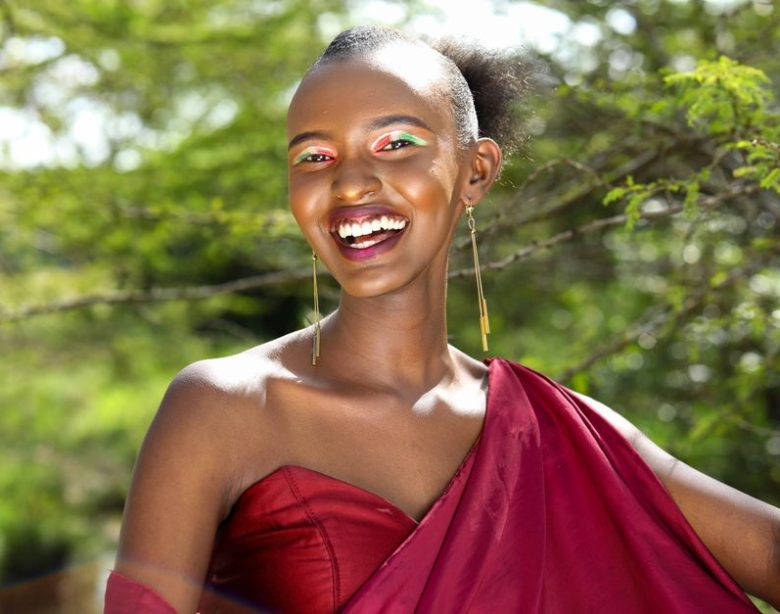
Which statement earrings make your face look balanced instead of overwhelmed? The answer starts with proportion, not a strict beauty rule. Your face shape gives you a useful starting point, but the real choice also depends on your hairstyle, neck length, personal scale, and the outfit around the earrings.
A good pair creates a visual frame. It can add length to a round face, soften a strong jaw, widen a narrow forehead, or bring focus to the cheekbones. A poor pair can pull the eye toward the wrong area, catch on your hair, or feel heavy after twenty minutes.
What Earring Shape Works With Each Face Shape?
The basic goal is contrast. If your face has strong horizontal width, a long vertical earring can create length. If your face looks long and narrow, a rounded or wide design can add visual balance. This does not mean you must avoid any shape. It means you should know what a design will emphasize before spending money on it.
Oval and oblong faces
An oval face has a softly curved hairline and jaw, with the face longer than it is wide. Most statement earring shapes work well because the proportions are already balanced. The strongest choices are medium hoops, geometric drops, sculptural studs, and earrings that measure roughly 30 to 55 millimeters from the lobe.
For an oblong face, use width rather than extra length. Choose rounded drops, clustered stones, fan shapes, or hoops between 35 and 50 millimeters wide. A long, narrow earring that extends more than 70 millimeters can make the face appear longer, especially with a high ponytail.
Round and square faces
A round face has similar width and length, with a curved jaw. Angular earrings, slim rectangles, tapered drops, and vertical designs add useful direction. The most reliable range is 45 to 75 millimeters long and less than 25 millimeters wide. For a round face, the clear winner is a tapered drop because its narrow lower edge creates length without looking severe.
A square face has a broad forehead and a defined jaw. Rounded hoops, oval drops, teardrops, and curved chandelier designs soften those lines. Avoid pairing a sharp rectangular earring with a sharply tailored neckline unless you want a very graphic look.
Heart-shaped and diamond faces
A heart-shaped face is wider at the forehead and narrower at the chin. Earrings with a fuller lower section, such as teardrops, chandeliers, and triangular designs with the point facing upward, help balance the lower face. Diamond faces tend to be widest at the cheekbones, so slim drops, curved hoops, and designs that are wider at the lobe often work best.
Verdict: Choose the earring shape that adds contrast where your face is narrowest. That simple rule is more useful than memorizing a long chart.
How Large Should Statement Earrings Be?

Size is the buying decision most people get wrong. “Statement” describes visual impact, not one fixed measurement. A 25-millimeter gold hoop can look bold on a small ear, while a 70-millimeter feather-light acrylic drop may look easy to wear on a larger frame.
| Earring measurement | Visual effect | Best starting point |
|---|---|---|
| 20–35 mm | Noticeable but restrained | Workwear, small features, short hair |
| 36–55 mm | Balanced statement | Most face shapes and daily outfits |
| 56–75 mm | Strong vertical impact | Round or square faces, evening wear |
| 76 mm or more | High-impact accessory | Minimal outfits and special events |
Use your face and shoulder scale
Measure from the center of the piercing to the bottom of the earlobe, then compare the earring length with the visible side of your face. A 45-millimeter drop usually reads polished on many adults. A 90-millimeter chandelier becomes the main focal point and needs a simpler neckline.
Shoulder width matters too. A large person wearing a tiny stud may find the look disappears, while an oversized chandelier on a petite frame can dominate the whole outfit. This is about visual scale, not body-size judgment.
Check weight before buying
Weight affects comfort more than length. A pair weighing 2 grams per earring can stay comfortable for hours. Around 5 grams per earring may feel fine for dinner but tiring during a full workday. Designs above 8 grams per earring need a secure backing and a realistic wear plan.
BaubleBar statement drops often sit near the 45-to-60-millimeter range and typically retail around $68, making them a useful medium-scale reference. Alexis Bittar Lucite drops often cost about $145 to $195 and can look large without the weight of solid metal. Prices change by collection and sale, so treat these figures as comparison points rather than promises.
Match width to your neckline
Wide earrings need breathing room. With a crew neck or high collar, choose a shorter pair that ends above the collar line. With a V-neck or open shirt, a longer drop can echo the vertical opening. When the earrings, necklace, and neckline all compete at the same width, the outfit loses focus.
Verdict: For a first statement pair, choose earrings between 35 and 55 millimeters, under 5 grams each, with a secure butterfly or hinged backing. That range gives the most styling options.
Five Steps to Test Earrings Before You Buy
The safest purchase is not based on a product photo alone. Camera angles enlarge jewelry, model proportions vary, and online color can shift. Use this quick test before ordering or paying at a store.
- Measure the listed length. Write down the number in millimeters and compare it with a ruler or a credit card. A standard credit card is about 54 millimeters tall, which makes it a practical visual reference.
- Mark the lower edge on a mirror. Hold a piece of removable tape beside your ear at the proposed length. Look straight on and from a 45-degree angle. The side view matters because very wide earrings can sit differently than expected.
- Check the focal point. Notice where the earring ends. If it finishes at the widest part of your cheek or jaw, it will draw attention there. Move the length up or down by 10 millimeters if that placement feels unflattering.
- Test movement. Turn your head, smile, put on a jacket, and tuck your hair behind your ear. The earring should swing without catching on the collar or pressing into the neck.
- Read the materials and backing. Look for sterling silver, stainless steel, gold vermeil, titanium, or clearly listed plating. For sensitive ears, a titanium or surgical-steel post is a safer starting point than an unknown alloy.
Two small styling tests improve the result. First, try the earrings with the hairstyle you actually plan to wear. Long drops may vanish under loose curls but look dramatic with a low bun. Second, photograph the look from several feet away. Statement jewelry can look perfect in a close mirror and too small from normal conversation distance.
Kate Spade New York statement earrings, often priced around $78 to $98 depending on the collection, are a strong example of polished medium-scale jewelry for office outfits and dinners. For a louder evening look, Oscar de la Renta flower earrings can reach several hundred dollars and usually make sense only when the rest of the outfit stays quiet.
Verdict: Test length, weight, movement, and the earring post before judging color or sparkle. Comfort is part of fit.
Which Earring Mistakes Make a Face Look Unbalanced?
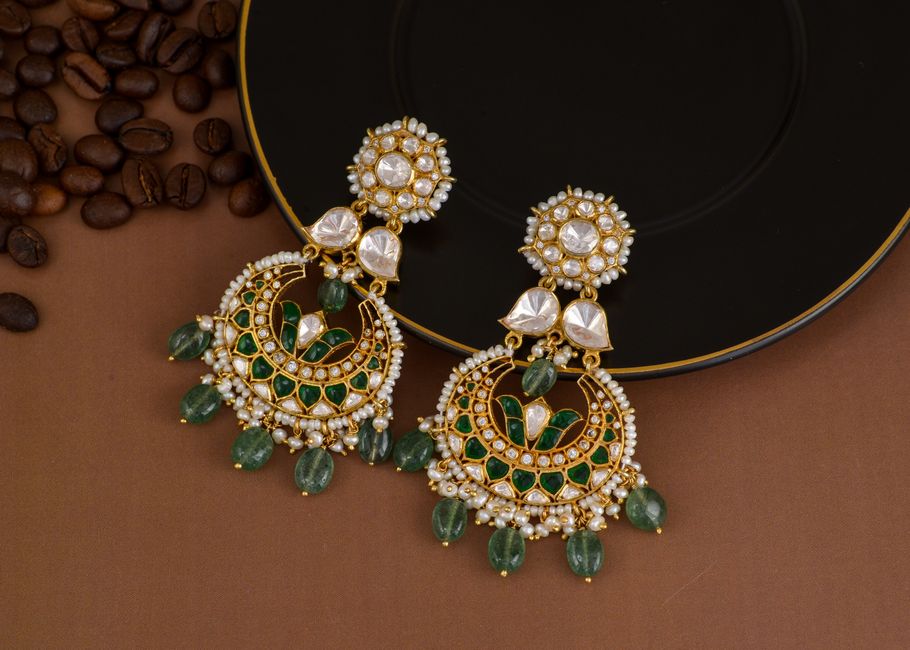
Q: Should round faces avoid round earrings?
No. A round hoop can work on a round face when its diameter is large enough to create a clean frame, or when the hoop has an angular detail. The problem is not “round plus round.” The problem is choosing a small circular design that repeats the face outline without adding length or contrast. A 45-to-60-millimeter oval hoop usually gives a more lifted effect than a 25-millimeter circle.
Q: Are long earrings always better for a long face?
No. Extra length can exaggerate an oblong face. Choose a wide drop, a rounded cluster, or a hoop with a diameter close to 40 millimeters instead. If you love a long earring, select one with width near the lobe or lower half rather than a thin line that stays narrow from top to bottom.
Q: What is the biggest buying mistake?
Ignoring the attachment point. A heavy pendant on a thin post can pull the lobe downward and tilt forward. A large clip-on can pinch after a short period. Look for a broad back, a screw-back clip-on, or a lightweight material such as resin or hollow metal. If the listing gives no weight, no dimensions, and no material details, treat that as a warning.
Q: When should someone skip statement earrings?
Skip a large pair for travel days, crowded events, or outfits with a heavily decorated neckline. Do not buy a dramatic earring simply because it photographs well if you dislike removing it after an hour. A smaller sculptural stud or 30-millimeter hoop may deliver the same style with fewer comfort problems.
The best correction is often subtraction. Remove the necklace, roll back a sleeve, or choose a plain neckline so the earrings can do one job clearly. Jewelry looks more expensive when the eye has somewhere to rest.
Verdict: The wrong pair usually fails through poor weight, missing measurements, or too many competing focal points—not because your face shape broke a style rule.
My Clear Picks for Building a Wearable Earring Wardrobe
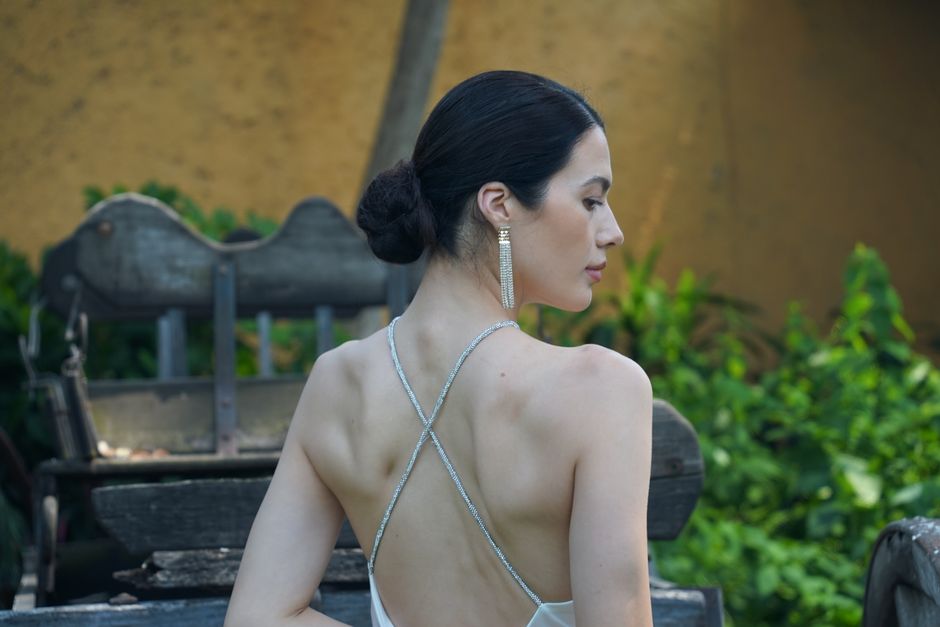
Start with a medium tapered drop if you want one pair that earns its place. It gives a round face more length, softens a square jaw, and works with an open shirt, simple knit, or evening dress. Choose a design around 45 to 60 millimeters, with a visible lower shape and a total weight below 5 grams per earring.
Best first pair: the medium tapered drop
This is the most useful choice for a small wardrobe because it changes character with the outfit. Gold-toned metal looks sharp with black tailoring. Colored resin makes denim feel intentional. A drop with a 10-to-15-millimeter lower pendant creates movement without becoming costume-like. For an oval face, this shape remains balanced; for a heart-shaped face, the lower volume adds welcome width near the chin.
Best choice for daily wear: the sculptural hoop
Pick a hoop between 35 and 50 millimeters, preferably oval or slightly irregular rather than a perfect circle. It frames the face and handles repeated wear better than a fragile chandelier. A pair such as Mejuri’s bold hoop styles, often around $98 to $198 by size and metal, shows why clean shape can make a stronger statement than extra decoration. Choose the smaller size for commuting and the larger size for simple evening outfits.
Best choice for a dramatic event: the lightweight chandelier
Use a chandelier when the dress, hair, and neckline leave room for one major accessory. Look for acrylic, resin, hollow metal, or fabric details instead of dense solid components. Keep the length under 85 millimeters unless the event is formal and the neckline is open. With a long face, choose a wider chandelier. With a round face, choose one that narrows toward the chin.
Do not buy a pair that only matches one dress. A strong statement earring should work with at least three outfits: a plain top and jeans, a work-ready jacket, and an evening or occasion look. That test keeps the purchase focused on cost per wear instead of impulse.
Face-shape advice will keep evolving as jewelry becomes more personal and less rule-bound. The lasting principle is simple: choose a measured shape, control the weight, and let the earrings create the balance your outfit needs.