
The moment came when I opened my closet and found nothing to wear, despite owning more clothes than I could count. A sequined top still had its tag. Two pairs of jeans pinched at the waist. A cheap cardigan had stretched into a strange shape after three washes. Most of the wardrobe looked full, but very little worked.
That was the point when I stopped buying new clothes. Not for a month. Not as a social media challenge. I decided to build a secondhand-only wardrobe and keep it that way. The result was slower than a normal shopping spree, but it gave me better outfits, fewer impulse purchases, and a closet I could explain piece by piece.
The process was not effortless. I bought the wrong sizes, misread fabric labels, and paid too much for items that looked better online. These are the six lessons that made the system practical.
Why a Secondhand-Only Wardrobe Is Harder Than It Sounds
New clothing gives you instant choice
When you shop new, you can search for a black blazer in your size, choose a cut, select a color, and complete the purchase in minutes. Secondhand shopping removes that control. The exact blazer may appear once, in the wrong size, with one blurry photo and a seller who measures nothing. You have to work with what exists instead of ordering an ideal version of it.
That limitation exposed the real problem in my closet: I had been buying for fantasy situations. I purchased clothes for the person who attended gallery openings every weekend, wore heels without pain, and enjoyed hand-washing delicate fabrics. My actual life required washable layers, comfortable shoes, and outfits that could handle a crowded train. A secondhand-only rule forced me to dress for my calendar instead of an imaginary one.
Scarcity can create a new kind of impulse buying
Secondhand platforms often use scarcity to push the same anxious behavior as fast fashion. A listing says one available, and suddenly an unflattering jacket feels like a rare opportunity. It is not. If the shoulders are too wide, the sleeve length is wrong, and you have no outfit planned around it, the low price does not make it useful.
I started saving measurements and outfit gaps before opening resale apps. My list included a navy cardigan, straight-leg trousers, a weatherproof coat, and one casual dress. If a listing did not solve one of those gaps, I closed it. That small rule stopped the thrill of finding a bargain from taking control.
The goal is not a perfect ethical score
A secondhand wardrobe still involves shipping, dry cleaning, packaging, repairs, and occasional mistakes. It does not turn every purchase into a morally perfect choice. The useful goal is simpler: buy fewer pieces, keep them longer, and stop treating clothing as disposable.
That standard gave me room to make practical decisions. I could buy a used wool coat that needed a small repair instead of rejecting it because it was not flawless. I could pass on a cheap polyester dress even if the resale price was attractive. The wardrobe improved when I focused on wear, fit, and repeat use.
The Three Rules That Kept My Closet Under Control
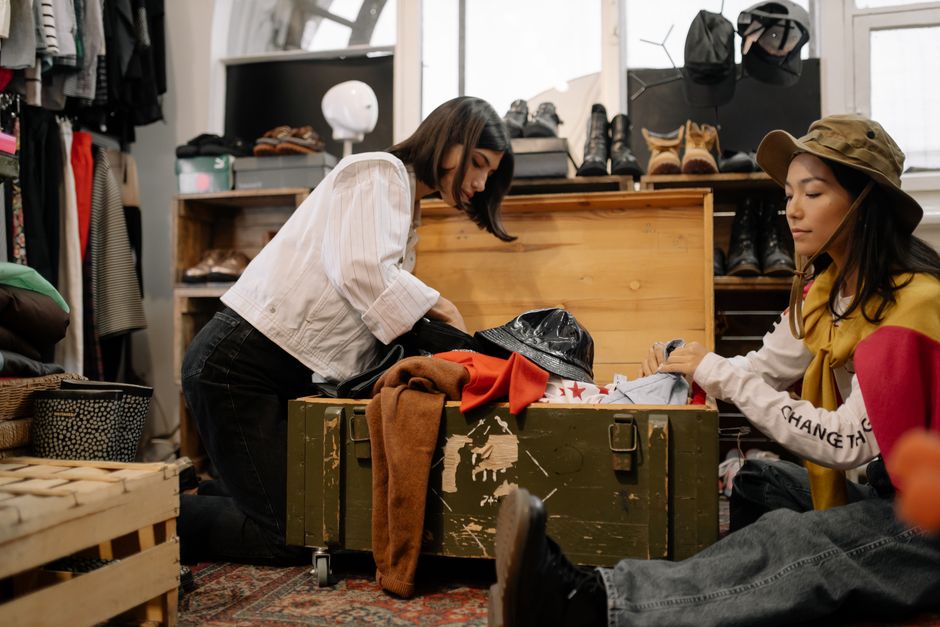
Rule one: define an outfit before buying a piece
- Start with the outfit gap. Write down the exact outfit you cannot currently build. For example: black trousers, white shirt, and loafers for work.
- Set a fabric and fit floor. Decide the minimum acceptable fabric content, measurements, and condition before searching. This prevents a low price from changing your standards.
- Name three existing pairings. Do not buy a piece unless you can name at least three items already in your closet that work with it.
This rule was more effective than making a giant wish list. A wish list encourages browsing. An outfit gap creates a job for the purchase.
Rule two: wait for the right version
I gave myself a 30-day search window for major pieces. During that time, I checked local thrift stores, consignment shops, community clothing swaps, and resale apps. If the right item did not appear, I waited another month. This sounds slow because it is slow. That is also why it worked.
For basics, I allowed a slightly wider search. For a coat, leather shoes, or tailored trousers, I refused to settle for an almost-right item. Those pieces sit close to the body and show poor fit quickly. The cost of waiting was lower than the cost of owning something I avoided wearing.
Rule three: keep a repair budget
- Reserve $10 to $20 for buttons, hems, loose seams, or minor zipper work.
- Reserve $25 to $60 for professional alterations on trousers, skirts, or jackets.
- Reject pieces with mildew, strong permanent odor, fabric rot, or major damage near stress points.
- Wash or air out every purchase before it enters the main closet.
A secondhand price is not the final price if the garment needs work. I added the likely repair cost before deciding. A $22 pair of trousers needing a $35 hem was a $57 purchase, not a bargain. Sometimes that was still fair. Often it was not.
What to Buy First: A Secondhand Wardrobe That Actually Works
The first pieces should create outfits, not decorate the closet. I began with clothes that could cross seasons and combine with what I already owned. The figures below are the spending limits I used for clean, wearable secondhand examples. They are targets, not promises; condition, fabric, location, and demand change the price.
| Wardrobe role | Best secondhand target | My price ceiling | Why it earned a place |
|---|---|---|---|
| Everyday denim | Levi’s 501 Original jeans | $70 | Recognizable fit, sturdy denim, and easy pairing with shirts, sweaters, and boots |
| Warm casual layer | Patagonia Better Sweater jacket | $95 | Useful over tees and under coats, with a simple shape that does not date quickly |
| Cold-weather footwear | Dr. Martens 1460 boots | $120 | Protective sole and enough visual weight for dresses, denim, and trousers |
| Office-ready outer layer | COS wool coat | $180 | Clean lines and a fabric upgrade over many low-cost synthetic coats |
| Soft knit basic | Uniqlo cashmere crewneck | $60 | Thin enough for layering and easy to inspect for pilling before purchase |
Buy the highest-use pieces first
My first successful purchase was not exciting. It was a navy wool-blend cardigan with a slightly boxy cut. I wore it with jeans, trousers, a slip dress, and a white shirt. It solved more problems than the dramatic vintage jacket I had been watching online.
For most people, the first five useful categories are everyday bottoms, washable tops, a mid-layer, weatherproof outerwear, and comfortable shoes. Build those before chasing rare prints or statement pieces. A statement item becomes valuable when the rest of the wardrobe can support it.
Use product names as search shortcuts, not shopping commands
Specific brands can make resale searches faster because their names produce more listings and clearer measurements. The Levi’s 501 Original is useful as a search term if you want rigid or structured denim, but the model is not automatically right for every body. The Patagonia Better Sweater is a practical layer, yet fleece pilling and stretched cuffs still matter more than the logo.
The same goes for Dr. Martens 1460 boots. They can last for years, but a secondhand pair with a cracked sole or collapsed heel is not a smart buy. Brand recognition helps you find options. It does not replace inspection.
My Fastest Test for Fit, Fabric, and Condition
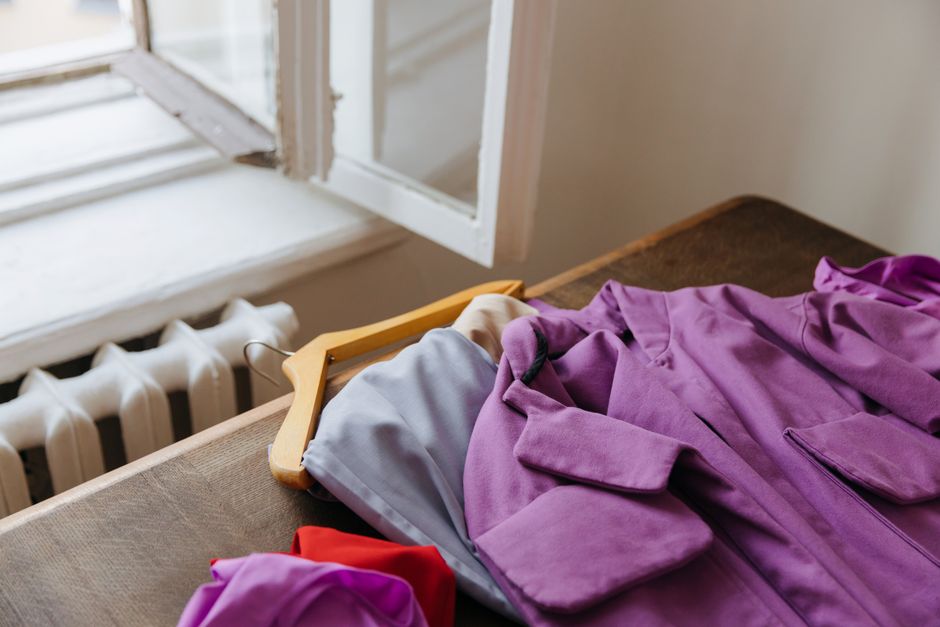
My verdict is simple: reject any secondhand piece that fails one of the three checks, even when the price feels unusually low. First, compare the seller’s measurements with a garment you already own and wear often; shoulder width, pit-to-pit, rise, inseam, and total length tell you more than a vague small, medium, or large label. Second, read the fiber content and check the fabric in natural light: wool should not feel brittle, cotton should not look thin at high-friction areas, and stretch fabric should recover after a gentle pull. Third, inspect the underarms, crotch, cuffs, collar, pocket openings, lining, seams, and closures because damage hides where the garment receives the most stress.
I also use a ten-second movement test when shopping in person. I raise both arms, sit down, twist, and reach forward. If the garment pulls across the back, exposes the waistband, or makes me adjust it every few seconds, I leave it behind. A beautiful item that restricts normal movement becomes an expensive hanger resident.
Online, I ask for missing measurements and close-up photos before buying. A seller who cannot show the care label, hem, or damaged area may simply be busy, but I do not gamble on incomplete information. My best secondhand purchases had clear photos, honest flaws, and measurements that matched the listing. The best price is irrelevant when the item arrives unwearable.
The Pieces Worth Hunting, and the Pieces I Stopped Chasing
Hunt for durable materials and established shapes; stop chasing anything that only looks valuable because it is scarce. That is the strongest buying rule I took from the project. A well-cut wool coat, sturdy denim, silk shirt, or leather belt can earn repeated wear, but only when the cut suits your wardrobe. A rare designer label with shoulder pads you dislike is still a bad purchase.
What earned repeated wear
The COS wool coat became my most useful winter purchase because its straight shape worked over knits and dresses. I paid within my $180 ceiling after checking the lining and sleeve hems. The coat was not perfect; one button had been replaced with a slightly different one. That flaw was easy to live with, and the coat handled cold commutes better than several newer synthetic jackets I had owned.
I also kept searching for a Uniqlo cashmere crewneck, but I only bought one after checking it for moth holes, thinning at the elbows, and heavy pilling. The secondhand price made sense because the color worked with half my wardrobe. I would not buy the same sweater in a difficult color just because it was cashmere.
What I would not buy again
I stopped buying shoes with worn-down soles, even when the upper looked excellent. Resole costs can exceed the purchase price, and comfort problems cannot always be fixed. I also stopped buying dry-clean-only pieces for a lifestyle built around frequent washing. The fabric may be beautiful, but care friction turns a good garment into a garment I avoid.
Trend-led items became another no. A sharply cropped blazer, extreme low-rise trouser, or novelty sleeve can work when it fits your personal style, but resale scarcity often makes these pieces feel more urgent than they are. I now ask whether I would wear the item next season without needing to rebuild the whole outfit around it. If the answer is no, I pass.
The Mistakes That Nearly Broke the System
Did I buy too much just because it was secondhand?
Yes. I once bought four sweaters in one weekend because each cost less than $20. Two were itchy, one had sleeves that were too short, and the fourth duplicated a color I already owned. Secondhand is not a free pass for overconsumption. The shopping habit still needs limits.
How did I handle missing sizes?
I stopped treating the labeled size as reliable. Vintage sizing, brand changes, shrinkage, and tailoring make labels inconsistent. I measured a favorite garment at home and compared every online listing with those numbers. When a seller refused to provide measurements, I moved on. That single decision eliminated most fit mistakes.
When should someone avoid buying secondhand?
Do not buy secondhand when you need a guaranteed fit by a fixed date, when the item touches your skin and cannot be cleaned safely, or when the repair cost is unclear. New clothing can be the better choice for specialized safety gear, properly fitted undergarments, and time-sensitive events. The point is to build a useful wardrobe, not to win a purity contest.
After several months, the triumph was not owning a closet full of impressive finds. It was knowing what I had, why each piece stayed, and how to replace something without panic. The secondhand market will keep getting better at showing measurements, repair history, and fabric details. That shift could make careful fashion shopping less like treasure hunting and more like building a wardrobe with evidence behind every choice.