

Is your winter routine suddenly making your face greasy, bumpy, or dull? Do not throw out every product on the same weekend. The smart winter-to-spring skincare switch is smaller than social media makes it look: adjust texture first, keep your skin barrier stable, and increase sun protection before you add trendy actives.
What changes first: cleanser, moisturizer, or sunscreen?

Change texture before changing ingredients. Spring skin usually needs less weight, not a completely new chemistry experiment. Use this schedule as a starting point and adjust it to your actual skin signals.
| Routine step | Winter default | Spring adjustment | Change when |
|---|---|---|---|
| Cleanser | Cream cleanser at night, water in the morning | Cleanse in the morning only if sweat or oil builds up | Your face feels greasy before lunch |
| Moisturizer | Rich cream morning and night | Light lotion or gel in the morning; richer cream at night | Makeup slips or pores look congested |
| Sunscreen | SPF 30 or higher when outdoors | Broad-spectrum SPF 30 or higher every morning | Daylight lasts longer and outdoor time increases |
| Exfoliation | Low frequency because skin may be dry | Keep the same frequency until the barrier feels calm | Only after two weeks without stinging or peeling |
The first switch is usually moisturizer texture
Rich creams trap water and reduce moisture loss. That helps during cold, dry weather, but the same layer can feel sticky when heat, sweat, and sebum rise. Use a thin layer on the center of your face and a fuller layer on dry cheek areas. You do not need to downgrade every part of your face equally.
Sunscreen moves to the front of the routine
Spring sunlight deserves more attention because people spend longer outside without realizing it. Apply a generous, even layer after moisturizer and before makeup. Reapply after prolonged outdoor time, sweating, or wiping your face. A lighter sunscreen that you will actually apply beats a rich formula that stays untouched in a drawer.
How can you change your routine without breaking your skin barrier?
Most spring irritation comes from overcorrecting. Someone feels oilier, adds a scrub, swaps cleanser, starts an acid, and blames the weather when their skin turns red. Keep the process boring. Boring works.
- Keep your base routine for one week. Cleanse gently, moisturize, and use sunscreen. Do not add three new serums while you assess the seasonal change.
- Change one product category at a time. Start with moisturizer texture. Wait four to seven days before changing cleanser or adding a treatment.
- Reduce contact time before increasing strength. If a cleanser feels drying, use less product and rinse sooner. Do not jump straight to a stronger exfoliant.
- Patch test new leave-on products. Apply a small amount behind the ear or along the jaw for three nights. A patch test cannot guarantee your whole face will react well, but it can catch obvious trouble.
- Keep retinoids and acids on separate test weeks. Seasonal change already gives your skin extra variables. Adding both at once makes the cause of irritation impossible to identify.
Use the seven-day rule
Give a new moisturizer about a week before judging it, unless it causes burning, swelling, hives, or a fast rash. A few small bumps may come from congestion, fragrance, sweat, or a separate product. Do not punish your whole routine for one bad day. Track where the reaction appears, how quickly it starts, and what touched that area.
Know when to stop testing
Persistent burning, facial swelling, intense itching, or a rash that spreads calls for a stop, not another layer of soothing products. Remove the new item and return to the simplest routine your skin already tolerates. If symptoms continue, contact a qualified clinician. Spring is not a reason to push through a reaction.
Which spring skincare products are actually worth buying?
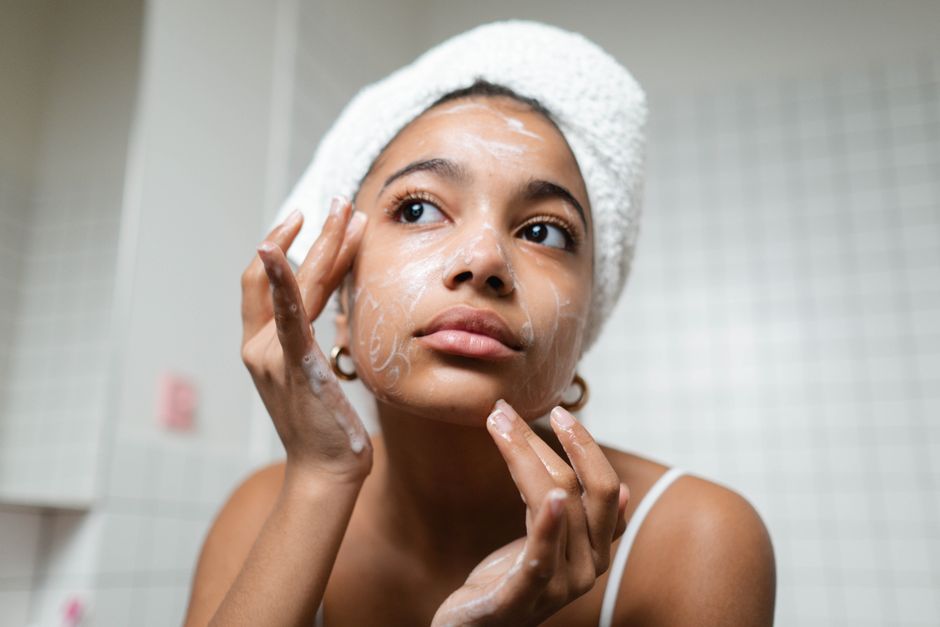
Spend the money on sunscreen and a reliable moisturizer first. Most people do not need a seasonal serum, mist, scrub, and mask. A cleanser, moisturizer, and sunscreen can handle the basic job better than a crowded shelf.
Best cleanser for warmer, oilier days
The COSRX Low pH Good Morning Gel Cleanser is the clearest pick for combination skin that feels greasy by midday. The 150ml bottle costs about $14, uses a mildly acidic pH, and gives a clean gel finish without the tight squeak of a harsh foaming wash. Use it at night or in the morning after sweaty workouts. Skip it if your cheeks already sting or peel; a gentler cream cleanser is the better purchase.
Best moisturizer for mixed spring weather
La Roche-Posay Toleriane Double Repair Face Moisturizer wins for normal, combination, and sensitive skin. The 75ml size is listed around $24.99 and includes ceramide-3, niacinamide, glycerin, and the brand’s prebiotic thermal water. It feels substantial enough for dry cheeks but does not force an oily forehead under a heavy balm. For very dry skin, keep a thicker cream for night instead of applying more of this formula during the day.
Best sunscreen for daily wear
EltaMD UV Clear Broad-Spectrum SPF 46 is the premium choice for acne-prone or combination skin. The 1.7-ounce bottle costs about $44 and contains 5% niacinamide, micronized zinc oxide, and a fragrance-free, non-comedogenic formula. For a lower-cost SPF 50+ option, Beauty of Joseon Relief Sun Rice + Probiotics comes in a 50ml tube at about $18 and has a comfortable, moisturizing finish. Pick EltaMD for blemish-prone skin and Beauty of Joseon for a lighter, dewy makeup base.
Which spring skincare mistakes cause breakouts?

Spring breakouts rarely come from one magical seasonal problem. They usually come from a routine that became too aggressive or too heavy.
- Changing everything at once: A new cleanser, moisturizer, sunscreen, acid, and mask create five possible causes of irritation. Change one category, then wait.
- Using a scrub to remove winter dullness: Rough particles can irritate dry or acne-prone skin. Dullness often improves when you restore hydration and remove buildup gently.
- Skipping moisturizer because your face looks oily: Oil and water are not the same thing. A lighter lotion can reduce the need to pile on makeup and powder.
- Applying too little sunscreen: A thin swipe across the face does not match the protection shown on the label. Use a generous, even layer and reapply when outdoor exposure lasts.
- Ignoring hair and clothing contact: Sweat, dry shampoo, styling products, collars, scarves, and hats can move onto the jawline and forehead. Wash those areas after exercise and keep fabric clean.
Mistake: blaming every bump on sunscreen
A breakout can come from sweat, friction, hair products, or a new makeup base. Stop the newest product first, then test the sunscreen again once your skin settles. Sunscreen remains the daily step with the biggest long-term payoff.
Mistake: treating redness like oil
Redness and shine can appear together when the barrier is stressed. More cleansing will not fix that combination. Reduce friction, pause strong actives, and return to a simple cleanser-moisturizer-sunscreen routine for several days.
When should you skip a new spring skincare product?
Skip the purchase if your current routine is comfortable, your skin is not congested, and the new product only promises a seasonal feeling. Spring is not a sales deadline. A product earns its place by solving a real problem: too much weight, poor sunscreen wear, sweat-related congestion, or a clear gap in your routine.
Do not buy a spring kit when one texture change solves the issue
If your winter cream feels heavy only in the morning, keep it for night and buy nothing else. If your sunscreen pills under makeup, test a thinner layer of moisturizer before replacing the sunscreen. If your cleanser leaves your skin tight, reduce washing before buying a stronger hydrating serum. The cheapest effective change is often a smaller amount or different timing.
Buy when the product fixes a specific failure
Buy a lighter moisturizer when rich cream causes persistent shine or clogged pores. Buy a new sunscreen when the current formula stings, pills, or makes you skip daily protection. Buy a new cleanser when sweat and oil remain after a gentle wash, not because a bottle uses the word spring.
So, when you wake up on the first warm morning with a shiny forehead and a heavy winter cream, do not rebuild your bathroom shelf. Keep the barrier routine, lighten the morning texture, and make sunscreen the final non-negotiable step. That is the winter-to-spring skincare switch that actually works.