
Your first vacation morning starts well. By late afternoon, the hotel-to-museum walk has turned into heel pain, tired arches, and the awkward decision to wear sneakers with a linen dress that looked better with sandals. That problem usually comes from more than a lack of cushioning. A travel sandal must hold the heel, guide the foot through each step, and stay secure when the pavement, stairs, and walking distance change. The best arch support sandals for travel under $150 combine those features with a shape you can actually wear with dresses, trousers, and shorts.
Why flat sandals cause foot fatigue on vacation
The clear verdict is simple: a soft sole cannot replace stable support. A sandal can feel comfortable for the first hour and still leave your feet aching after several miles because the foot keeps working to grip the shoe.
What arch support actually does
Your arch helps spread pressure as your heel lands and your forefoot pushes away from the ground. A supportive sandal gives that structure a defined platform, so your toes do not have to claw the footbed to keep the shoe attached. A deep heel cup can also reduce side-to-side movement, while a firm midsole limits the twisting that often makes tired feet feel worse. That does not mean the highest bump is the best choice. The support must sit under your own arch, not behind it or directly on the tender center of the foot.
Travel creates a tougher test than ordinary summer wear. You may walk on concrete, climb uneven steps, stand in airport lines, and wear the sandals for eight or ten hours. That repeated load exposes weak construction quickly.
Why soft sandals still hurt
Many inexpensive slides use a thin foam base with no heel counter, no adjustable strap, and no shaped footbed. Your foot then slides forward, your toes grip, and the arch muscles stay tense. A completely rigid sandal can create a different problem when it does not match your foot shape. Some people also mistake a raised heel for support, even though a high wedge can increase pressure at the front of the foot. For travel, a moderate heel-to-toe profile, a secure upper, and a footbed that keeps the heel centered matter more than plushness alone.
For a long sightseeing day, choose structure first and softness second.
How to choose a supportive travel sandal that fits

My strongest buying rule is to judge the fit while standing, not while sitting. Your foot spreads under body weight, and a sandal that feels roomy in a chair may become short or unstable after an hour of walking.
The four-point fit test
- Place your heel fully inside the rear edge of the footbed. You should not feel the heel hanging over the outsole.
- Check the arch. The raised section should meet the natural curve behind the ball of your foot, with firm contact but no sharp pressure.
- Walk for ten minutes on a hard floor. Your toes should stay relaxed instead of gripping the footbed.
- Adjust every strap while standing. The upper should hold your foot without leaving red marks or allowing your heel to lift repeatedly.
- Test your normal travel socks if you plan to wear them. Even a thin sock can change the fit around a closed or slingback strap.
Mistakes that make support fail
The most common mistake is buying a sandal one size too large because the straps feel more comfortable at first. Extra space lets the foot slide and removes the benefit of the shaped footbed. Another mistake is wearing a new pair for a full sightseeing day. Cork, leather, and firm molded materials often need several short sessions before they feel natural. Wear the sandals for 20 to 30 minutes at home, then increase the time over four or five days.
Do not ignore friction. A toe post that rubs in the store will usually rub more after heat and sweat enter the picture. Also avoid a sandal with a completely smooth outsole if your itinerary includes wet pavement, polished hotel floors, or steep streets. Traction is part of comfort because a cautious, tense stride makes tired feet work harder.
Which arch support sandals under $150 are worth packing?
The best options below serve different travel wardrobes and walking patterns. Prices are listed in U.S. dollars and can change by color, size, or sale status.
The short list
| Sandal | Listed price | Useful details | Best travel role |
|---|---|---|---|
| Vionic Tide II | $100 | Vio Motion Support, EVA midsole, TPR outsole, medium and wide options | Everyday city outfits |
| Teva Tirra Sport | $100 | 4 mm added foam, nylon shank, quick-dry straps, Spider Rubber outsole | Mixed terrain and long walks |
| Birkenstock Arizona Soft Footbed Birko-Flor | $123.95 | Cork footbed, EVA outsole, two adjustable straps | Minimal resort and city style |
| Aetrex Veronica | $101.21 sale price | Lightweight cork footbed, memory foam cushioning, hook-and-loop straps, elastic fit | Adjustable comfort and wider-feeling fit |
| Aetrex Vania | $149.95 | Genuine leather upper, memory foam cushioning, platform silhouette | Dressier summer outfits |
What the numbers mean
For the most balanced travel choice, the Teva Tirra Sport wins because its nylon shank, heel lock, grippy rubber, and quick-dry straps cover the widest range of vacation conditions. It is the pair I would pack for a trip that mixes pavement, boat decks, and casual trails. The Vionic Tide II is the better pick for a wardrobe built around dresses, cropped trousers, and polished separates, but its toe-post design is not ideal for people who dislike pressure between the toes.
The Birkenstock Arizona Soft Footbed is the strongest style choice when you want a recognizable, pared-back sandal with a cork footbed, though the firm feel and break-in period can surprise people used to foam slides. Aetrex Veronica offers the easiest fine-tuning because its adjustable straps and elastic sections let you manage swelling during a long day. The Vania looks the most elevated, but its platform profile is less useful on uneven streets than the Teva.
My travel verdict: choose the Teva for walking and Vionic for polish
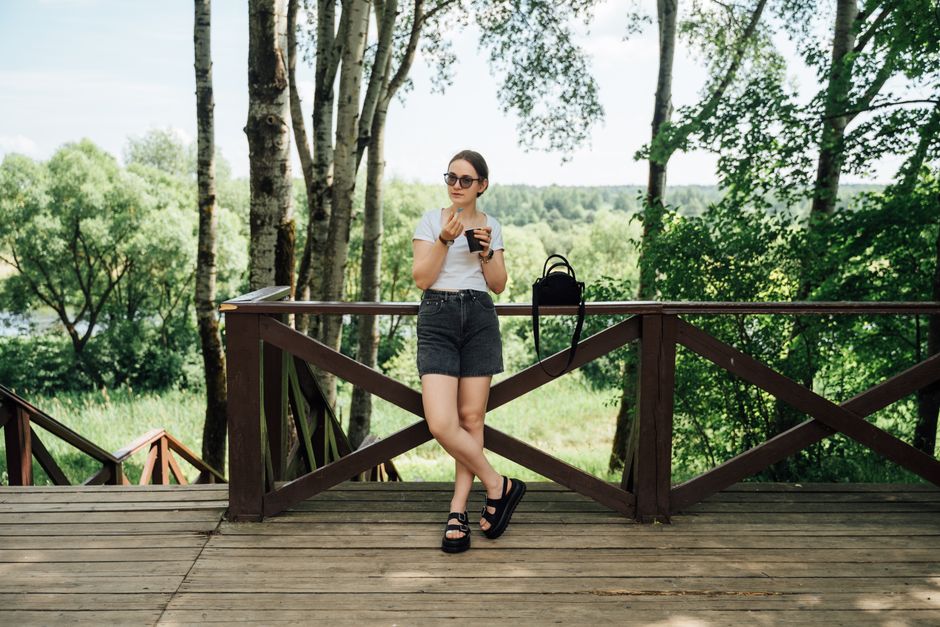
For one pair that can handle the most travel situations, choose the Teva Tirra Sport at $100. Its arch support is paired with a nylon shank, a locked-in heel, quick-dry straps, and a rubber outsole, so the sandal remains useful when the itinerary moves beyond smooth sidewalks.
Best for city walking
The Teva is the practical winner for museums, public transit, boardwalks, and uneven streets because its adjustable straps let you control movement without squeezing the forefoot, while the added 4 mm of foam keeps the ride from feeling harsh; the Vionic Tide II is a close second for people who spend most of the day on dry pavement and want a cleaner, more polished shape with medium and wide width options.
Best for resort outfits
For a resort wardrobe, the Birkenstock Arizona Soft Footbed Birko-Flor offers the best balance of recognizable style, shaped cork support, and a $123.95 price, while the Aetrex Vania is the better choice when a platform silhouette matters more than packability; the clear tradeoff is that the Arizona needs a gradual break-in and the Vania is less confident on steep or irregular ground.
When should you skip arch support sandals?

Are supportive sandals suitable for every foot problem?
No. A sandal can reduce fatigue caused by poor fit, weak structure, or long hours on hard ground, but it cannot diagnose or treat a medical condition. Persistent heel pain, numbness, swelling, or sharp arch pain deserves an assessment from a qualified clinician. People with diabetes, circulation problems, recent foot surgery, or a prescribed orthotic should follow their clinician’s footwear instructions instead of treating a shopping list as medical care. Support should feel steady and useful, not like a painful lump pressing into the arch.
When is a different shoe the better choice?
Skip open sandals for a full-day hike, heavy rain, cold weather, or an itinerary that requires toe protection. The Teva Tirra Sport is the most capable option on this list, but it is still not a hiking boot. Choose a walking sneaker when you need more heel control, a closed toe, or room for custom inserts. Also skip the Arizona if you need immediate out-of-the-box comfort, and skip the Vionic Tide II if a toe post irritates your skin. No state law is discussed on this page; this is a fashion and footwear buying guide. This is not legal advice — consult a licensed attorney.
Back to the traveler facing that late-afternoon heel pain: the right answer is not simply the softest sandal. Start with a centered heel, a matching arch, secure straps, and enough traction for the route. For most long walking trips, the Teva Tirra Sport is the safest under-$150 choice; for a polished city wardrobe, the Vionic Tide II earns the upgrade.