

The best winter hand-care routine is simple: use a gentle cleanser, apply cream while your skin is still slightly damp, and seal the driest spots with an ointment before bed. Cracked knuckles and peeling cuticles usually do not need a complicated product collection. They need fewer harsh exposures and more consistent barrier protection.
Stop Cracks Before They Open: The Five-Minute Method
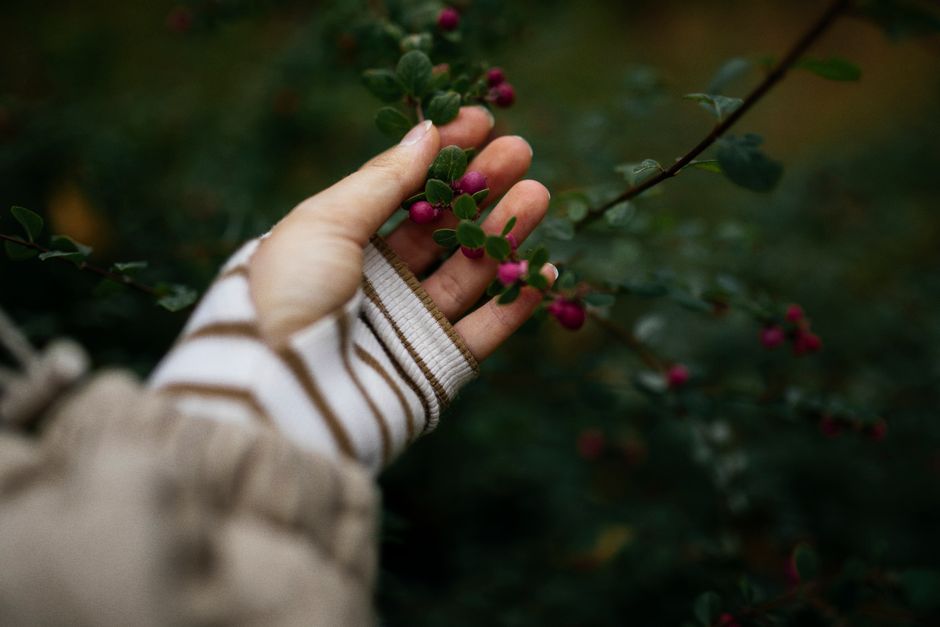
My recommendation is to treat early roughness as a warning sign. Waiting for bleeding cracks makes every later step slower and more uncomfortable.
Use this five-step reset
- Wash gently. Use lukewarm water and a fragrance-free cleanser when possible. Keep the wash short. Long, hot rinses leave hands tight and papery.
- Dry the right way. Pat with a towel and leave a trace of moisture on the skin. Do not scrub the knuckles dry with a rough towel.
- Apply cream immediately. Use enough to leave a slight slip on the skin. Focus on the knuckles, fingertips, nail folds, and the spaces between fingers.
- Seal the trouble spots. Add a tiny amount of petrolatum or another ointment over any crack that feels tight. The ointment works as a cover, not as a replacement for cream.
- Protect your hands outdoors. Wear lined gloves in cold wind. Wool can irritate some people, so choose a soft inner lining or wear thin cotton gloves underneath.
Small habits that stop the cycle
Keep gloves near the door instead of buried in a drawer. Apply hand cream after washing dishes, showering, and cleaning. Use rubber or nitrile gloves for wet chores, but remove them if sweat builds up inside. Damp, overheated hands can become irritated too.
Do not clip cuticles aggressively. Push them back only after a shower or hand soak, and leave the thin protective seal around the nail intact. I also avoid peeling loose skin from a knuckle. I trim only a fully detached flap with clean nail scissors, then cover the area with ointment.
That five-minute reset works best when repeated before the damage becomes visible. A rough patch that receives cream today may stay rough. A rough patch ignored for a week can turn into a split that hurts every time you make a fist.
Why Knuckles Split and Cuticles Peel in Cold Weather
The useful answer is not simply that winter is dry. The problem comes from repeated changes: cold outdoor air, dry heated rooms, warm water, soap, friction, and the constant bending of the fingers. Each change weakens the outer barrier a little. The skin then loses water faster than it can replace it.
Cold air and indoor heat pull water from the skin
Cold air holds less moisture than warm air. Indoor heating makes the room feel comfortable, but it often lowers relative humidity. The hands move between those conditions several times a day. That shift does not instantly destroy the skin, but it makes dry patches appear faster when the barrier already has small gaps.
Knuckles are especially vulnerable because the skin stretches over the joints. A small dry line becomes a split when you bend your fingers, grip a bag, or pull on a sweater. The best response is not to avoid movement. It is to keep the skin flexible with cream and protect open areas with an ointment layer.
Soap, sanitizer, and friction add up
Hand washing removes dirt, germs, and some surface oils. Sanitizer can also leave the skin dry, especially when used many times in a day. Neither product deserves automatic blame; clean hands matter. The mistake is failing to replace moisture after cleaning.
Fragrance, essential oils, and strong exfoliating acids can create more trouble when the skin is already split. Scrubs are another poor choice. They remove flakes but do not repair the barrier underneath, so the hands may look smoother for one evening and feel worse the next morning.
When the problem may be more than winter dryness
If cracks keep returning in one exact area, become very itchy, form blisters, or spread beyond the hands, ordinary dryness may not be the whole story. Contact dermatitis, eczema, psoriasis, and fungal infections can resemble dry skin. A rash that does not improve after two weeks of gentle care deserves a pharmacist or dermatologist review.
Seek medical help sooner for deep bleeding, pus, increasing warmth, swelling, or severe pain. Hand cream is not a substitute for treatment when the skin shows signs of infection. That is the boundary I use: simple dryness gets a barrier routine; persistent or inflamed skin gets professional attention.
Which Hand Cream Fits Your Winter Problem?

My winner for most people is CeraVe Therapeutic Hand Cream because it combines ceramides, hyaluronic acid, and a non-greasy finish at a moderate price. For severe cracks, I would choose La Roche-Posay Cicaplast Hand Cream or plain Aquaphor instead of a light lotion.
My practical comparison
| Product | Typical size and price | Best use | My verdict |
|---|---|---|---|
| CeraVe Therapeutic Hand Cream | 3 oz, about $13 | Daily dryness and frequent washing | Best all-round day cream |
| O’Keeffe’s Working Hands Cream | 3.4 oz, about $9 | Rough knuckles and very dry hands | Best low-cost heavy-duty option |
| La Roche-Posay Cicaplast Hand Cream | 3.4 oz, about $15 | Chapped, irritated hands | Best for a protective, quick-drying layer |
| Aquaphor Healing Ointment | 1.75 oz, about $6 | Open cracks and overnight sealing | Best seal, but too greasy for most daytime use |
| Burt’s Bees Lemon Butter Cuticle Cream | 0.6 oz, about $7 | Dry nail folds and cuticle edges | Best targeted cuticle balm, not a full hand cream |
Where each product can fail
O’Keeffe’s Working Hands is economical and dense, but some people dislike the tacky finish. Aquaphor is excellent on a split knuckle but leaves fingerprints on phones and clothing. Burt’s Bees Lemon Butter Cuticle Cream is convenient for nails, yet its small tin does not replace a proper hand cream. La Roche-Posay Cicaplast feels more polished on the skin, but the higher price does not make it automatically better for mild dryness.
For a fashion reader who wants soft hands without greasy palms, CeraVe is the strongest daily pick. For hands that crack after outdoor walks or repeated cleaning, O’Keeffe’s at night plus CeraVe during the day is the pairing I would buy. I would skip scented luxury hand lotions until the skin has healed.
Winter Hand-Care Questions I Answer Every Year
Should I put hand cream on before bed?
Yes. Night is the easiest time to use a richer layer because you are not touching a keyboard, phone, or handbag. Apply cream first, then a thin coat of ointment over the knuckles and cuticles. Cotton gloves can help, but they are optional. The key is leaving enough product on the skin to slow water loss for several hours.
Why do my cuticles stay dry even when my hands feel soft?
Cuticles often need targeted care. Hand cream may glide over the nail folds without reaching the dry edge. Massage a rice-grain amount of cuticle balm or ointment into each nail fold after washing. Do not cut the cuticle back to make it look cleaner. That creates a rougher edge and removes part of the nail’s protective seal.
Is hand sanitizer worse than hand washing?
Neither is always worse. Sanitizer is useful when soap and water are unavailable, while washing removes visible dirt and some chemicals. Both can dry the skin when used often. Let sanitizer dry fully, then apply hand cream once the alcohol has evaporated. For routine washing, use lukewarm water and keep the cleanser contact time brief.
When should I stop treating this at home?
Stop experimenting when cracks bleed repeatedly, itch intensely, spread, swell, or show pus. Also get advice if a careful two-week routine does not improve the skin. Switching between five scented products can hide the cause and prolong irritation. A short, plain routine gives you a clearer answer.
My 2026 Verdict: Use Ointment at Night, Cream by Day
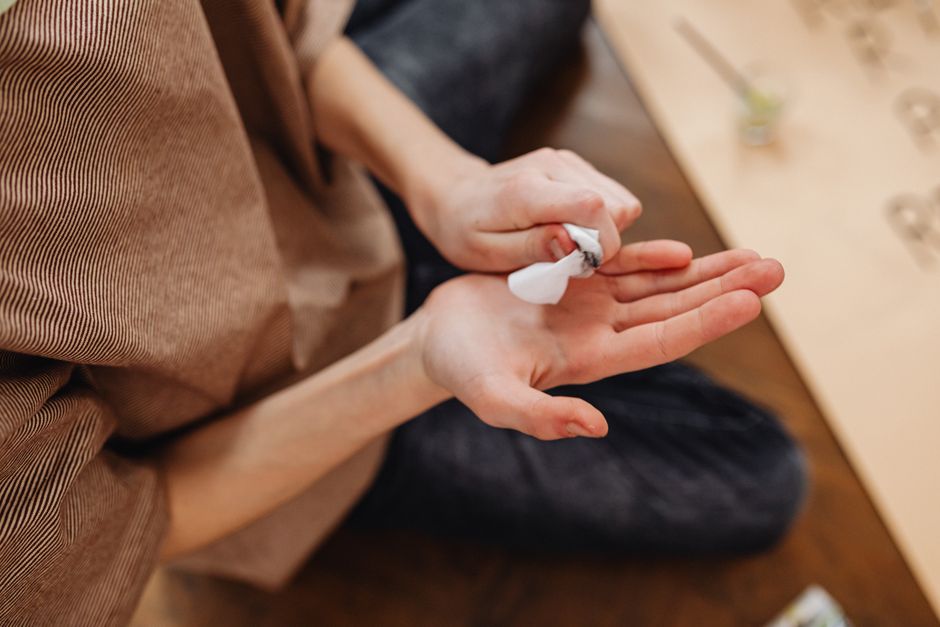
My strongest recommendation is CeraVe Therapeutic Hand Cream for daytime and Aquaphor Healing Ointment for damaged spots at night. That combination solves the two different jobs: cream makes the hands comfortable enough for daily life, while ointment slows water loss where the barrier has actually split.
Do not buy a premium scented hand lotion if your main problem is bleeding knuckles. You are paying for texture and fragrance while still missing the protective layer your skin needs. Do not buy a cuticle-only product as your entire hand routine either. Burt’s Bees Lemon Butter Cuticle Cream is useful around nails, but it cannot cover the backs of the hands efficiently.
The routine I would buy and use
Keep CeraVe beside the sink and apply it after every major hand wash. Use O’Keeffe’s Working Hands instead if you prefer a thicker cream or spend hours outdoors. At bedtime, apply a small amount of Aquaphor to the knuckles, fingertips, and nail folds. If your hands are cracked, pause scrubs, fragranced oils, and aggressive cuticle trimming for two weeks.
Quick comparison for the final choice
| Your main problem | Best choice | Why |
|---|---|---|
| Daily dryness with a non-greasy feel | CeraVe Therapeutic Hand Cream | Ceramides and a practical finish |
| Hard, rough knuckles | O’Keeffe’s Working Hands Cream | Dense texture at a low price |
| Deep cracks | Aquaphor Healing Ointment | Creates the strongest overnight seal |
| Dry cuticle edges | Burt’s Bees Lemon Butter Cuticle Cream | Small, targeted balm for nail folds |