
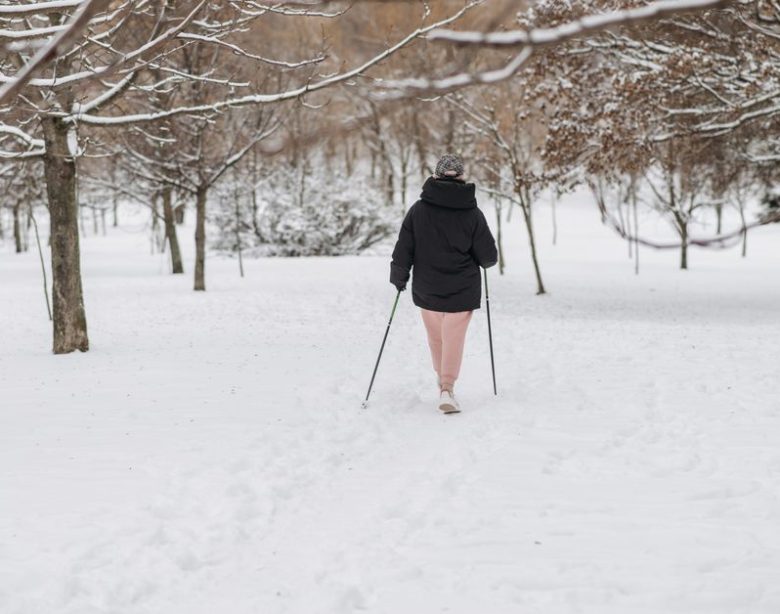
You leave work at 6:10 p.m., step onto a polished patch of sidewalk, and your regular leather boots suddenly feel like skates. That is the real test for winter footwear. A boot can look warm, cost $200, and still fail on wet ice. The right pair needs a gripping outsole, dry insulation, stable fit, and enough style to work with the clothes you already wear.
How Ice Changes the Winter Boot Decision
Wet ice is a traction problem first
Snow and ice create different risks. Deep snow asks for height, insulation, and a sealed upper. Wet ice asks for rubber that stays flexible in low temperatures and an outsole designed to make contact with a slick surface. Large, deep lugs help in loose snow, but they do not automatically grip a smooth sheet of ice. A boot with a dramatic tread pattern can still slide if its rubber compound becomes hard in freezing weather.
Start by looking for a named ice-focused outsole. Terms such as Vibram Arctic Grip, Vibram Icetrek, and KEEN.POLAR TRACTION mean more than a vague label such as winter sole. They do not make a boot slip-proof, but they give you a useful performance clue. You still need to shorten your stride and avoid stepping on painted lines, metal plates, and smooth tile.
Warmth starts under your foot
Insulation numbers matter, but they are not the whole warmth story. A 200g insulation package can work well for daily errands, while a 400g boot is better for long periods outside in deep cold. Your socks, circulation, activity level, and the space inside the boot also affect warmth. A tight boot compresses insulation and leaves less room for warm air.
My first-principles verdict: buy for the surface you walk on, not the lowest temperature printed on the box. City commuters usually need reliable wet-ice traction and moderate insulation. People standing still outdoors for hours need more insulation and a taller shaft.
The Five-Minute Store Test for Icy-Weather Boots

The quickest buying method is simple: test the boot in the same socks you will wear in winter, then reject any pair that creates pressure before you think about color or brand.
Use this five-point check
- Push your heel firmly into the back. Your heel should stay planted when you walk.
- Leave about a thumb-width of space in front of your longest toe. Toes need room to move.
- Flex the boot at the forefoot. It should bend where your foot bends, not fold in the middle.
- Inspect the tongue and cuff. A gusseted tongue and snug collar keep snow from entering.
- Run your hand around the inside. Look for seams, stiff edges, or lining that bunches behind the heel.
Do not let the price tag decide the purchase
A $240 boot is not automatically safer than a $120 boot. You are paying for the outsole compound, waterproof construction, insulation, fit, and expected service life. Ask what the boot is built to do. A fashion boot with a smooth rubber sole may be fine for dry sidewalks but a poor choice for freezing rain. A bulky expedition boot may protect your feet yet look excessive with office clothing and feel awkward on cleared city streets.
The practical verdict: if a boot slips inside the heel, pinches across the toes, or bends in the wrong place, leave it behind. No outsole technology can fix a bad fit.
Traction Features Compared: What Actually Helps on Ice?
Marketing language gets noisy around winter footwear. The useful question is not which boot has the deepest tread. It is which outsole stays in contact with the surface you walk on most often.
Ice compounds beat aggressive-looking lugs on smooth surfaces
| Boot | Price shown in 2026 | Warmth and traction details | Best use |
|---|---|---|---|
| KEEN Revel IV High Polar | $220 | 400g insulation, rated to -40°F, KEEN.POLAR TRACTION, 5mm lugs | Deep cold and snow |
| Merrell Coldpack 3 Thermo Mid Zip | $185 list; $109.99 sale | 200g insulation, Vibram Arctic Grip, waterproof leather | Wet city ice |
| Merrell Siren 4 Thermo Mid Zip | $190 list; about $114 sale | 200g insulation, Vibram Icetrek, 5mm lugs, 5.91-inch shaft | Winter walking and light hikes |
| SOREL Joan of Arctic | $240 | Waterproof construction, tall snow-ready profile | Snowy casual outfits |
Choose the outsole for your usual route
For wet, polished sidewalks, the Merrell Coldpack 3 Thermo has the strongest practical case because Arctic Grip is aimed at slippery, cold surfaces and the mid-height shape is easier to wear around town. For loose snow and severe cold, the KEEN Revel IV High Polar wins because its 400g insulation and -40°F rating give it a larger comfort margin. The SOREL Joan of Arctic is the style-forward choice, but its taller, heavier shape is less convenient for long pavement walks.
Bottom Line: smooth ice rewards specialized rubber and steady foot placement. Deep snow rewards height and insulation. Pick the condition you face most often.
How Should Winter Boots Fit With Thick Socks?

Fit is where many expensive winter boots fail. Shoppers often size up one full size, add thick socks, and end up with a loose heel that causes blisters and poor control. The better approach is to create useful space without letting the foot slide.
Should you size up for winter socks?
Usually, start with your normal size and test it with the thickest socks you actually wear. You need space above the toes and around the forefoot, but not a long empty pocket in front of your foot. Press the toe box while standing. Your toes should move freely, and the boot should not touch your longest toe when you walk downhill. If the boot feels tight in width, choose a wide version before jumping to a longer size.
How much heel movement is acceptable?
A small amount of lift during the first few steps is normal in a stiff new boot. Your heel should not rise enough to rub or make your foot shift sideways. Lace the lower eyelets snugly, then lock the ankle with the upper eyelets. For zip boots, check that the zipper closes without squeezing the instep. A removable insole can help create volume, but removing it may reduce cushioning and warmth.
Try both boots late in the day, when feet are slightly larger. Walk, climb stairs, and stand still for five minutes. The best fit feels secure before the boot breaks in. Do not count on thick socks to solve pressure; extra fabric can restrict circulation and make cold feet worse.
Fit verdict: choose a stable heel, generous toe movement, and enough volume for one warm sock. That combination beats simply buying a larger number.
My Clear Picks for Style and Ice Protection
My top city pick is the Merrell Coldpack 3 Thermo Mid Zip. It combines a waterproof leather upper, 200g insulation, a waterproof zipper, and Vibram Arctic Grip in a shape that can work with straight-leg jeans, wool trousers, or a long puffer coat. The $185 list price is high, but the listed sale price around $109.99 makes it the most convincing value in this group.
Best for severe cold: KEEN Revel IV High Polar
The KEEN Revel IV High Polar costs $220 and uses 400g of recycled PET insulation, a Thermal Heat Shield insole, and KEEN.POLAR TRACTION with 5mm multidirectional lugs. KEEN rates it to -40°F. The generous forefoot is useful for thick socks and cold-weather circulation. My verdict is clear: choose it for long outdoor exposure and deep snow, not for a sleek office commute.
Best for a lighter feminine fit: Merrell Siren 4 Thermo Mid Zip
The Merrell Siren 4 Thermo Mid Zip lists at $190 and has appeared around $113.99 on sale. Its 200g PrimaLoft Gold Eco insulation, Solarcore insole, waterproof full-grain leather, Vibram Icetrek outsole, 5mm lugs, and 5.91-inch shaft give it a balanced setup for winter walks. The side zipper is practical, but the boot still needs careful heel fitting. It is my pick for people who want outdoor function without an oversized snow-boot silhouette.
Best for snow-focused outfits: SOREL Joan of Arctic
The SOREL Joan of Arctic sells for about $240 and brings the strongest fashion identity of these options. Its waterproof construction and tall profile suit snow, winter dresses, leggings, and wide-leg denim. It is not my first choice for repeated wet-ice commuting because the shape feels more substantial and the style is less versatile with tailored clothing. Buy it for snow-day dressing, not because a tall shaft automatically means better ice grip.
Bottom Line: Merrell Coldpack 3 is the best overall city boot, KEEN Revel IV is the cold-weather specialist, Merrell Siren 4 is the lighter all-rounder, and SOREL Joan of Arctic is the fashion-led snow choice.
Winter Boot Mistakes That Cause Cold Feet and Falls

The most common failures are predictable. They come from matching a boot to its appearance instead of its job.
Five mistakes to avoid
- Buying a smooth sole: a fashionable Chelsea boot may look polished but lose control on freezing rain.
- Trusting the temperature rating alone: ratings vary by activity and personal tolerance. A static person needs more warmth than someone walking quickly.
- Overstuffing the boot: two pairs of thick socks can restrict blood flow and crush insulation.
- Ignoring wetness: a warm liner cannot compensate for water entering through the tongue, seams, or cuff.
- Skipping traction aids: no boot makes glare ice safe. Removable ice cleats can add security for severe conditions.
When should you skip a heavily insulated boot?
Do not buy the warmest boot available if most of your day happens indoors. Sweaty feet become cold feet when moisture builds inside the lining. A lighter waterproof boot with a wool-blend sock can be more comfortable for short walks between transit, work, and errands.
Skip a tall snow boot if you drive often, climb many stairs, or wear tailored trousers. The extra shaft can bunch fabric and limit ankle movement. Choose a mid boot with a secure collar instead. The right alternative is the one that prevents the problem you actually face.
Failure-mode verdict: choose fewer features with a clear purpose rather than paying for extreme warmth that makes your daily routine harder.
How to Buy Without Overpaying for Winter Protection
Buy the outsole and fit first, then judge the styling. For most city shoppers, the best 2026 purchase is a waterproof mid boot with a named ice-grip compound, 200g insulation, and enough room for one warm sock. That brief points toward the Merrell Coldpack 3 Thermo Mid Zip. Choose the KEEN Revel IV High Polar only when severe cold and deep snow justify its extra weight and $220 price.
Use the total cost, not the monthly payment
A boot priced at $220 costs $36.67 per month over six months only if the plan truly carries 0% APR and no deferred-interest trap. A 24% to 35.99% APR offer can add meaningful interest, and a late fee may run roughly $25 to $41 depending on the account. Pay in full when possible and read the checkout terms before accepting a financing offer. This is not financial advice.
Make the pair last through the season
Brush off salt after each wear, let wet boots dry at room temperature, and avoid placing leather directly against a heater. Remove the insoles overnight if they hold moisture. Reapply the care product recommended for the upper, and inspect the outsole before the next freeze. A worn tread is a safety issue, not a minor cosmetic flaw.
The winter boot market is moving toward lighter insulation, recycled materials, and more specialized rubber compounds. That is a useful direction for fashion shoppers: the strongest pair no longer has to look like expedition gear. In 2026, the smartest choice is still the same simple one—match the outsole, warmth, and shape to the winter you actually walk through.