

Are you about to spend $200 to $500 on a chain that looks delicate online but may not survive your actual routine? Picture the common situation: you want one gold necklace for work, weekends, travel, and dinners, but the product page mixes solid gold, gold vermeil, and gold plating. The photos look almost identical. The prices do not. The smart comparison starts with what you are buying at the metal level, how often you will wear it, and what happens when the clasp fails.
What makes everyday fine jewelry worth the price?
The real return is cost per wear
Fine jewelry solves a simple wardrobe problem: one small, durable piece can finish dozens of outfits without taking up closet space. That makes jewelry a style purchase with a useful cost-per-wear calculation, not a guaranteed financial asset. A $300 necklace worn 150 times over three years costs $2 per wear. A $60 fashion necklace that fades after 12 wears costs $5 per wear. The cheaper item only wins if it lasts long enough or gives you enough pleasure to justify replacing it.
Cost per wear matters more than a brand’s word choice. Track the number of wears, the metal, the repair options, and the chance that you will still like the shape next year. A simple 16-to-18-inch chain in yellow gold usually works with crewnecks, shirts, dresses, and open collars. A very thin pendant may look refined but can disappear against knitwear or break when caught on a bag strap.
Fine jewelry is not the same as an investment
Gold has material value, but retail jewelry also includes design, labor, packaging, rent, marketing, and profit. Resale buyers rarely pay the original retail price for a lightly worn branded chain, and gold vermeil has little scrap value compared with solid gold. Buy a piece because you will wear it, not because you expect it to beat a savings account.
Verdict: everyday fine jewelry earns its price when you wear it often, choose a versatile design, and accept that its main return is repeated style value rather than guaranteed resale profit.
How should you judge 14K gold, 18K gold, and vermeil?
Metal content changes the maintenance bill
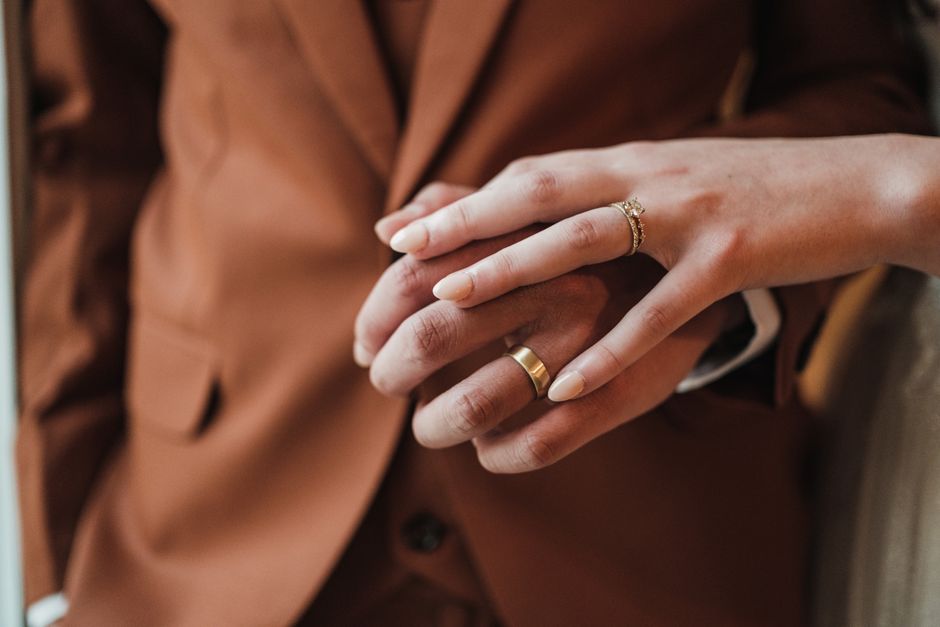
14K solid gold contains 58.5% pure gold and blends the remainder with harder metals. It is usually the practical choice for daily wear because it balances color, strength, and price. 18K solid gold contains 75% pure gold, so it has a richer yellow tone and a higher material cost, but it is also softer. Neither should be treated as indestructible. Thin links, jump rings, posts, and clasps can still bend or break.
Gold vermeil means sterling silver covered with a layer of gold, commonly 18K. It can look excellent when new, but friction, sweat, soap, sunscreen, and perfume eventually wear through the surface. Gold-plated jewelry uses a thinner coating over a base metal and usually costs less. It is a sensible choice for trend-led pieces, but a poor substitute for solid gold if you want to sleep, shower, swim, and exercise in the same necklace.
Use the wear test before the shopping test
Ask three questions. Will the item touch water or sweat every day? Will it catch on sweaters, seat belts, or headphones? Would you be upset if the finish changed after a year? If the answer to two questions is yes, choose solid gold or plan to remove the piece during those activities. For sensitive ears or skin, check the full material listing rather than relying on a “hypoallergenic” label.
Verdict: choose 14K solid gold for the strongest everyday value, 18K solid gold for a richer color and more luxury feel, and vermeil or plating only when a lower upfront price matters more than permanent finish.
Mejuri vs. Gorjana: how do prices and materials compare?
The first mistake shoppers make is comparing a $138 vermeil necklace with a $220 solid-gold necklace as if they are the same product. They are not. The table below uses current U.S. list prices shown on the brands’ official sites when checked in September 2026. Prices and stock can change.
| Piece | Material | Listed price | Best use |
|---|---|---|---|
| Mejuri Oval Link Chain Necklace | 18K gold vermeil | $138 | Layering on a budget |
| Mejuri Chain Necklace | 10K yellow gold | From $228 | Lower-cost solid gold |
| Mejuri Baby Box Chain Necklace | 14K yellow gold | From $398 | Fine, minimal daily chain |
| Gorjana 14K Gold Basic Chain | 14K solid gold | $220 | Best entry-level solid gold |
| Gorjana 14K Gold Parker Delicate Link Necklace | 14K solid gold | $390 | More visible chain texture |
| Gorjana Parker Necklace | 18K gold plated | $78-$88 | Affordable seasonal styling |
What the price gap tells you
Mejuri offers a wider ladder from sterling silver and vermeil into 10K and 14K gold. Gorjana makes its entry into solid gold unusually clear: the 14K Gold Basic Chain is listed at $220 and adjusts from 16 to 18 inches with a spring-ring closure. The Gorjana chain collection also makes the brand’s plated and fine-jewelry tiers easy to separate.
Bottom Line
On like-for-like material, Gorjana wins the starting-price comparison with the $220 14K Basic Chain. Mejuri wins for range, especially if you want to begin with vermeil and upgrade later. The Mejuri chain listings show why checking karat and construction beside the price matters more than comparing logos.
Which brand is better for a daily signature piece?
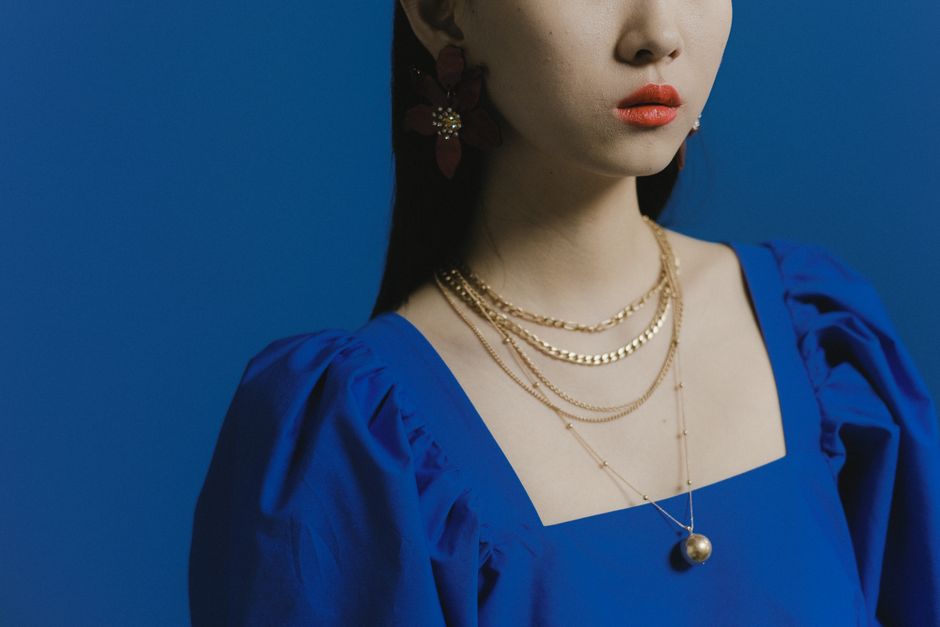
Gorjana is my pick for a first solid-gold everyday necklace; Mejuri is my pick for a broader capsule-jewelry wardrobe. That is a specific split, not a tie. Gorjana’s $220 14K Gold Basic Chain gives a shopper a clear solid-gold starting point, an adjustable 16-to-18-inch length, and a simple shape that supports charms or layering. It is the better answer for someone who wants one quiet necklace and does not need a large design menu.
Why Mejuri suits a build-out wardrobe
Mejuri has more visible steps between entry-level and premium pieces. The $138 Oval Link Chain Necklace in 18K vermeil is a lower-risk way to test a chunkier layer. The $228 Chain Necklace in 10K yellow gold offers a solid-gold route below many 14K options. The $398 Baby Box Chain Necklace moves into 14K yellow gold for a finer, more permanent foundation. That range is useful when you want earrings, rings, charms, and chains to share a metal story.
Why Gorjana suits a cleaner purchase
Gorjana’s style leans easy and coastal, with recognizable Parker and Newport shapes. Its plated pieces make sense for inexpensive layering, while the 14K collection gives a clear upgrade path. The tradeoff is that some fine pieces use delicate links, so a higher price does not remove the need for careful storage or removal during exercise.
Bottom Line: buy the Gorjana 14K Gold Basic Chain for the best first solid-gold purchase; buy Mejuri when you want more metal grades, silhouettes, and matching capsule options.
How do you check a necklace before buying it?
Do this five-minute inspection before checkout or before removing the tags. A beautiful photograph cannot show the weak point in a clasp or the weight of a hollow link.
Five practical checks
- Read the material line. Confirm “10K,” “14K,” or “18K solid gold.” “Gold tone,” “gold finished,” and “gold plated” describe a different category.
- Measure the length. A 16-inch chain sits close to the collarbone; 18 inches usually falls lower and layers more easily. Adjustable chains give you more outfit options.
- Inspect the closure. Pull the clasp gently and check that the spring ring, lobster clasp, or clicker closes fully. A loose closure is a return, not a minor annoyance.
- Check link thickness. Very fine chains can suit a delicate look but may fail under friction. Match the link size to your habits, not only to the product photo.
- Read the care limits. “Water resistant” does not mean chlorine-proof, sweat-proof, or safe for every chemical. Rings face more impact than necklaces and need stricter care.
The mistake that costs the most
Do not buy a plated necklace for constant wear because the price feels close to solid gold. If you want a piece to stay on for years, save for solid gold. If you enjoy changing your layers every few weeks, plated jewelry may be the more honest purchase.
Verdict: the best necklace passes the material, length, closure, link, and care checks before you compare color or brand reputation.
What do returns, repairs, and financing really cover?
Does the warranty cover normal wear?
Not usually. Mejuri lists a two-year warranty for defects or workmanship issues, but excludes lost items, scratches, tarnishing, fading, improper care, excessive force, and outside modifications. Its standard U.S. return window is 30 days, with conditions and exclusions. Gorjana accepts unworn returns within 30 days, offers free returns, and says its fine-jewelry pieces qualify for a free repair service after customer-care review. A repair promise is useful, but it is not a promise that every accident gets replaced.
Should you finance a jewelry purchase?
This is not financial advice. For a $220 purchase, a genuine 0% APR four-payment plan costs $55 per payment if it has $0 fees. A 29.99% APR credit-card balance repaid over roughly 12 months costs about $36 in interest, and a $35 late fee can wipe out a small sale discount. Consumer card APRs can range from 20% to 35.99%, while BNPL terms vary by provider and borrower. If the monthly payment is the only reason the piece feels affordable, wait and save the cash.
Verdict: compare warranty exclusions and return deadlines before checkout, and treat 0% APR as useful only when the written terms also show $0 fees and a payment schedule you can meet.
When should you buy plated jewelry, solid gold, or neither?
Buy plated jewelry when you want a $78-$145 trend piece, change necklaces often, and accept that the finish will need protection from water, perfume, sweat, and cleaning products. Gorjana’s Parker Necklace is a good example of the category: attractive, accessible, and better suited to rotation than permanent wear.
Choose solid gold for repetition
Choose solid gold when the same piece will anchor your wardrobe several times a week. The Gorjana 14K Gold Basic Chain is the strongest value pick here because its $220 price is below Mejuri’s $398 Baby Box Chain while keeping the material in the solid-gold tier. Pick Mejuri’s 10K Chain Necklace when you want a lower-cost solid-gold option or prefer its styling system.
Know when not to buy either brand
Skip both if you are carrying a credit-card balance, still unsure about the length, or hoping the necklace will appreciate like bullion. A local jeweler may offer a heavier chain for the same metal price, and a vintage shop may give you a more distinctive design. The clearest answer is simple: for a first everyday solid-gold necklace, Gorjana wins; for a larger, mix-and-match jewelry wardrobe, Mejuri earns the extra choice.
The single most important takeaway: buy Gorjana for the strongest entry-level 14K value, and buy Mejuri for the broader everyday fine-jewelry system.