
Do you leave home in a light jacket, sunglasses, and a carefully planned outfit, then realize at lunch that you forgot sunscreen? That spring mistake is easy to make. The morning feels cool, sunlight looks soft, and winter habits linger. A short walk to the train, an outdoor coffee, or a bright car window can still add meaningful UV exposure.
The fix is not a ten-step routine. It is a repeatable system: apply enough SPF before getting dressed, keep a backup where you already spend time, and reapply when your day includes direct sun, sweat, or friction. These daily sunscreen habits make protection fit real life instead of treating it like a special beach-day task.
Why spring sunlight still calls for daily sunscreen
Spring warmth and UV exposure do not rise at the same speed. You can feel chilly while ultraviolet radiation reaches exposed skin. Clouds also block some visible light without removing all UVA and UVB. UVA contributes to long-term skin aging and can pass through ordinary window glass, while UVB plays a larger role in sunburn. That split explains why a cool commute can still leave your face exposed.
Use the two-finger amount for your face
For the face and neck, squeeze sunscreen along the length of your index and middle fingers. That amount gives you a practical starting point for the labeled protection level. A small dot on each cheek is not enough, even if the product feels rich. Spread the first half over your face, ears, and neck, then apply the rest after the first layer settles for a minute.
Protect the places spring clothes leave open
Low necklines, shirt collars, hands, forearms, and the tops of your feet often receive more sun in spring because wardrobes shift before people rebuild their sunscreen routine. Apply SPF to your ears and the part in your hair if it is exposed. Sunglasses and a brimmed hat help, but they do not replace sunscreen on uncovered skin. My basic verdict: daily SPF belongs beside your moisturizer and deodorant, not inside a beach bag.
How to make sunscreen application automatic

The best routine is the one that survives rushed mornings. Attach SPF to a habit that already happens at the same time every day, such as brushing your teeth, making coffee, or putting on earrings. Then place a second product in a location tied to your afternoon plans.
Build the morning sequence
- Wash or rinse your face, depending on how oily or dry your skin feels.
- Apply moisturizer if your skin needs it, then wait about one minute.
- Use the two-finger amount of sunscreen for your face and neck.
- Give the film a few minutes to settle before pulling a collar or scarf over it.
- Check the ears, hairline, eyelids, and neck in a mirror before leaving.
Keep a second SPF in your real life
Put a backup in the desk drawer, handbag, or car console. A travel-size sunscreen works well for short trips, but never leave it baking in a hot parked car because heat can damage the formula and container. Set a phone reminder for the time you normally step outside again. The reminder should say reapply sunscreen, not take better care of your skin. Plain language gets acted on faster.
For spring errands, I recommend a morning application plus one midday check. You do not need to reapply every few hours while sitting indoors all day, but direct sun, outdoor lunches, long drives, sweat, and rubbing from masks or scarves change the plan.
Do you need to reapply sunscreen on a normal spring day?

Reapply based on exposure, not the clock alone. A person working beside a sunny window, walking between meetings, and eating outside needs a different plan from someone indoors away from windows. The useful question is not how many times a beauty routine can be repeated. It is how much direct sun, sweat, water, and rubbing your skin has faced.
When should you reapply during a workday?
Reapply after about two hours of direct outdoor exposure. If your day contains short trips outside, refresh before a long lunch walk or an afternoon event. A makeup-friendly mist can feel convenient, but it may not deliver enough product for the labeled SPF unless you apply a generous, even layer. A lotion or cream remains easier to measure. For a face already covered with makeup, press a lotion over clean hands and pat it onto exposed areas, then repair makeup where needed.
What changes after sweat, water, or friction?
Water-resistant sunscreen still needs reapplication after swimming or heavy sweating. Towel drying removes product even when the label says water resistant. Sunglasses, helmet straps, mask edges, collars, and hands can also rub protection away. The practical answer is to carry a small tube on hiking days and apply after drying off. Do not treat a high SPF number as permission to skip the second layer. SPF 50 is not a force field; it gives you a wider margin when application is imperfect.
My spring sunscreen picks by skin and styling problem
My strongest overall pick for dry or normal skin is Beauty of Joseon Relief Sun Rice + Niacinamide SPF50+ PA++++. The 50 mL tube costs about $18, spreads easily, and works well under a spring wardrobe that leaves the neck and upper chest visible. Its dewy finish is the tradeoff, so oily skin may prefer a lighter or more matte formula.
For a polished makeup base
Choose Supergoop! Unseen Sunscreen SPF 40 if you want a smooth, nearly invisible layer under foundation. The 1.7 oz tube costs about $38. It is the clearest pick for someone who dislikes white cast and wants sunscreen to behave like a primer. Skip it if silicone textures make your makeup slide or if you prefer a more hydrated finish.
For sensitive, blemish-prone skin
Choose EltaMD UV Clear SPF 46 for a lightweight face formula with a strong reputation among people who dislike heavy sunscreen. The 1.7 oz bottle costs about $43. For a lower-cost alternative that covers the body well, use Neutrogena Ultra Sheer Dry-Touch SPF 55 at about $14 for 3 oz, but keep it away from your eyes if it stings. My verdict is simple: buy EltaMD for the face when comfort is your main barrier, and buy Neutrogena when generous body coverage matters more than a luxury finish.
Common spring sunscreen mistakes that waste the routine
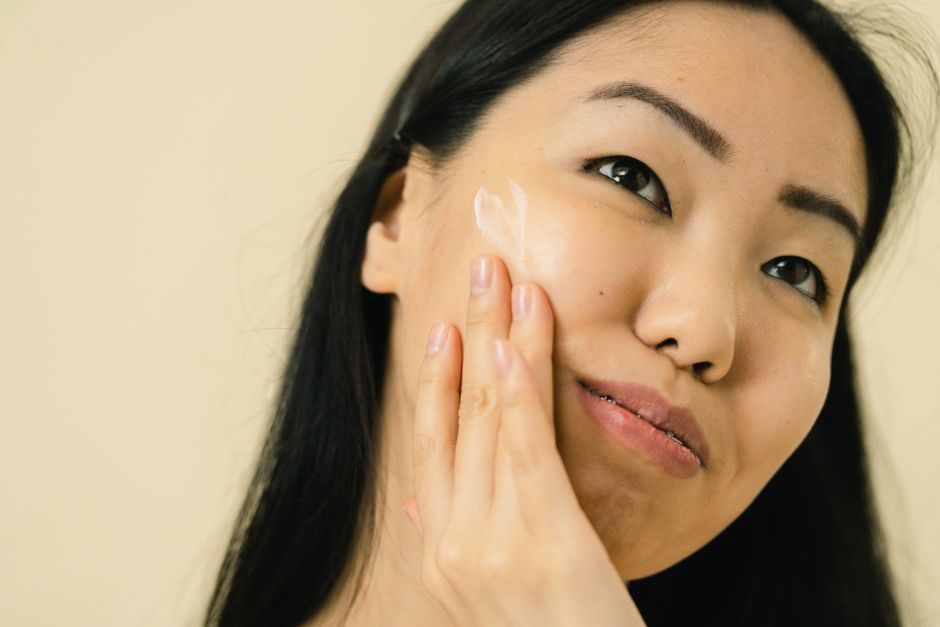
Most sunscreen failures come from too little product, poor timing, or choosing a formula that clashes with clothes and makeup. Fix the habit before buying another bottle.
Mistake one: applying only to the center of the face
Many people cover their cheeks and forehead but miss the ears, hairline, jaw, neck, and eyelids. Those gaps show up when spring hairstyles expose more skin. Apply in sections: face, ears, neck, then chest or hands. If sunscreen pills, reduce the number of layers underneath and let moisturizer settle before SPF. Do not rub aggressively after the product begins to set.
Mistake two: buying a product you will ration
A $43 bottle is poor value if you use a pea-sized amount to make it last. Buy the formula you can afford to apply correctly. For a budget routine, spend more on a comfortable face sunscreen only if it helps you use enough, then choose a larger drugstore bottle for arms and chest. Avoid relying on SPF in foundation or a tinted moisturizer as your only protection. Makeup layers rarely provide the full labeled amount.
- Do not use an expired tube or one that has changed smell, color, or texture.
- Do not leave sunscreen in direct heat for hours.
- Do not assume one morning application protects an afternoon run.
- Do not buy a strongly fragranced formula for the eye area if fragrance causes stinging.
When not to buy another sunscreen: if your current product feels comfortable, has not expired, and you can apply enough, finish that tube first. Better habits beat a crowded bathroom shelf.
A simple spring sunscreen schedule for real outfits
The best spring sunscreen routine has two checkpoints: before getting dressed and before the day’s longest outdoor block. That schedule is easier to remember than a rigid timer, and it matches how people actually move through work, shopping, commuting, and social plans.
Use this daily timing chart
| Time | Action | What to cover |
|---|---|---|
| Morning | Apply the full two-finger amount after moisturizer | Face, ears, neck, hairline |
| Before leaving again | Check and refresh exposed areas | Nose, cheeks, neck, hands |
| After sweating or water | Dry gently and reapply | All exposed skin |
| Evening | Cleanse sunscreen away | Face, jaw, neck, chest if covered |
Match protection to the outfit
With a sleeveless top, add sunscreen to shoulders, upper arms, and chest. With a baseball cap, cover the ears and sides of the face that the brim misses. With sunglasses, apply carefully around the frames before putting them on. A light scarf can protect the neck, but it may also rub sunscreen away, so refresh after removing it for lunch.
For spring 2026, the most useful purchase is not the trendiest bottle. It is a broad-spectrum SPF 30 or higher that feels good enough for a full application, plus a backup stored where your afternoon begins. Once those two products have a place in the routine, spring sunlight stops being a surprise and becomes a manageable part of getting dressed.