

Your skin can feel drier indoors than outdoors because central heating lowers humidity while hot water removes surface oils. That tight, papery feeling after cleansing is not a sign that your face is getting cleaner. It usually means your skin is losing water faster than it can hold on to it.
A good winter skincare routine does not need ten steps. It needs less friction, lukewarm water, a moisturizer with the right texture, and enough time for the barrier to settle. The American Academy of Dermatology recommends gentle, fragrance-free products, cream or ointment textures, and moisturizer applied soon after washing. Its dry-skin guidance supports the simple approach used here.
Why cold weather makes skin feel tight and flaky
Cold air pulls moisture from the surface
The outer layer of skin contains water, fats, and cells arranged like a brick wall. The cells provide structure, while oils and lipids fill the gaps. That layer slows water loss and helps keep irritants out. Cold, dry air weakens this system by creating a bigger difference between the moisture in your skin and the moisture in the surrounding air.
Indoor heating adds another problem. A heated room may feel comfortable, but its relative humidity often drops. Your cheeks, lips, hands, and the skin around your nose lose moisture first because those areas face wind, repeated washing, and fabric friction. The result can be tightness, rough flakes, stinging, redness, or small cracks.
Tightness is a useful warning signal
Tight skin does not always mean you need a stronger active ingredient. It often means your cleanser, water temperature, shower length, or exfoliation schedule asks too much from the barrier. Scrubbing flakes away can make the surface look smoother for a few hours while leaving the deeper problem untouched.
The winning approach is simple: reduce the causes of water loss before adding more products. Keep showers to about five to ten minutes, use lukewarm water, pat rather than rub, and apply moisturizer while the skin still feels slightly damp. Put a richer layer on the areas that crack first. For most people, that basic reset works better than adding a new acid, retinoid, or scented mask.
Verdict: Treat winter tightness as a barrier problem first. Repair the routine before you chase brighter skin, smoother pores, or faster exfoliation.
The daily schedule that stops moisture loss
Morning routine
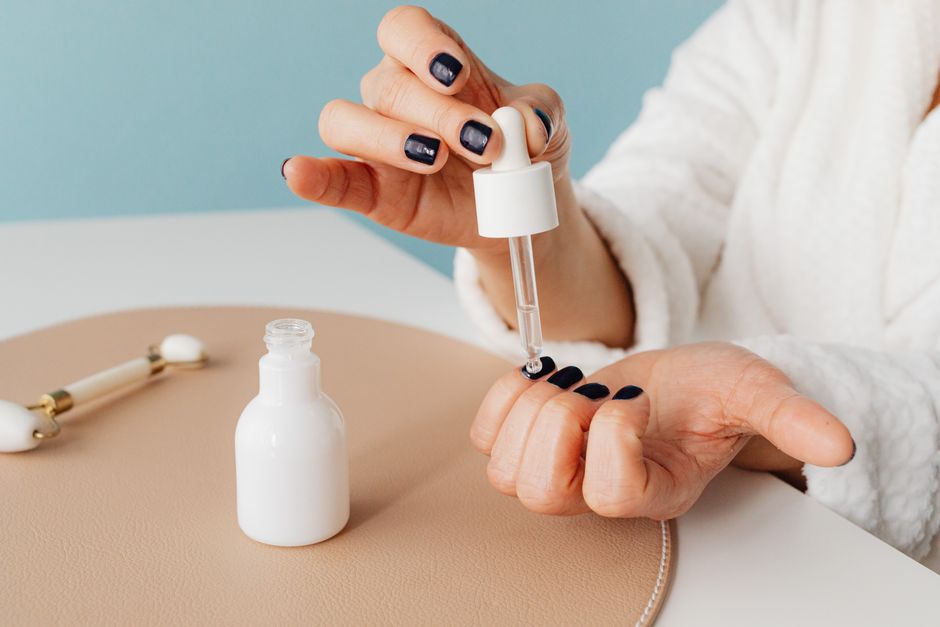
Keep the morning short. If your skin feels comfortable when you wake up, rinse with lukewarm water instead of using cleanser again. If you wake up oily or sweaty, use a small amount of a gentle, fragrance-free cleanser and rinse fully. Press a towel against the face; do not drag it across the cheeks.
| Step | Timing | What to do | Reason |
|---|---|---|---|
| Cleanse | 30–45 seconds | Use lukewarm water and a mild cleanser only where needed | Removes sweat without stripping the surface |
| Moisturize | Within 2 minutes | Apply a cream to slightly damp skin | Slows water loss before the skin dries |
| Protect | Before leaving home | Use broad-spectrum SPF 30 or higher | Winter ultraviolet exposure still reaches uncovered skin |
| Shield | Outside | Cover cheeks and lips in strong wind | Reduces cold-air exposure and chapping |
Night routine
Night is the best time to use your richest texture. Remove sunscreen and makeup with one gentle cleanse. Do not keep washing until the water runs perfectly clear; that habit often creates more dryness than the makeup does. Apply moisturizer to damp skin, then add a thin ointment layer over the corners of the nose, lips, and any cracked patches.
Use this routine for at least seven days before judging it. Skin often feels better within a few days, but visible flaking can take longer to settle. A bedroom humidifier can help when indoor heating runs all night, but clean it according to the manufacturer’s instructions so it does not blow dirty mist into the room.
If your skin still feels tight after every wash, the first change should be less cleansing, not a more expensive serum. Consistency beats intensity during a barrier repair phase.
Which barrier products are worth buying in 2026
My strongest recommendation is a plain cream with ceramides or petrolatum, not a crowded active-ingredient routine. You are buying a tool that reduces water loss and makes daily washing less disruptive. For a normal-to-dry face, the best value is CeraVe Hydrating Facial Cleanser at about $15 for 12 fl oz paired with CeraVe Moisturizing Cream at about $18 for 19 oz. The large tub costs less per ounce than most face creams, and the formula contains ceramides and hyaluronic acid without added fragrance.
Best daily face option for dry, sensitive skin
La Roche-Posay Toleriane Double Repair Face Moisturizer costs about $24 for 2.5 fl oz and suits people who want a lighter face cream than a body tub. It contains ceramides, glycerin, and niacinamide, so it gives a comfortable daytime finish under sunscreen. My pick for dry, sensitive skin is this moisturizer when a heavy ointment feels greasy or causes makeup to slide.
For very reactive skin, Vanicream Moisturizing Cream is the safer value at roughly $13 for 16 oz. It has a plain texture and skips fragrance, dyes, and several common irritants. It can feel thick on combination skin, but that is useful on cheeks, hands, and the neck during a cold snap. Choose Vanicream over a fragranced botanical cream when stinging matters more than a luxury feel.
Best rescue layer for cracks and raw patches
Aquaphor Healing Ointment costs about $10 for 1.75 oz and works as a final seal over moisturizer. It does not add water by itself, so apply it after cream rather than instead of cream. Use a rice-grain amount around the nose, on chapped lips, or over windburned cheekbones. My clear winner for overnight spot repair is Aquaphor because petrolatum slows water loss without asking a damaged barrier to tolerate a long list of extracts.
Do not buy the heaviest product just because your skin is dry. Skip an ointment across the entire face if you are prone to clogged pores, dislike shine, or live in a humid climate. A lighter cream used twice daily will beat a thick balm that you apply once and then abandon.
Five mistakes that keep a winter barrier damaged
Failure modes to remove first
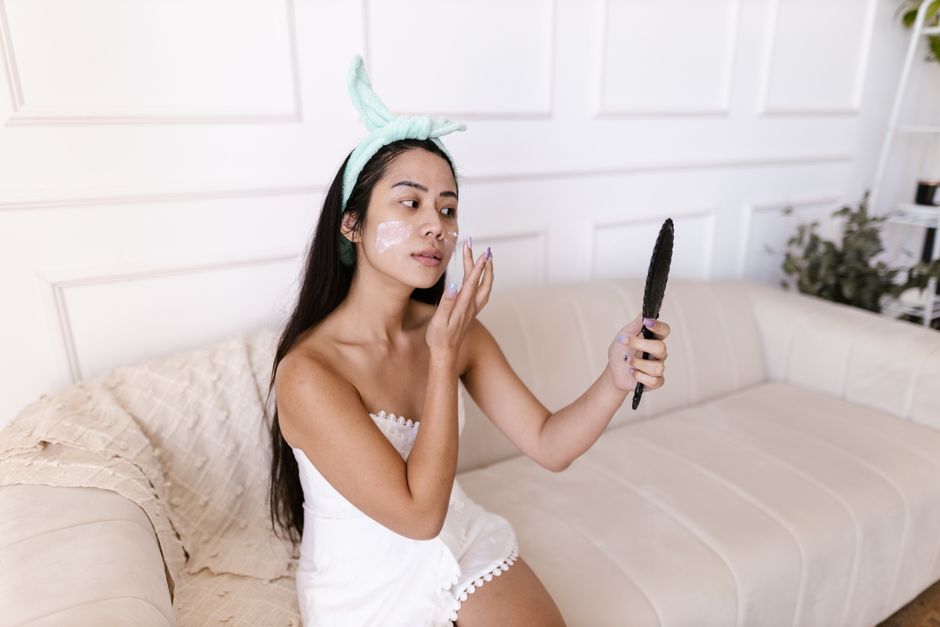
- Using hot water. Hot showers feel soothing, but they can leave the skin tighter once you step out. Turn the temperature down until the water feels warm rather than steamy.
- Exfoliating visible flakes. A scrub, cleansing brush, or frequent acid can remove the loose surface while worsening the irritation underneath. Pause exfoliation for one to two weeks when skin stings or cracks.
- Trusting unscented labels. Unscented can still mean a product contains odor-masking ingredients. Choose fragrance-free when possible, especially for the face and hands.
- Applying moisturizer too late. Waiting until skin feels completely dry gives the cream less water to hold on to. Apply within a couple of minutes after washing.
- Changing five products at once. If redness appears, you will not know which product caused it. Change one item, use it for several days, and keep the rest of the routine boring.
When home care has reached its limit
Persistent redness, intense itching, oozing, spreading rash, bleeding cracks, or pain deserves medical attention. Dry skin can overlap with eczema, contact dermatitis, rosacea, or an infection. Do not keep layering acids and oils over a rash that worsens.
Also stop using a product that burns every time you apply it. A brief tingle can come from some ingredients, but repeated burning is not proof that the formula is repairing your barrier. It is a reason to simplify and ask a dermatologist or pharmacist for help.
Verdict: The most expensive winter mistake is treating irritation as a challenge to add more actives. Remove the trigger, protect the surface, and escalate care when the skin keeps deteriorating.
How long barrier repair takes, and when to change course
How soon should tightness improve?
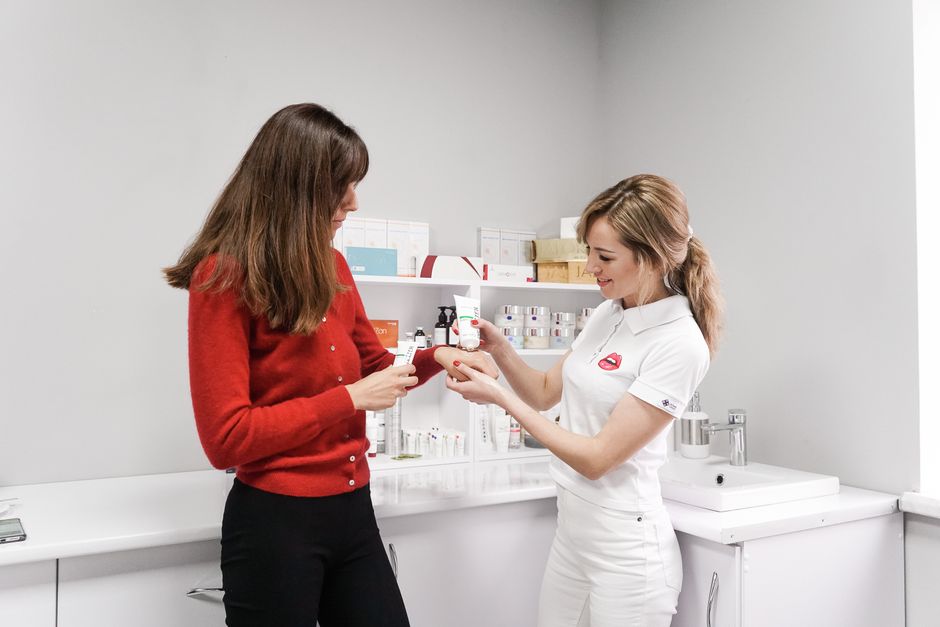
Most people should look for less tightness within several days after switching to lukewarm water, gentle cleansing, and regular cream. Flaking and rough texture may take one to three weeks. During that period, keep the routine stable. A new product every morning makes the skin harder to read and can restart the irritation cycle.
What should the 14-day plan look like?
For the first three days, stop scrubs, exfoliating acids, strong retinoids, and fragranced masks. Cleanse gently at night, moisturize morning and evening, and seal only the driest patches. From days four to ten, continue the same steps and add sunscreen each morning. From days eleven to fourteen, decide whether the skin feels comfortable enough to reintroduce one active product at a low frequency. If tightness returns, remove that active again.
Do not reintroduce everything because the skin looks better. A repaired barrier still needs protection from cold wind, dry indoor air, and long hot showers. Keep a basic cream in your bag, wear gloves outside, and apply lip balm before your lips start cracking.
The opening problem was not mysterious: heated rooms lowered the air’s moisture, hot water removed more of the skin’s protective oils, and the face began losing water faster. A short routine reverses those pressures. By the time winter’s coldest week arrives, your skin should feel less like tight paper and more like a protected surface that can handle the weather without a cabinet full of new products.